Thread 01 History of computing

Augmenting
human intellect

A computer can carry our words. Could it also help us think thoughts we could not think before?

Follow one strand of computing’s history: the dream of connecting knowledge, extending the mind, and making new kinds of understanding possible.

011930s–1940s

A world that thinks together

What if knowledge could become a shared human inheritance?

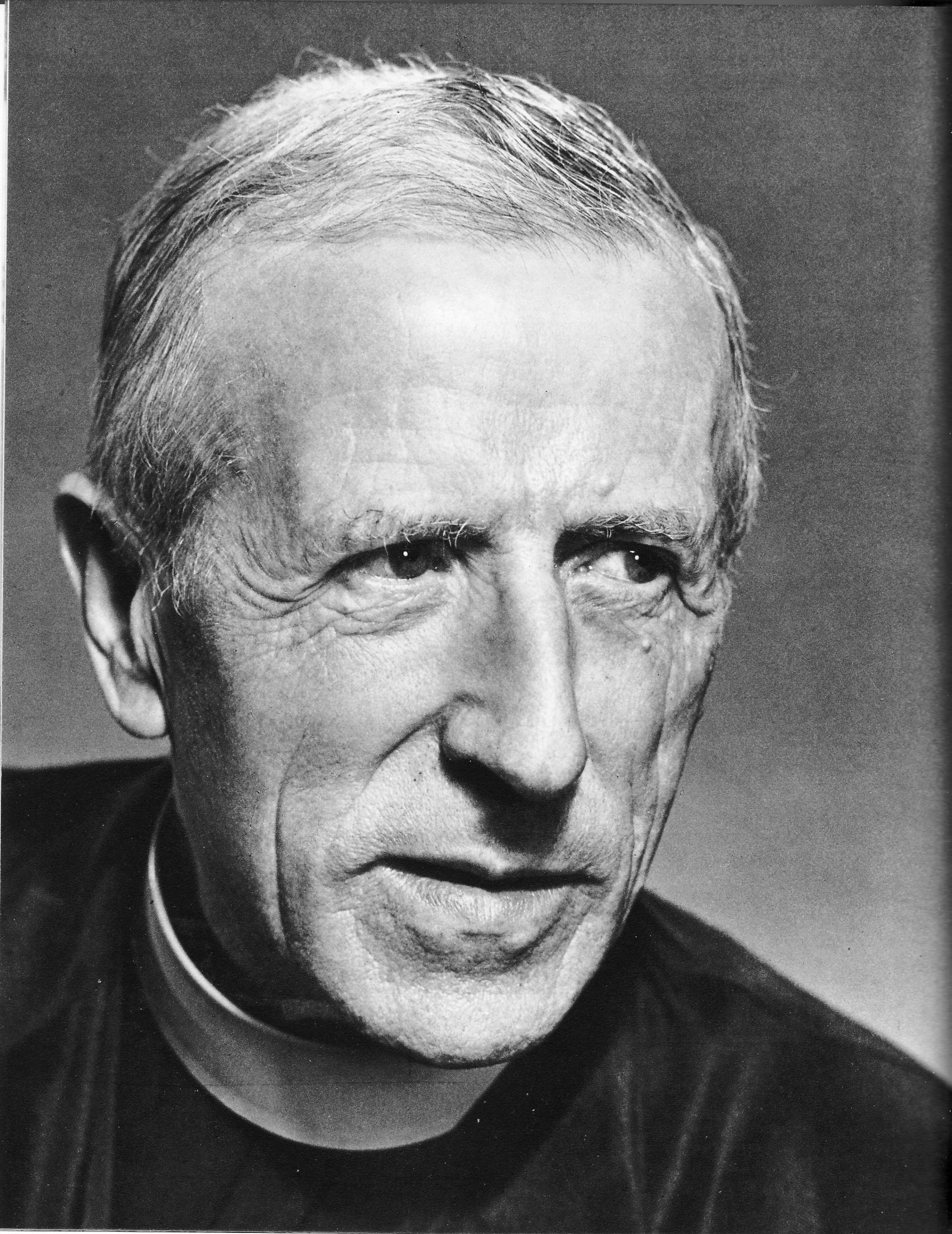
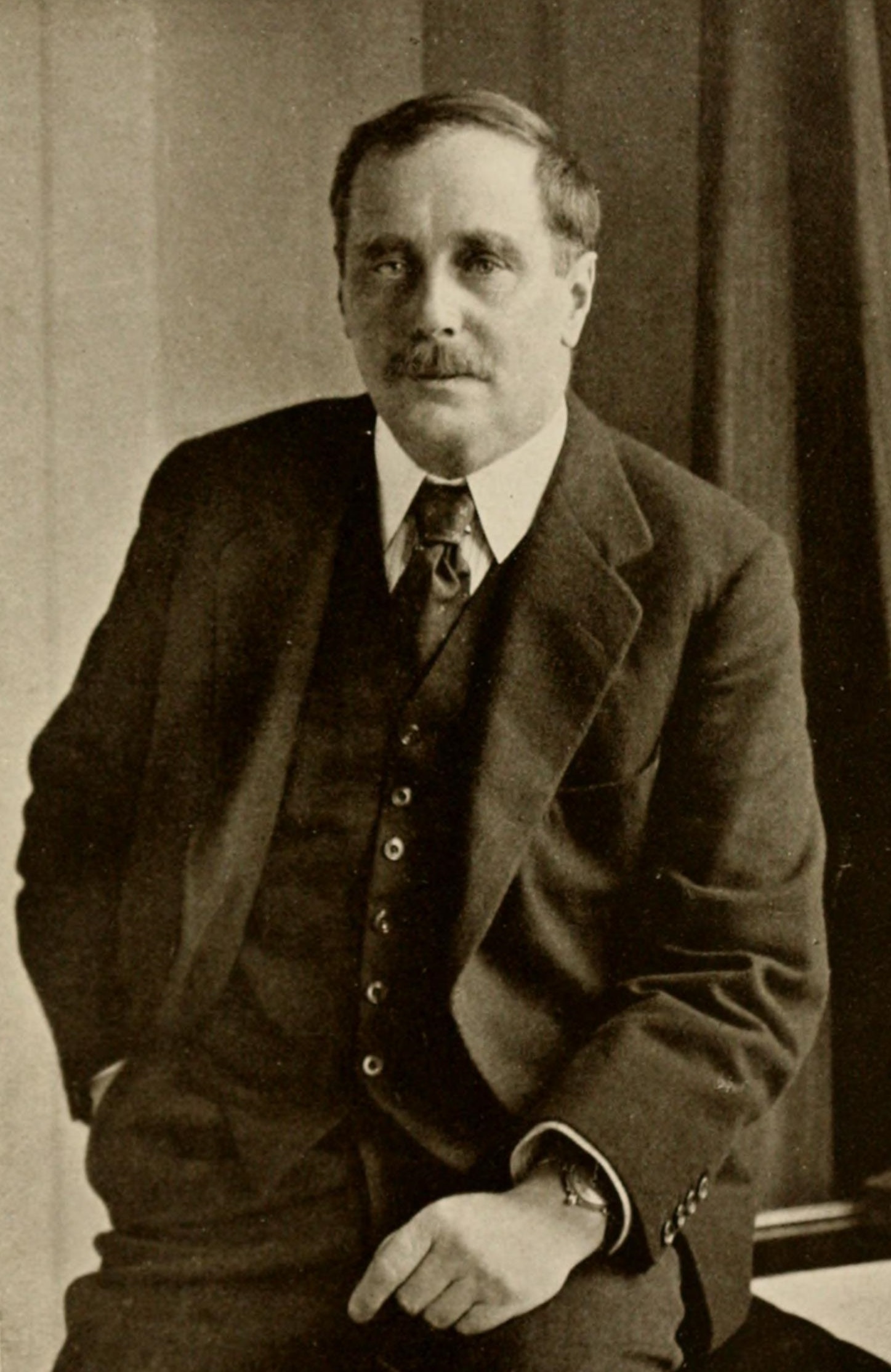
Before the personal computer, there was a much larger dream. H. G. Wells imagined a continually renewed world encyclopaedia: knowledge organised for everyone. Pierre Teilhard de Chardin described a noosphere, a planetary sphere of thought emerging from human life.

Wells offered a programme for education; Teilhard placed collective thought inside an evolutionary and theological vision. Reading them together opens the question that runs through this thread: what might people become capable of when their knowledge is connected?

Follow the thread

021945

Following an idea

How could a machine help us follow the associations in a mind?

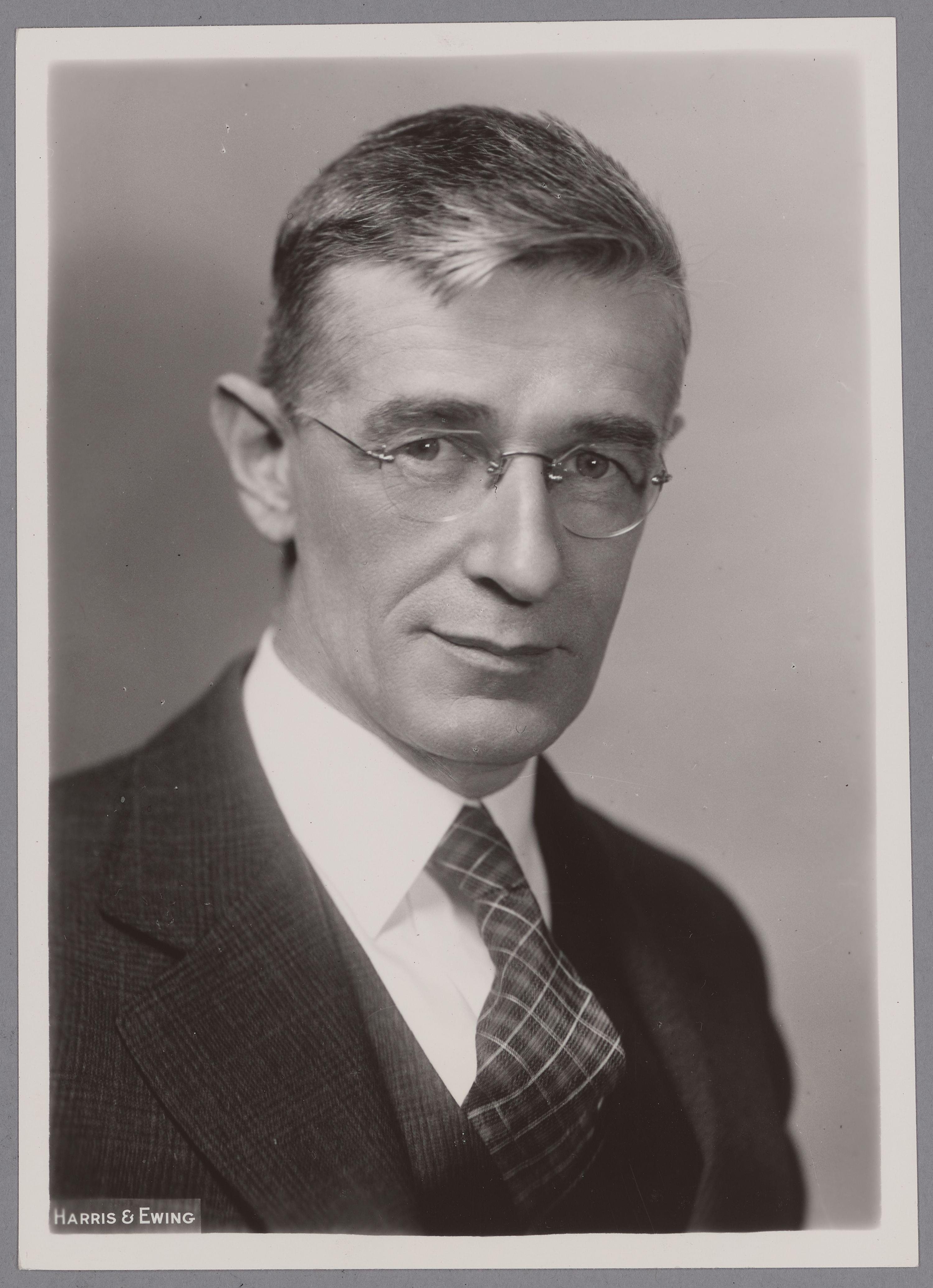
Vannevar Bush’s memex was an imagined desk for reading, annotating and joining records into trails. The interesting unit was the connection: one thought leading to another, a path another reader could follow and extend.

The World Brain asks how knowledge might be gathered. The memex brings the question to a person at a desk. A collection becomes useful when someone can find a way through it.

Follow the thread

031937–1948

Information takes form

What can a message become when it is expressed in bits?

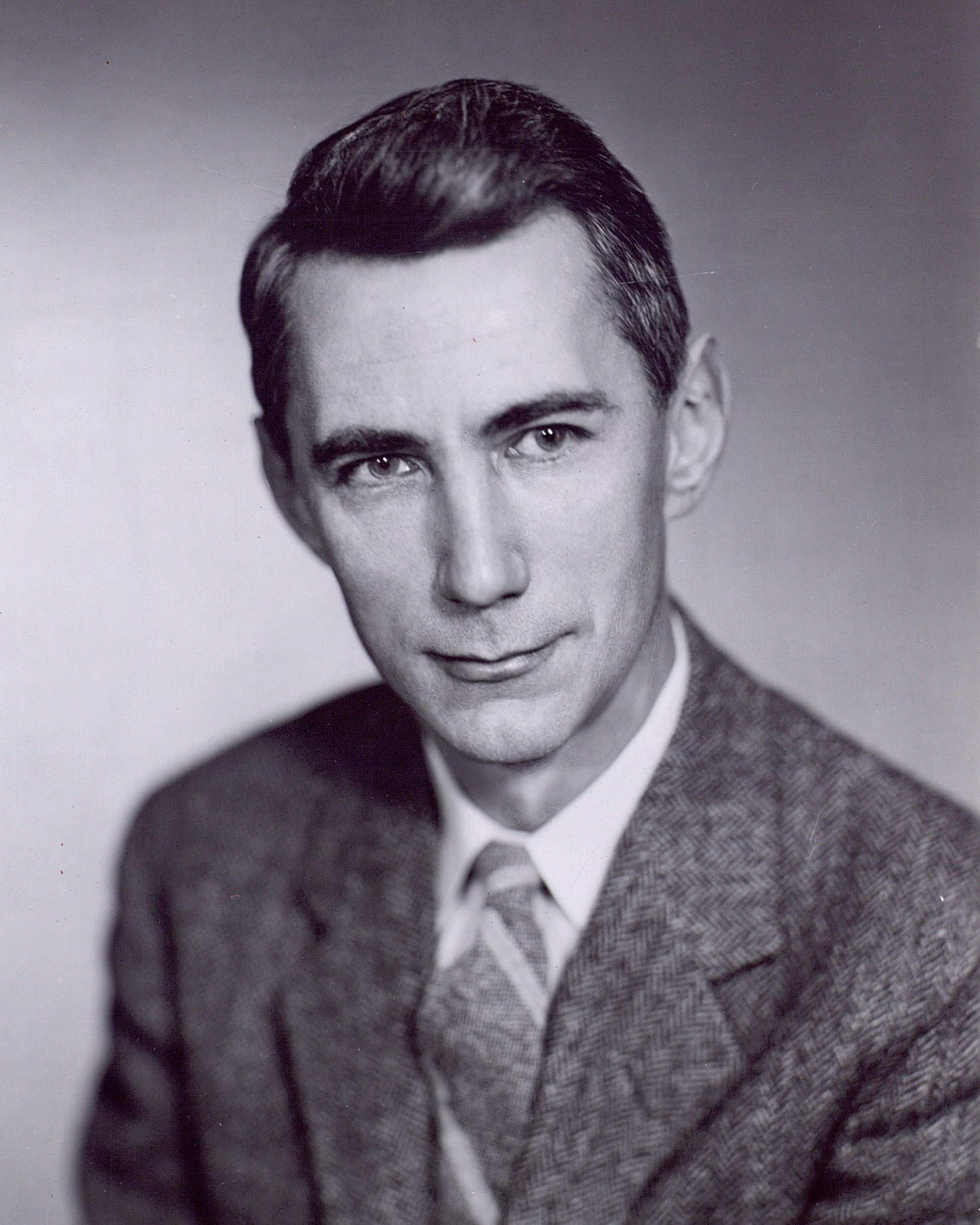
Claude Shannon connected Boolean logic to switching circuits, then gave communication a mathematical framework. His 1948 paper considered how messages could be encoded and recovered through channels, including noisy ones.

This is a foundation for carrying information, rather than a measure of its meaning. The distinction matters: transmitting a library and understanding it are different achievements. The next question belongs to the people using the machine.

Follow the thread

041962–1968

Augmenting the human

What if the computer helped a group become better at thinking?

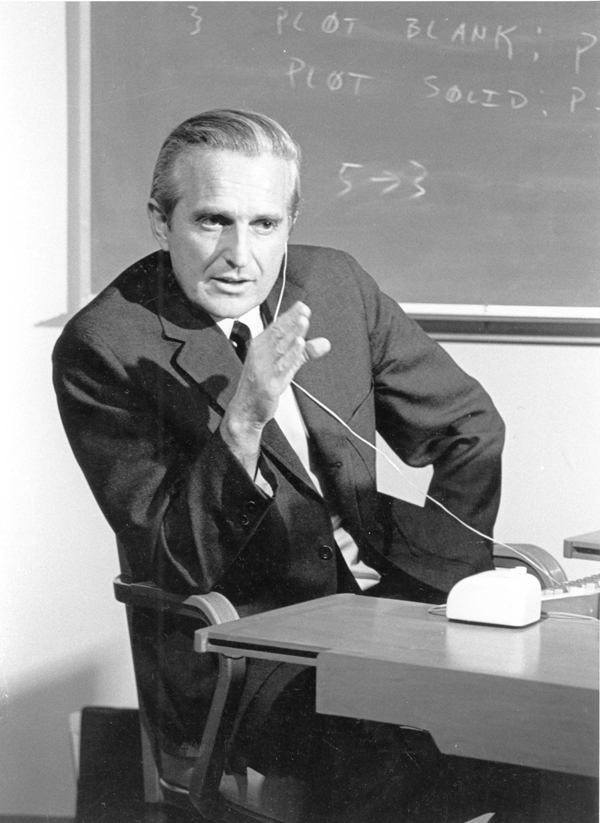
Douglas Engelbart approached computing as a way to improve human problem-solving. His 1962 framework joined tools with language, methods and training. Changing the machine was one part of changing how people could work together.

In 1968, Engelbart and his collaborators demonstrated NLS: text could be edited, linked and navigated while people worked across a shared system. The mouse was an instrument inside a larger ambition—improving our capacity to tackle difficult problems.

Follow the thread

051960s–1980s

Learning by making

What could a child think with a medium they could change?

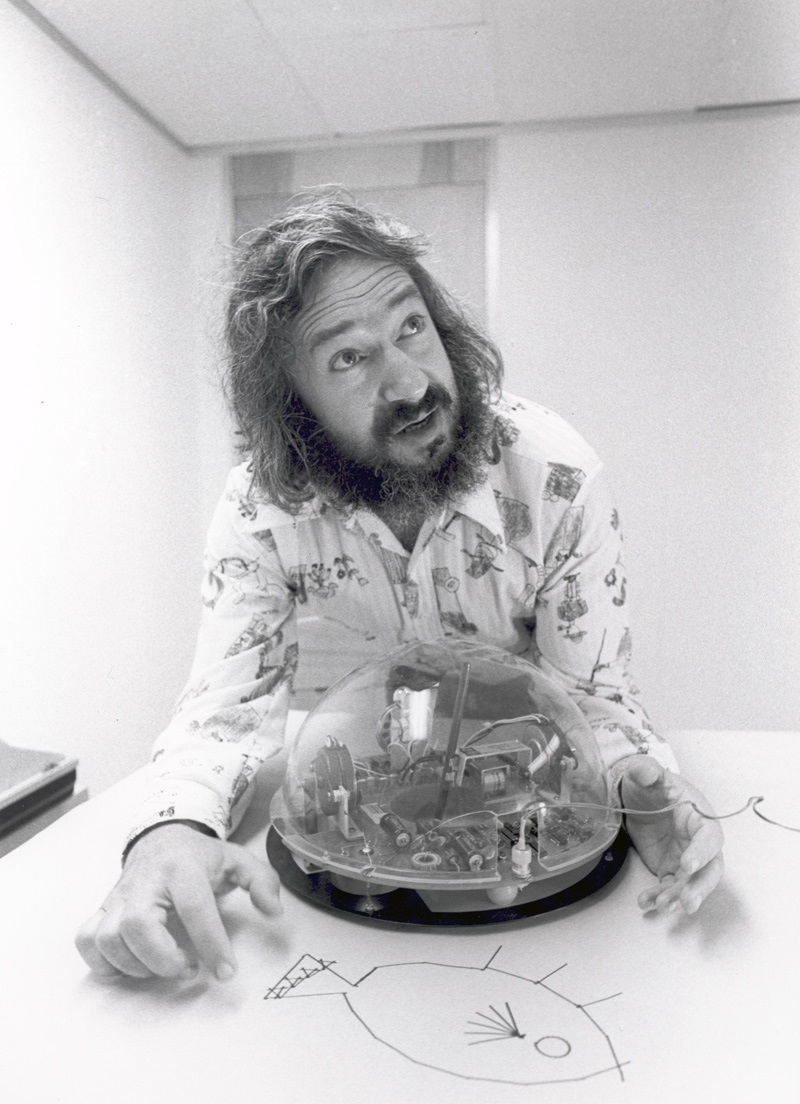
Seymour Papert made programming a material for learning. With Logo, children could give a turtle instructions, see what happened, and revise their ideas. Cynthia Solomon and Wally Feurzeig belong in the story of the language’s development.

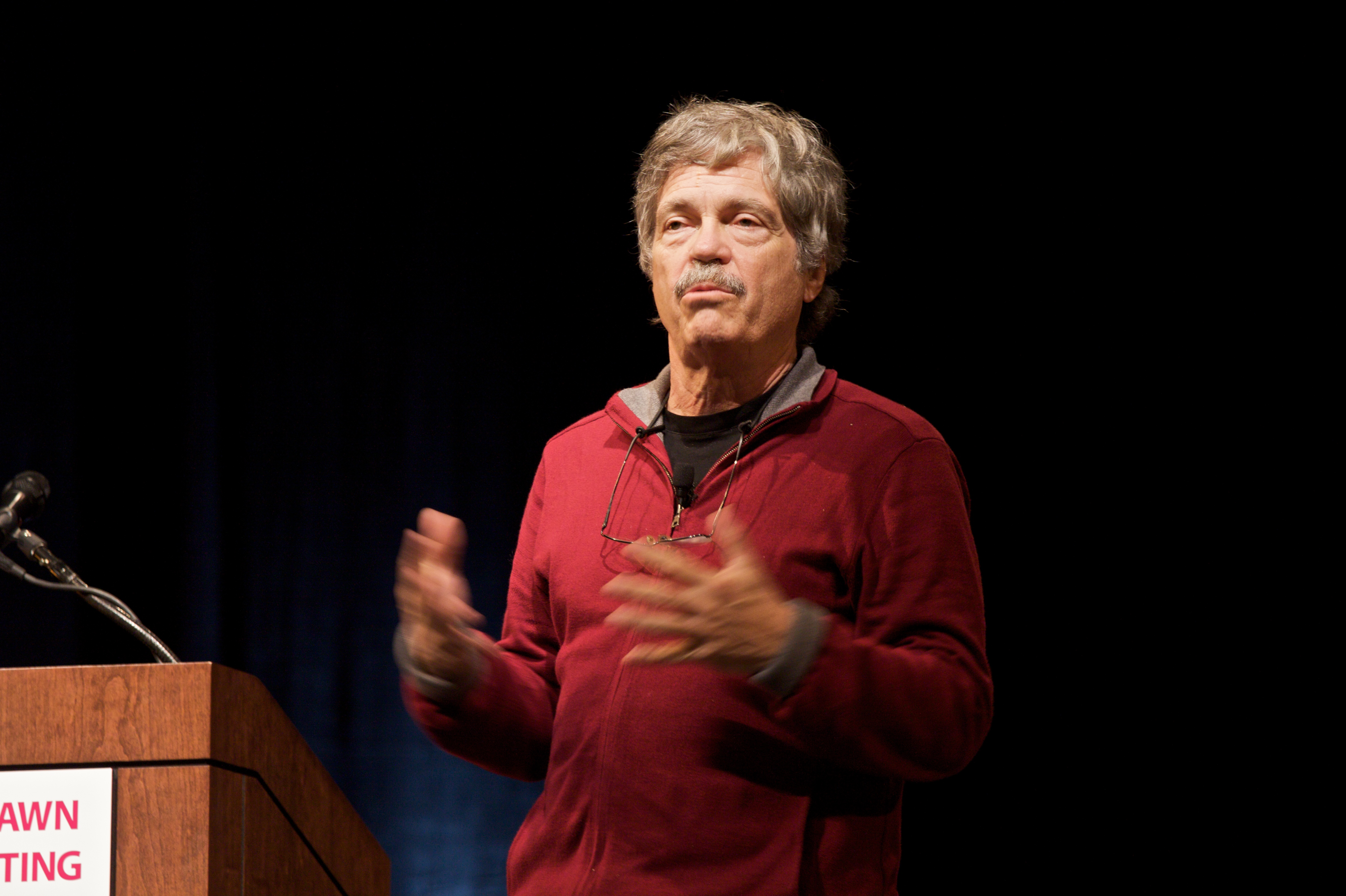
Alan Kay’s Dynabook imagined a personal medium for reading, drawing, simulating and composing. His work with the Learning Research Group at Xerox PARC helped turn that ambition into Smalltalk and interactive environments. Both invite the learner to become an author.

Follow the thread

061984–1987

A medium of your own

What changes when everyone can make their own tools?

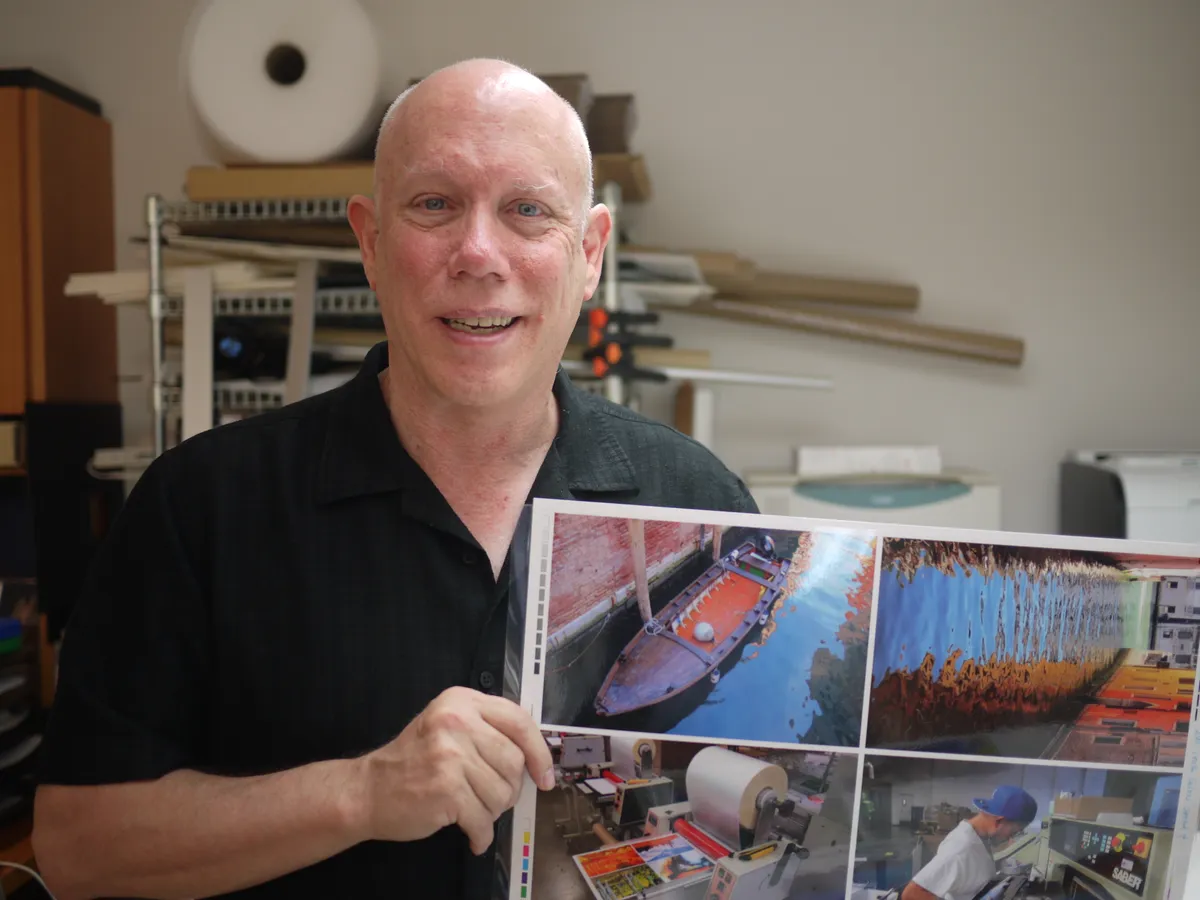
Bill Atkinson gave creative ambitions a practical surface. QuickDraw made the Macintosh’s graphics possible; MacPaint invited people to draw. HyperCard went further, letting readers become authors of interactive stacks containing pictures, text, buttons and links.

With Dan Winkler’s HyperTalk, those stacks could respond to their users. Atkinson belongs here as a bridge from the personal medium imagined by Kay to the question that still animates tools for thought: how much of our computing environment can we make for ourselves?

Follow the thread

072012–present

The inquiry continues

Which parts of the dream are still waiting to be made?

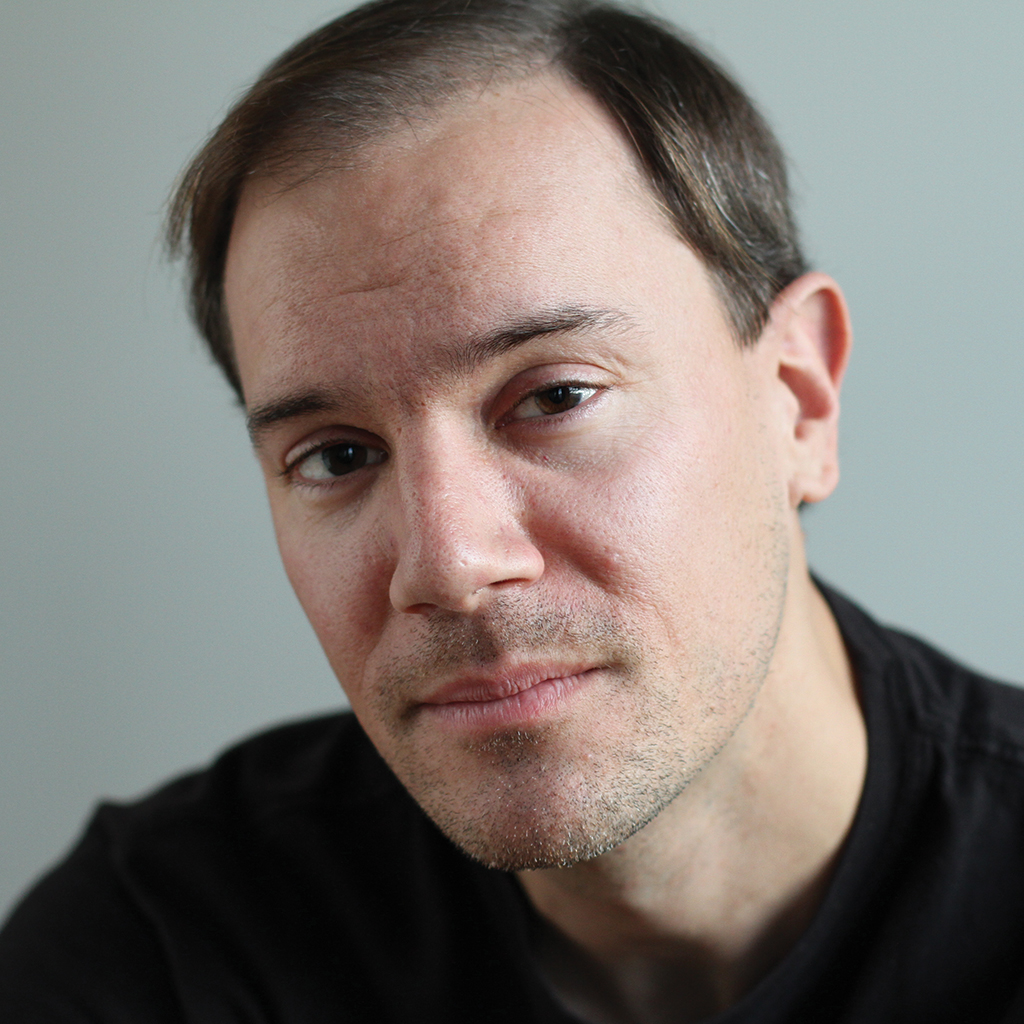
Bret Victor’s essays and demonstrations ask for representations people can see, manipulate and understand. His work with Dynamicland carries that investigation into a shared physical environment.

Andy Matuschak explores how a medium can help people understand, remember and use what they read. With Michael Nielsen, he made Quantum Country and argued for renewed experiments in tools for thought. These are invitations to participate in an unfinished inquiry. A reader can become a maker.

A thread can branch

Where an idea leads

This is a thematic reading journey through selected lives, with room for parallel histories, collaborators and disagreements.

Living inside our mediaMeet Marshall McLuhan and ask how a medium changes its users.From trails to a webTim Berners-Lee’s 1989 proposal turns linked information toward the needs of a changing organisation.Meet the rest of the luminariesKeep following your curiosity.