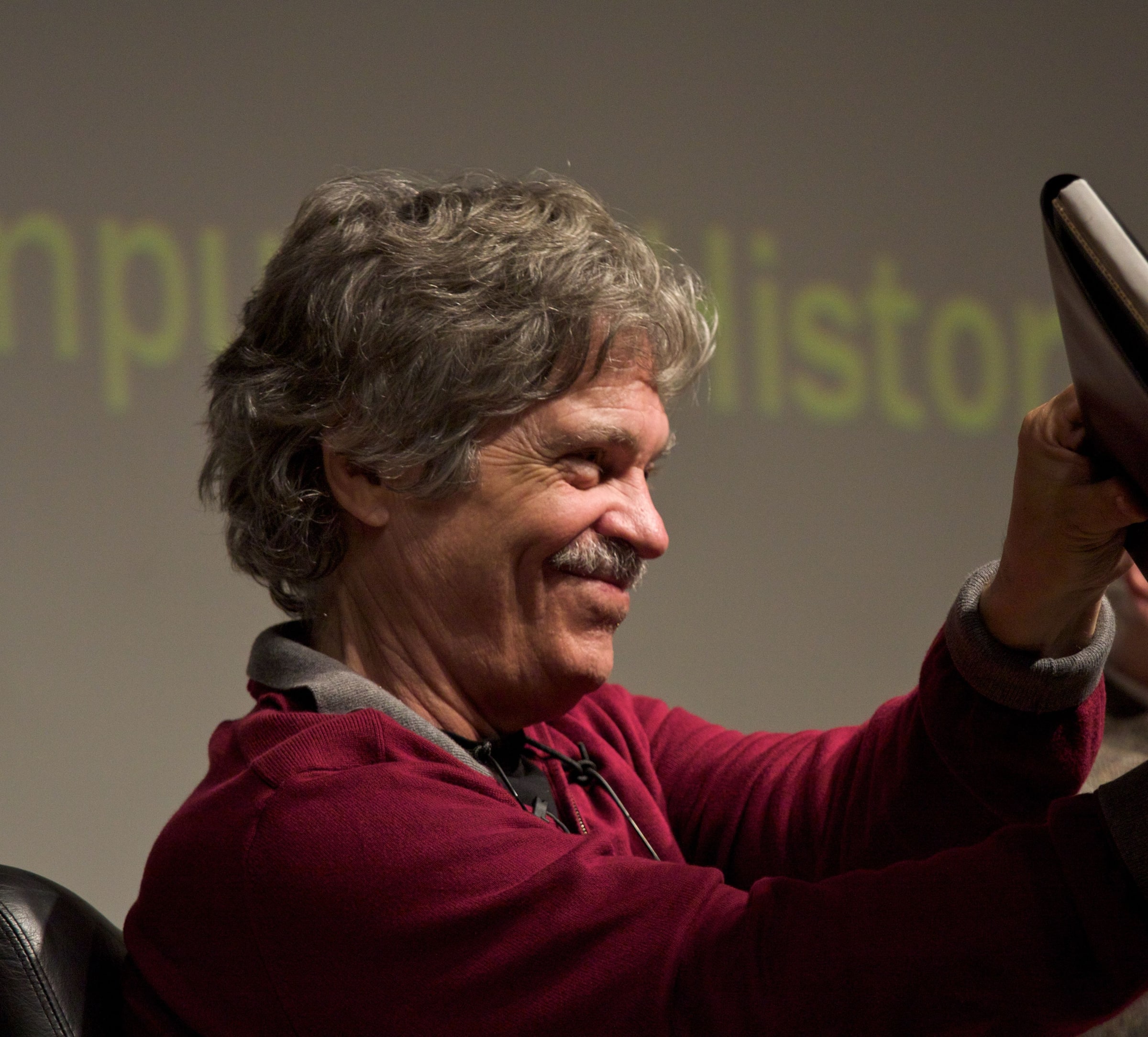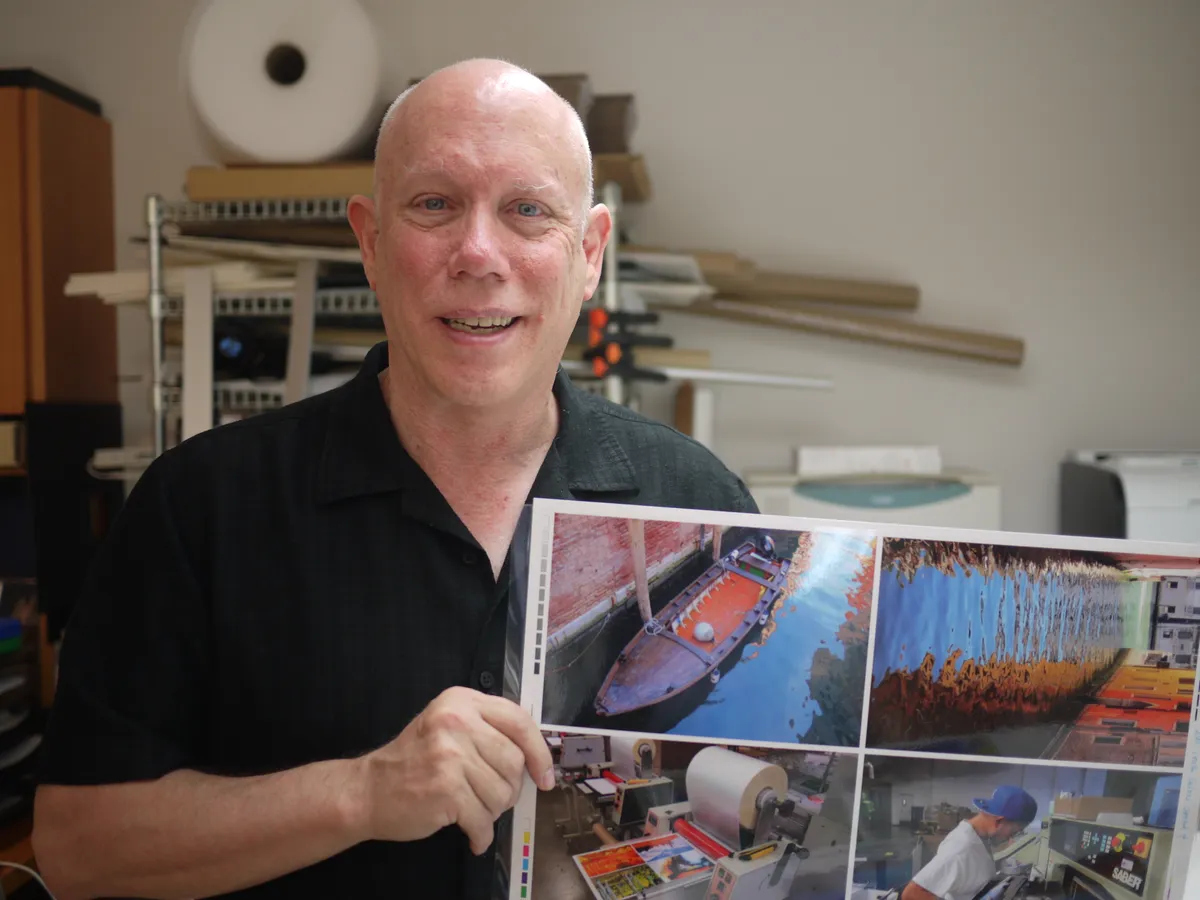
Bill Atkinson holding a sheet of photographic prints in his studio.

Bill Atkinson

Pixel Engineer Turned Photographer

He quit neuroscience for Apple, wrote the graphics that drew the Mac, gave everyone MacPaint, traced HyperCard to an LSD night on a park bench, then photographed polished stone.

Region Clipping
Clips drawing to any shape, fast, with QuickDraw’s regions.
Lasso & Bucket
Hands MacPaint users a lasso, a paint bucket and raw pixels.
HyperCard
Lets anyone wire cards, buttons and links into a stack of their own.
Bill Atkinson

Software Designer & Nature Photographer

History of computing · A medium of your own Start hereJoining Apple ComputerStart here for Atkinson’s own account of the decisions and collaborators behind QuickDraw, MacPaint and HyperCard, including Dan Winkler’s work on HyperTalk. It is vivid first-person testimony; the museum histories alongside it supply the wider record.Read his story

Explore Bill Atkinson’s QuickDraw, MacPaint and HyperCard, and the photographic work that followed.

1978

From studying minds to making tools

Atkinson left graduate research in neuroscience to join Apple in 1978. Jef Raskin encouraged the visit; Steve Jobs persuaded him that he could help shape what computers would become.

His recollection makes the engineering concrete: UCSD Pascal helped bootstrap Lisa development; a mouse shipped with every Lisa so software could depend on pointing; a white bitmap screen made images printable without inversion. Read it as testimony, then use the museum histories to widen the view.

Joining Apple ComputerStart here for Atkinson’s own account of the decisions and collaborators behind QuickDraw, MacPaint and HyperCard, including Dan Winkler’s work on HyperTalk. It is vivid first-person testimony; the museum histories alongside it supply the wider record.Read his story
1987

The reader becomes the author

HyperCard let people assemble text, pictures, buttons and links into interactive stacks. Dan Winkler’s HyperTalk gave those objects behaviour through a comparatively approachable scripting language.

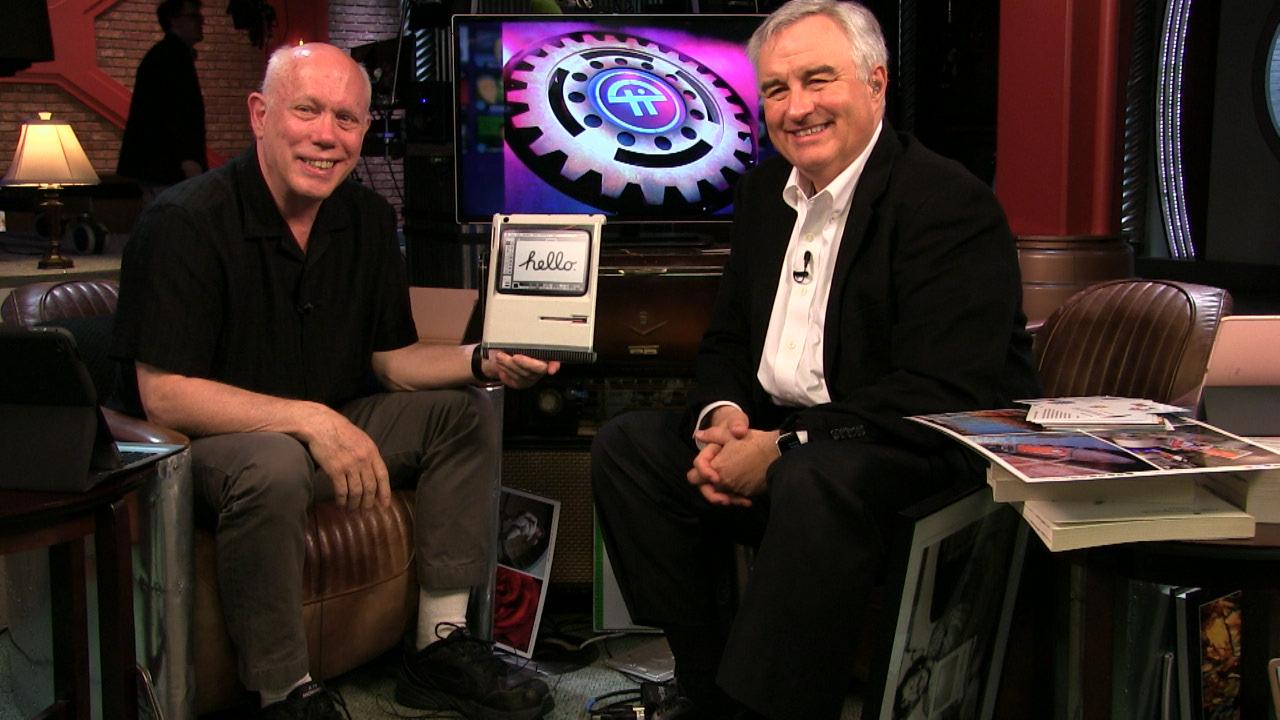
Atkinson’s own account, as told to Leo Laporte and published by Mondo 2000 in 2018, traces the idea to 1985, when he took a medium dose of LSD and spent most of the night on a concrete park bench outside his home in Los Gatos. The street lamps below, each casting a pool of light with darkness before the next, reminded him of separate bodies of knowledge; he called that “the underlying inspiration for HyperCard.”

Here the thread becomes tangible: a person could organise a subject, connect its parts and build a small world for someone else to explore. HyperCard made authoring an everyday possibility.

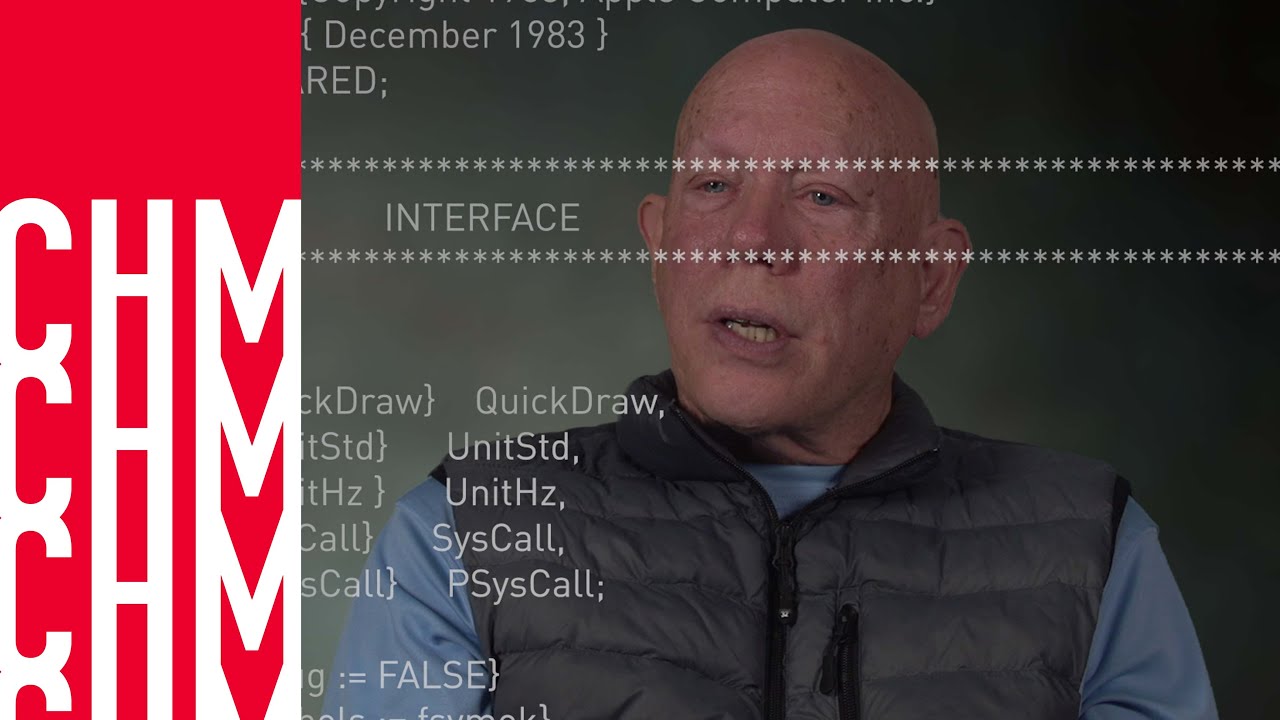
Bill Atkinson speaks into a microphone while holding a photographic print.

Bookshelf

In his own words

Inside the craft

Explore his photography

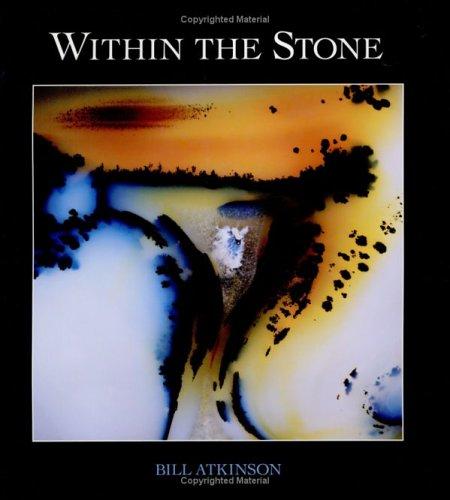
Photography