The computer acquires a face
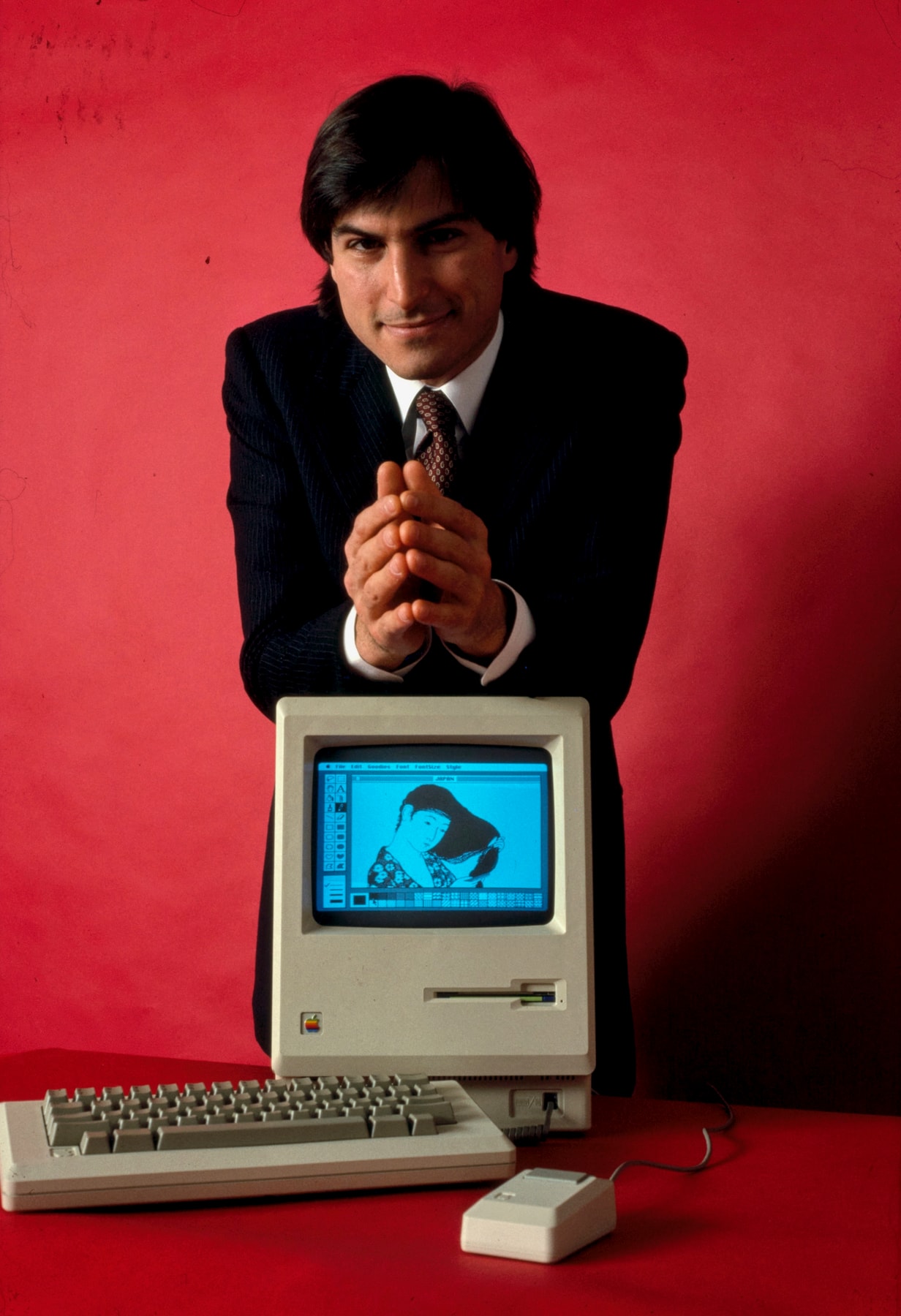
Apple II carried the company beyond its first circle of enthusiasts. Jobs’s next great fixation was the Macintosh, a project begun by Jef Raskin whose leadership he took over in 1981. The graphical systems he had seen at Xerox PARC suggested that a computer could be approached through pictures, windows and a mouse, rather than memorised commands.
In 1978 his girlfriend Chrisann Brennan gave birth to their daughter, Lisa. Jobs denied he was the father, swore in a court filing that he was “sterile and infertile” and refused to pay child support; a blood test the following year put the probability of his paternity at 94.1 per cent, and a court ordered him to pay. As late as 1983 he told Time that “28% of the male population of the United States could be the father.” He acknowledged Lisa years later, and she came to live with him.
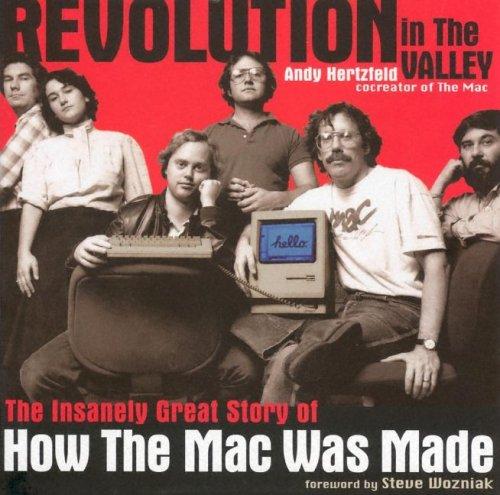
Making that promise tangible took Burrell Smith’s hardware, Susan Kare’s icons, Bill Atkinson’s graphics, Andy Hertzfeld’s system software, Joanna Hoffman’s product work and many others. Hertzfeld recalls Jobs taking the team to a Louis Comfort Tiffany exhibition and having them sign the inside of the Mac’s case: a manufactured object could still bear its makers’ pride.
The Macintosh shipped in 1984. Its clarity concealed years of experiments, arguments and punishing deadlines. Hertzfeld’s accounts capture both the group’s irreverent excitement and Jobs’s habit of insisting on schedules his engineers knew were unrealistic. After a struggle with Apple’s leadership, Jobs left in 1985; the company he had helped build was continuing without him.