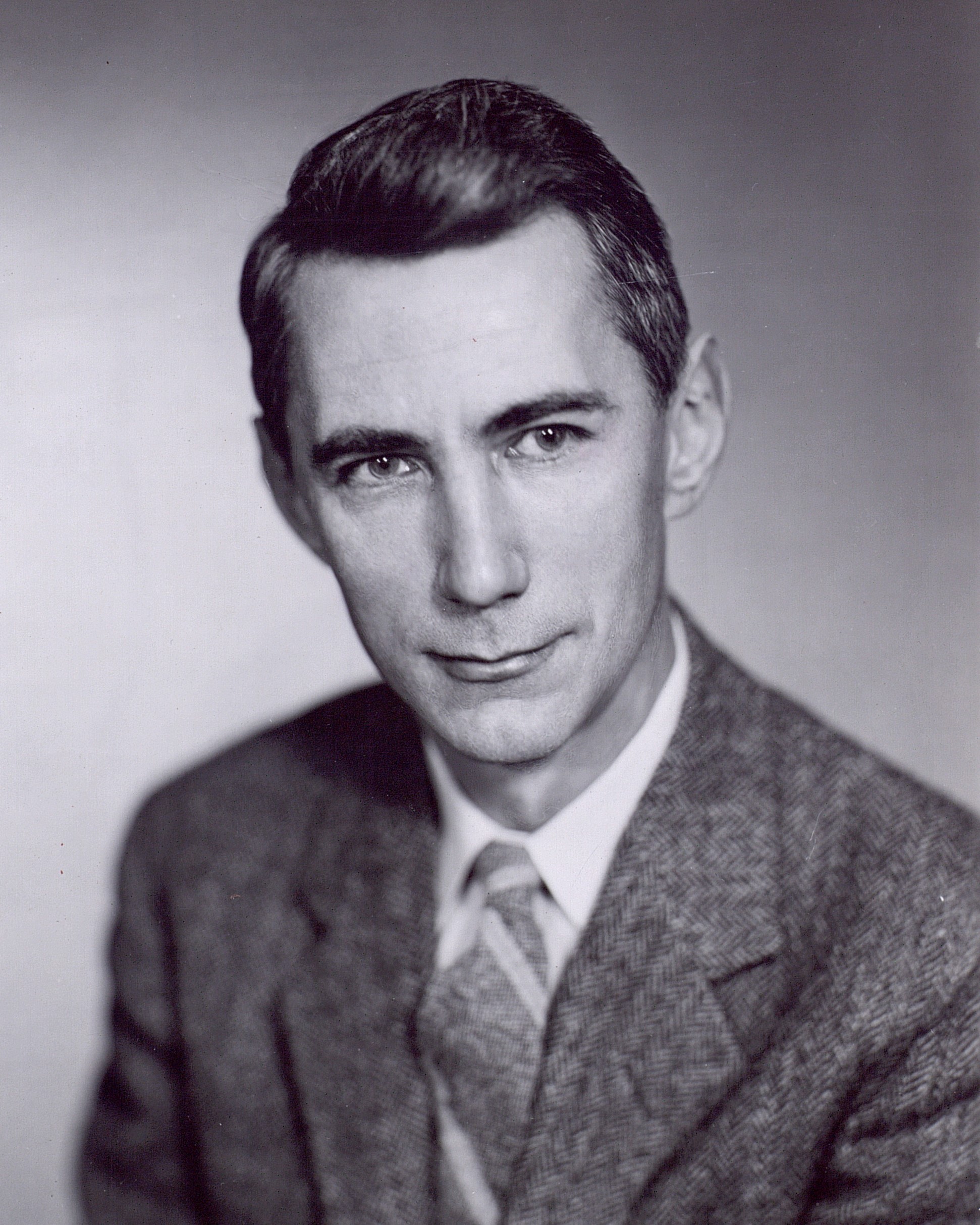
Portrait of Claude Shannon.

Claude Shannon

Juggler of Information

His master’s thesis turned Boolean logic into circuitry; his 1948 paper made information measurable. He also built a maze-solving mouse and juggling machines.

Boolean Circuits
Simplifies the algebra first, then wires fewer relays.
Channel Capacity
Calculates exactly how much message can survive the noise.
Theseus
Builds a mechanical mouse that learns its way through a maze.

Claude Shannon

Mathematician & Information Theorist

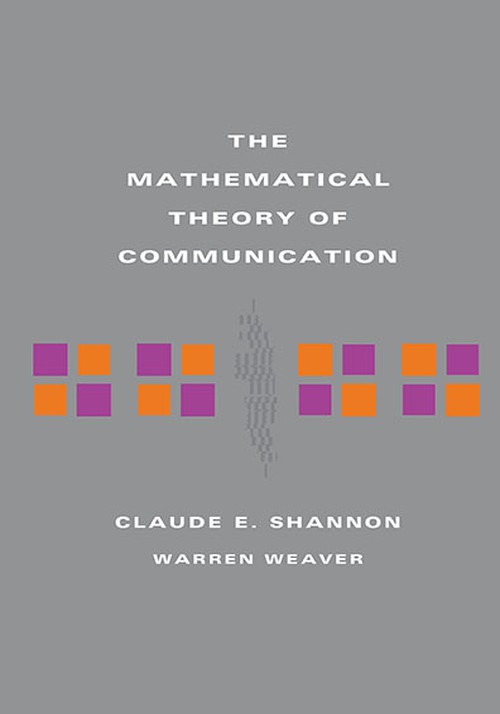
History of computing · Information takes form Start hereA Mathematical Theory of CommunicationStart with the introduction, where Shannon deliberately brackets meaning to define a tractable engineering problem. That distinction prevents “information” here from being mistaken for knowledge or significance.Read the PDF

Claude Shannon found two unusually durable abstractions: Boolean algebra for relay circuits and information as a measurable engineering quantity. His career joined exact mathematics to a workshop culture of mazes, chess machines and juggling devices.

1916–1936

Mathematics meets machinery

Shannon grew up in Gaylord, Michigan, making radios and other devices, then studied both electrical engineering and mathematics at the University of Michigan. One discipline dealt in physical circuits, the other in symbolic rules; his graduate work brought them into the same room.

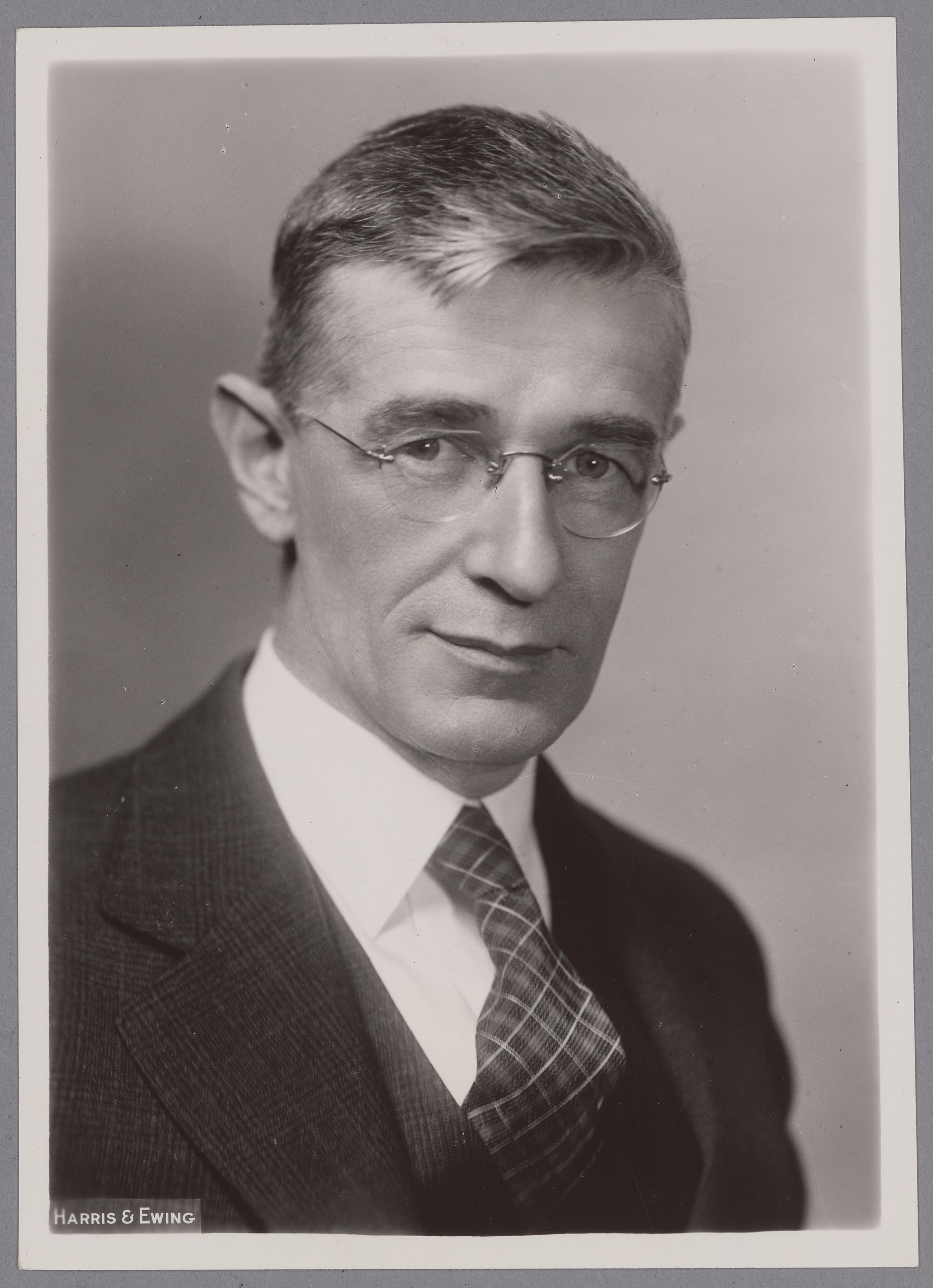
At MIT he worked as a research assistant on Vannevar Bush’s differential analyzer. Its wheels and shafts calculated with continuously changing quantities, while relays helped govern the machine. The problems Shannon saw in those switching arrangements became the subject of his master’s thesis.

1937

Logic becomes a circuit

A Symbolic Analysis of Relay and Switching Circuits gives each relay contact a symbol and translates arrangements of contacts into an algebra of open and closed states. An expression can then be simplified before a circuit is wired. The thesis also works in the other direction: start with the behaviour wanted, derive an expression, and design a switching network that realises it.

The distinction matters. Shannon did not invent Boolean logic or the relay; he showed engineers how to use one to analyse and synthesise the other. In the thesis, an abstract identity becomes a way to reduce contacts in an actual machine. Read a few of its circuit diagrams alongside the algebra to see the method at work.

A Symbolic Analysis of Relay and Switching CircuitsBoolean algebra becomes a way to reason about electrical switching.Read the thesis PDF
1950–2001

Machines made for curiosity

Shannon kept turning formal questions into visible mechanisms. His chess work set out ways a program could examine possible moves and evaluate positions; it was a proposal for programming, not a claim that he had made a champion computer player. Theseus, the electromechanical mouse, explored a maze and used what it had learned to take a direct route on a later run.

The playful machines did experimental work too. A route learned by trial and error or a chess choice made by a rule lets an observer ask what “learning” or “strategy” means in a particular mechanism. The MIT Museum preserves Theseus and other devices, including Shannon’s Nim-playing and juggling machines.

Shannon joined MIT’s faculty in 1956 while retaining his Bell Labs connection. He died in 2001. Begin with the 1948 paper for the communication problem, then turn back to the 1937 thesis and the machines: each makes a different relationship between an idea and a working device visible.

A small mouse sits among the adjustable metal walls of Shannon’s Theseus maze.
A wooden Nim-playing machine with numbered controls and winner lights.
A mechanical figure juggles balls above a drum-shaped bouncing surface.

Bookshelf

Papers & theses

Machines & experiments