Computing before the screen
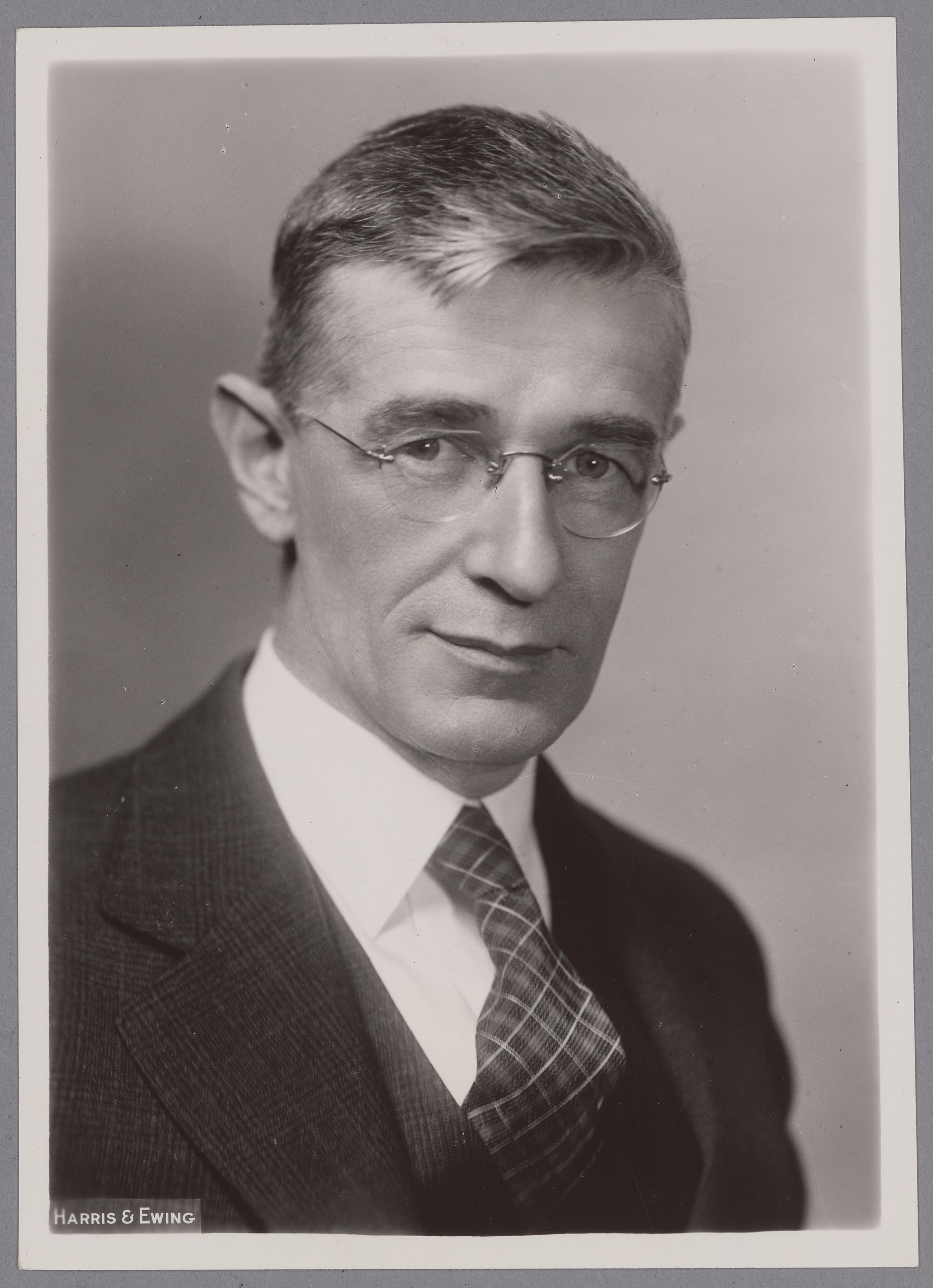
Bush studied engineering at Tufts and returned to MIT in 1919 to teach electrical power transmission. The equations describing a power network were laborious to solve by hand. That difficulty made an instrument for working through them more than a mathematical curiosity.
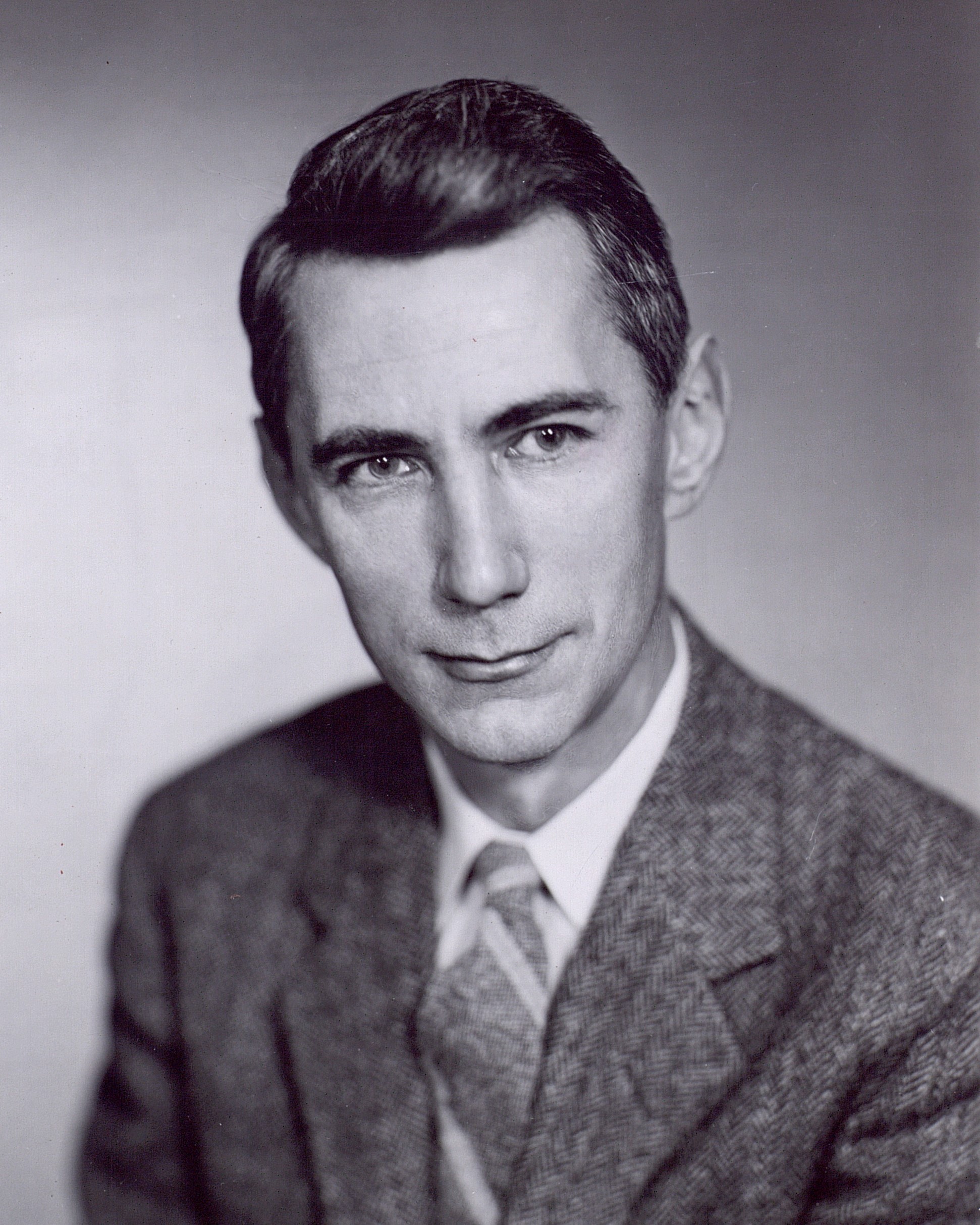
At MIT, Bush and colleagues built the differential analyzer around rotating shafts and wheel-and-disc integrators. Harold Hazen began the project as Bush’s student; setting up a new problem required skilled hands to connect the machine’s parts. It found uses beyond electrical networks, in physics and ballistics. Claude Shannon later worked with the analyzer as a graduate student, bringing another kind of mathematics to its relay controls.
Bush left MIT leadership for the Carnegie Institution in 1938 and, during the war, directed the Office of Scientific Research and Development. The change from building a machine with colleagues to coordinating laboratories across the country gave his later question a practical edge: how could specialised knowledge be found and used by other people?