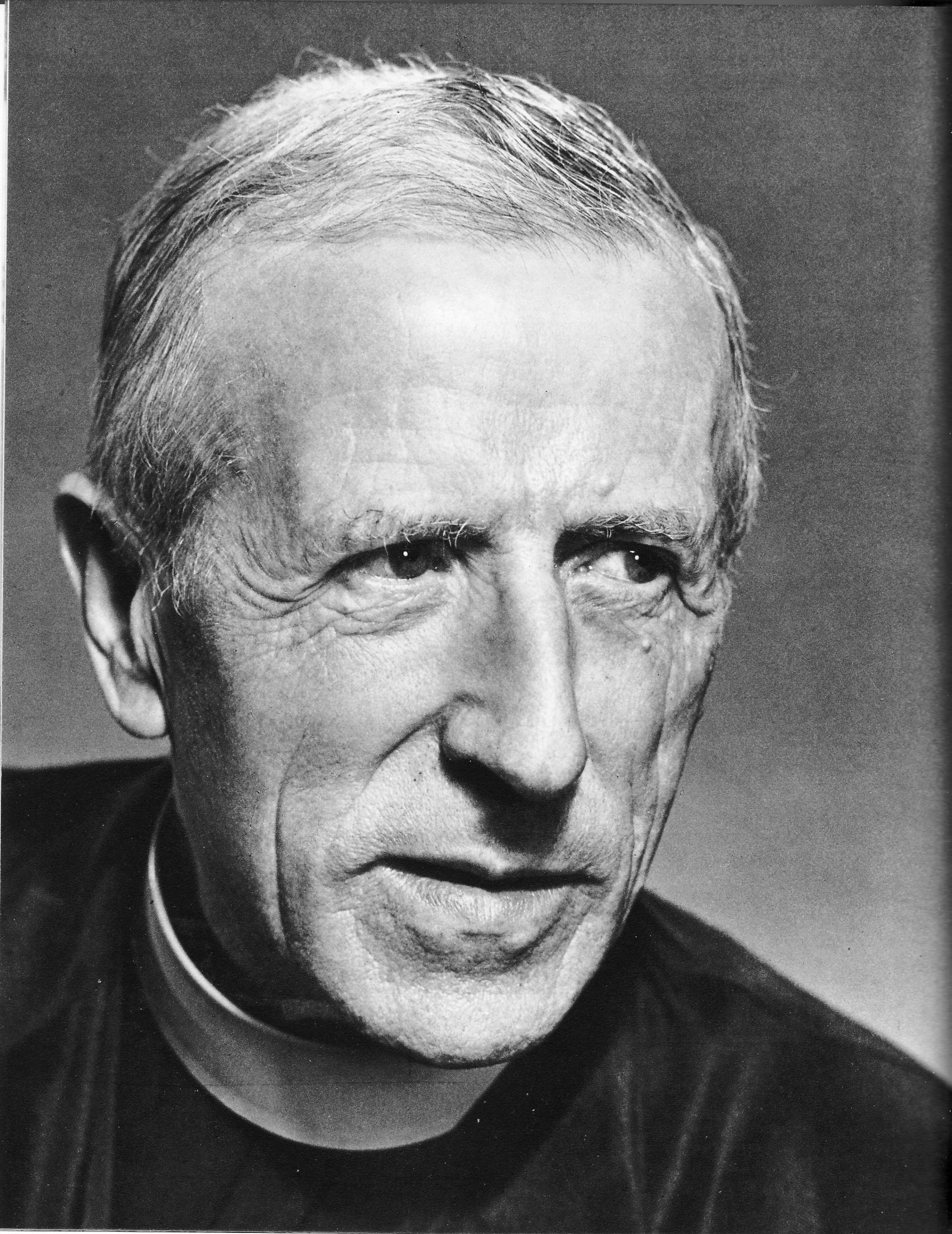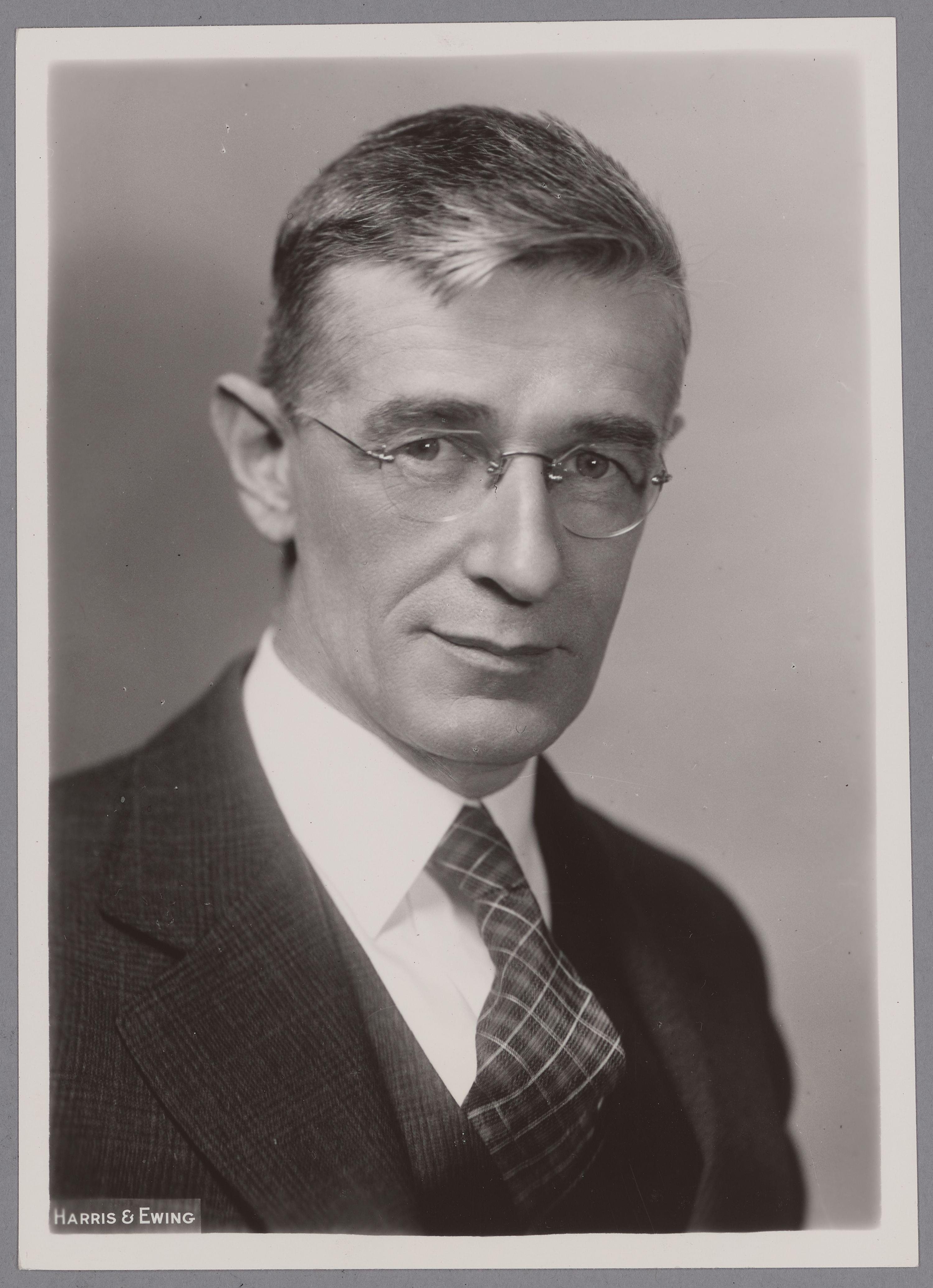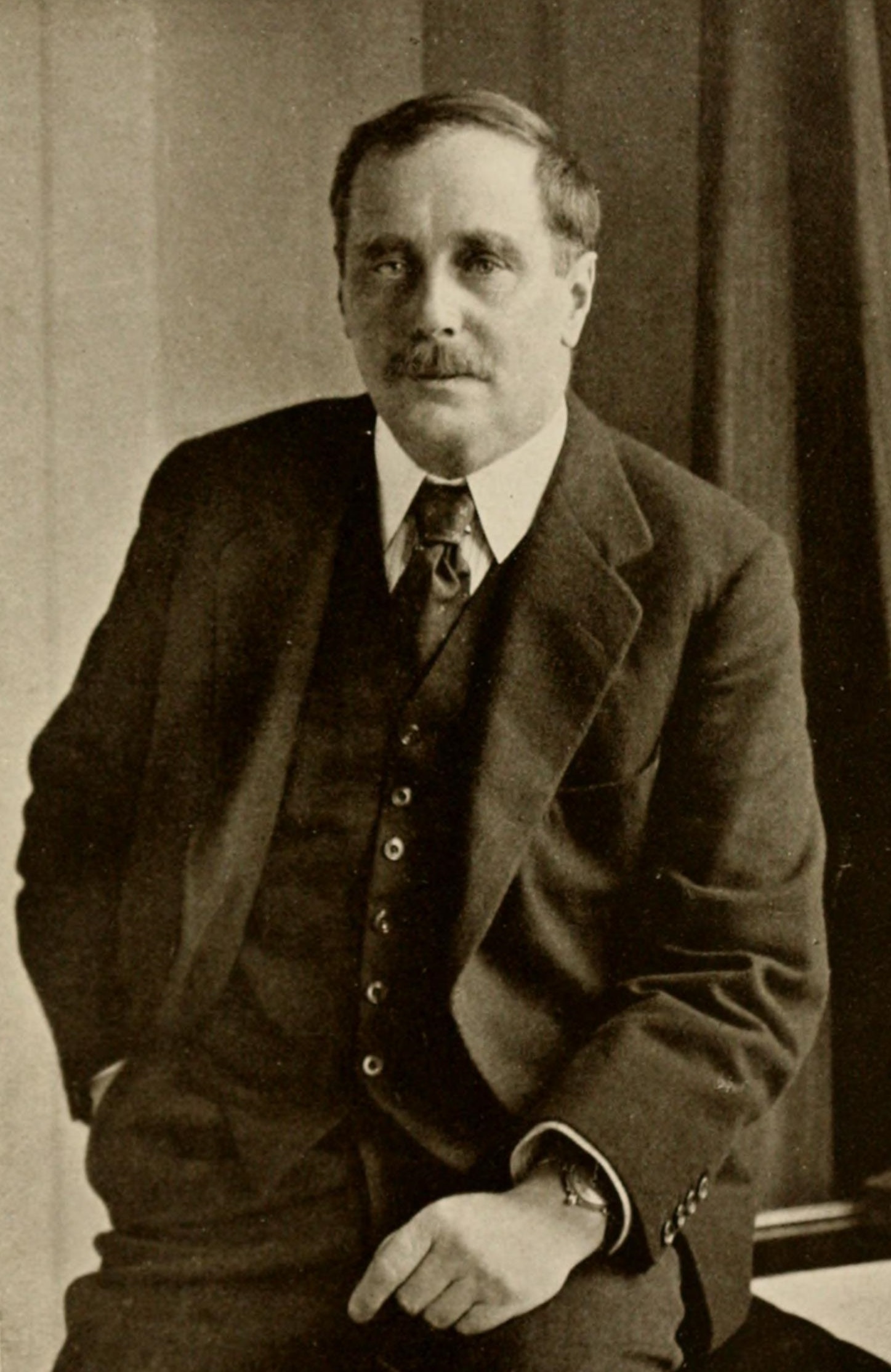
Portrait of H. G. Wells.

H. G. Wells

Cartographer of Futures

A novelist who used imagined worlds to question his own. Beyond time machines and invaders, he dreamed of knowledge held in common.

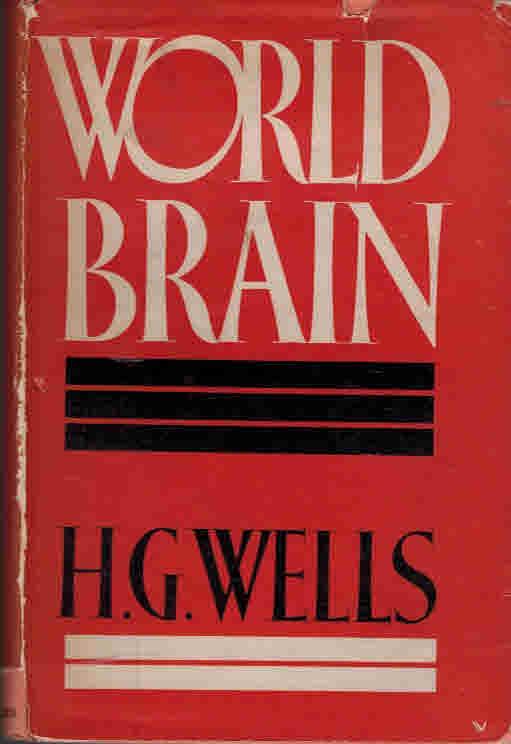
World Brain
Imagines a shared reference work for humanity.
Time Machine
Makes the future a place to question the present.
Possible Worlds
Turns a story into a social thought experiment.
18661946
H. G. Wells

Novelist & Imaginer of Shared Knowledge

History of computing · A world that thinks together Start hereWorld BrainRead the collected essays online, beginning with the proposal for a world encyclopaedia.Read the essays
1895

A future that asks something of us

H. G. Wells made the future a setting for questions about the present. In The Time Machine, a traveller encounters a humanity transformed by time and division. The invention opens an imaginative experiment: what might familiar habits and inequalities become if allowed to continue?

His scientific romances made him famous. Across his wider writing, the organisation of society, education and knowledge became recurring concerns.

1946

Leave the future open

Wells died in 1946. His novels and essays leave different ways into his imagination: one through stories that unsettle progress, another through programmes for a more informed society.

Read World Brain beside The Time Machine. The distance between a hopeful proposal and a disturbing future is part of what makes his work worth returning to.

Bookshelf

Read the ideas

Audiobooks