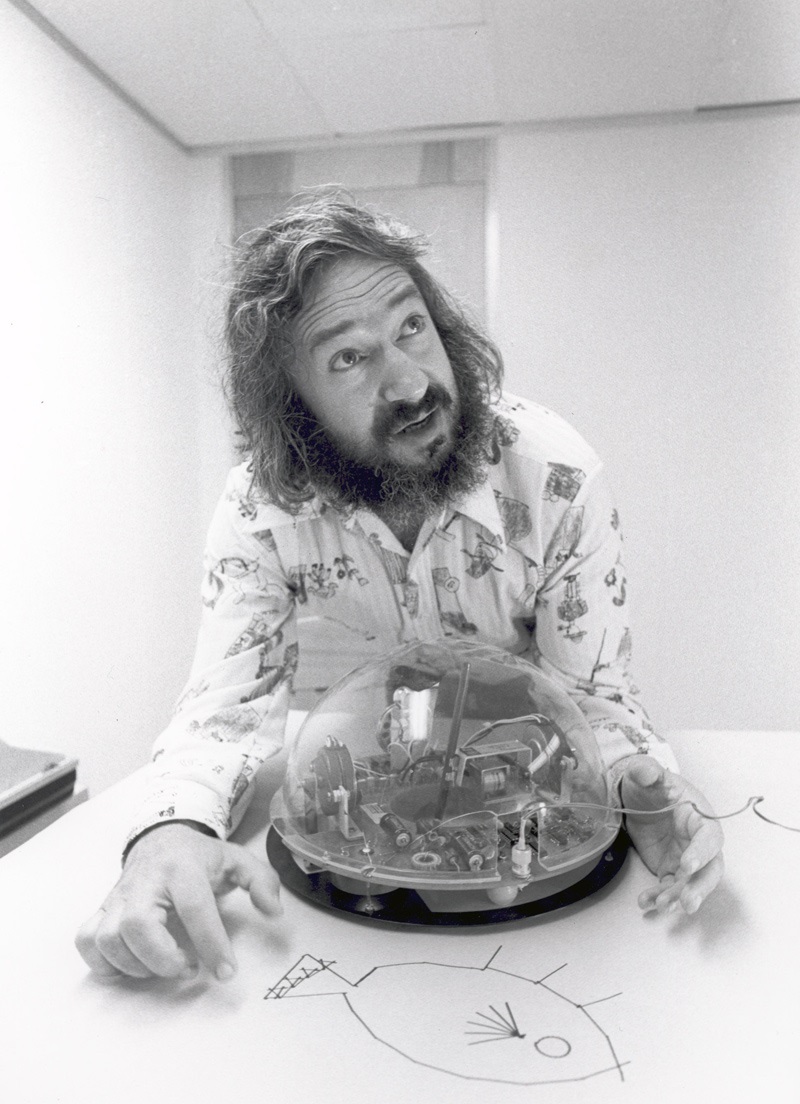
Portrait of Seymour Papert.

Seymour Papert

Logo Co-Creator, Piaget Veteran

An anti-apartheid South African mathematician who studied children with Piaget, then gave them a turtle and a programming language and let them give the orders.

Turtle Geometry
Teaches angles by making you walk the turtle’s path yourself.
Debugging
Treats a wrong answer as a bug to chase, not a grade.
LEGO Logo
Puts programmable construction kits into children’s hands.
Seymour Papert

Mathematician & Pioneer of Constructionist Learning

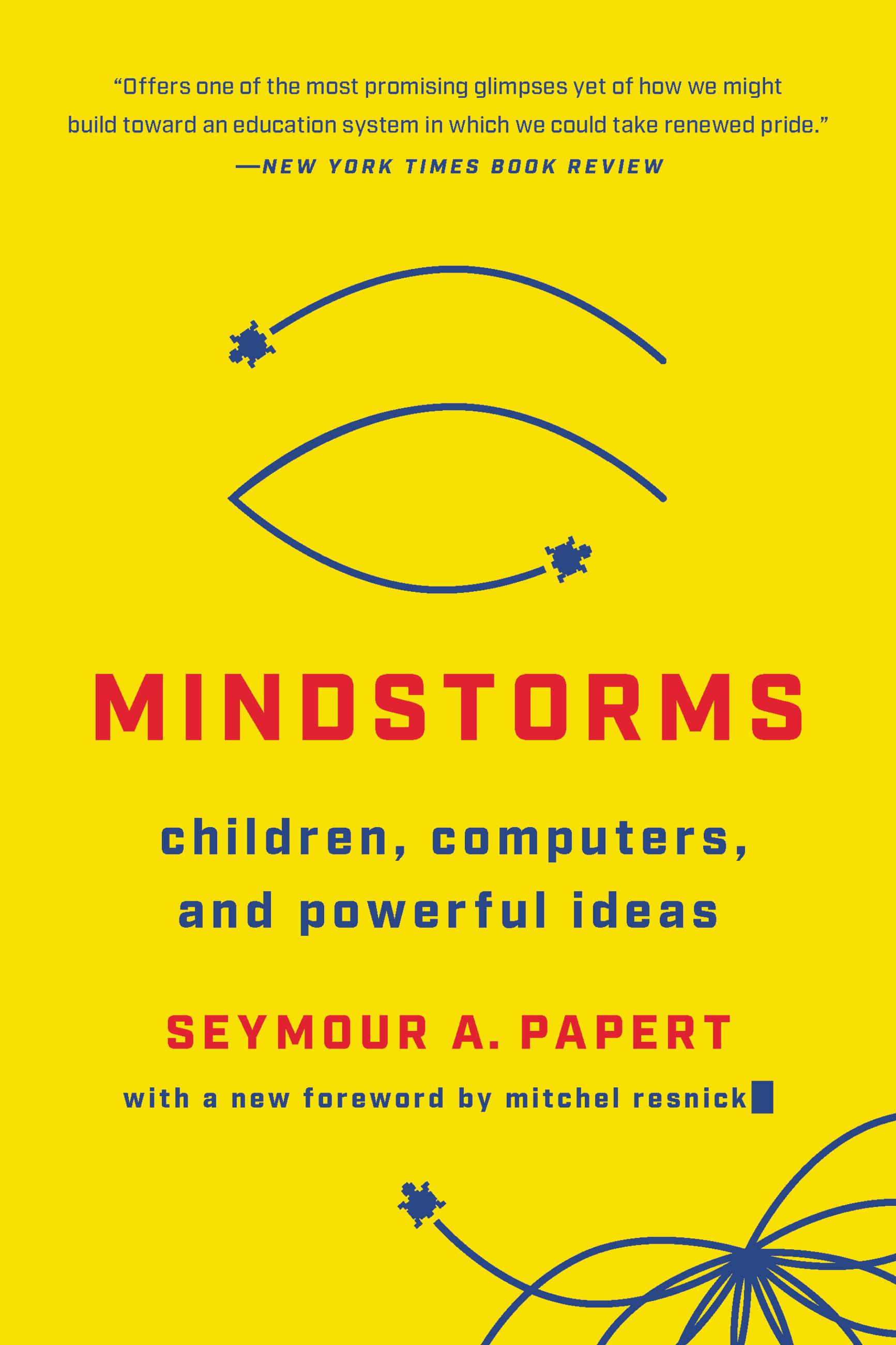
History of computing · Learning by making Start hereMindstorms: the textStart with the opening account of gears as “objects-to-think-with”: it makes Papert’s claim about personal attachment, mathematics and learning tangible before the book turns to Logo and school.Read the authorised text

Seymour Papert brought together mathematics, Jean Piaget’s developmental psychology and the new possibility of children programming computers. Logo and constructionism grew from collaborations that made abstract ideas objects a learner could build, inspect and revise.

1928–1963

Mathematics, politics and how children think

Papert grew up in South Africa, studied mathematics and philosophy at the University of the Witwatersrand, and pursued mathematics at Cambridge. His early political life included opposition to apartheid; his intellectual route then led to Jean Piaget’s research centre in Geneva.

Working with Piaget from 1958 to 1963 gave Papert a close view of children constructing knowledge. When he moved to MIT and joined Marvin Minsky in artificial-intelligence research, he began asking what children could construct if computation itself became available to them.

1960s–1971

Let the learner give the instructions

At Bolt Beranek and Newman, Wally Feurzeig, Cynthia Solomon and Papert developed Logo so children could direct the machine and inspect the consequences. The language emerged through a team and classroom experiments, not from a solitary flash of invention.

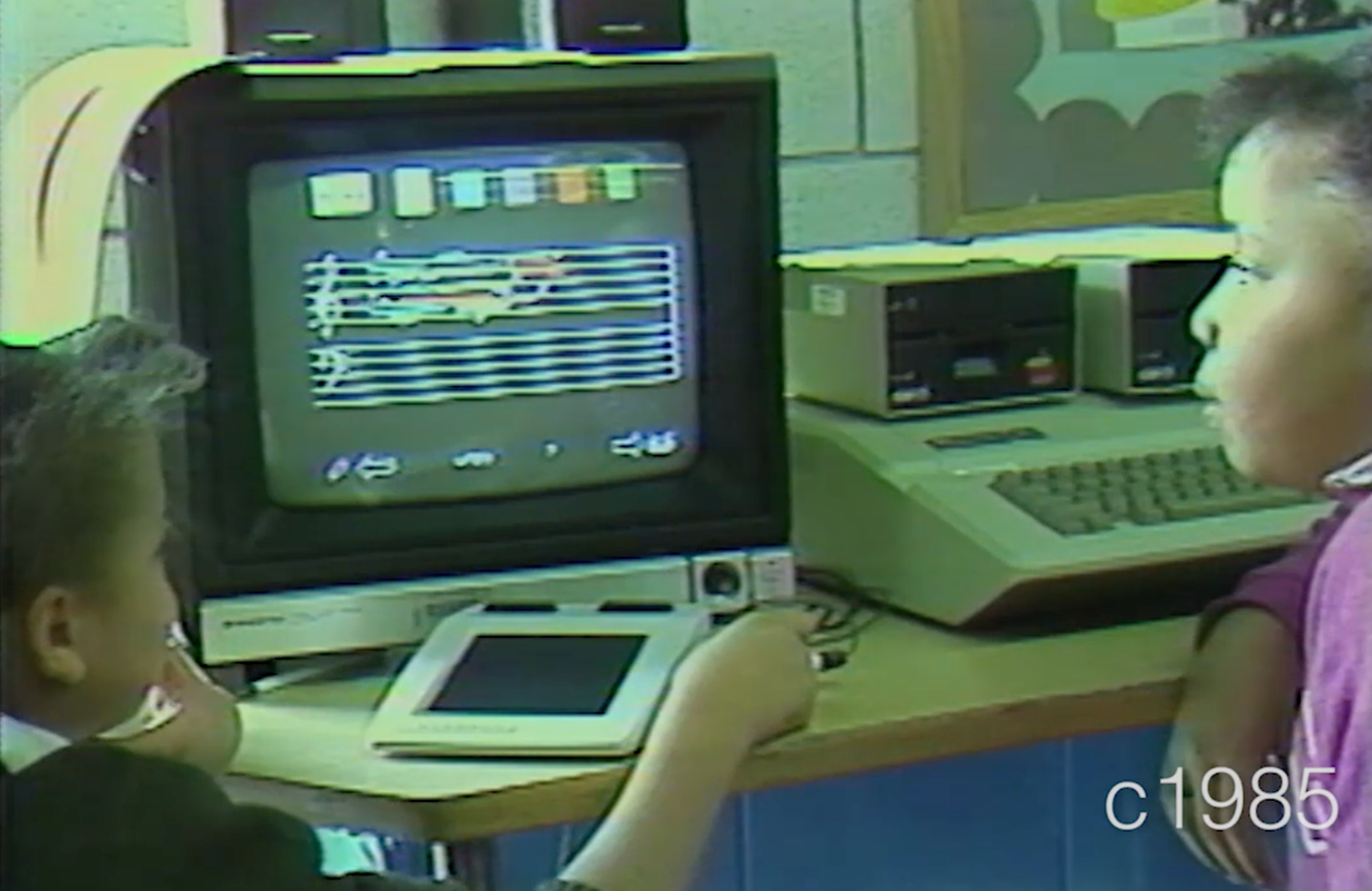
The turtle linked body knowledge to geometry: turn, move, observe the path, revise the procedure. In Twenty Things to Do With a Computer, Papert and Solomon widened that invitation from screen drawings to music, sensors and machines children could build and control.

Twenty Things to Do With a ComputerA concrete early agenda in which children program graphics, music, sensors and physical machines rather than receive lessons from a computer.Read the memo
1980–2016

From laboratory idea to learning culture

Papert worked with teachers, schools and later the LEGO company as programmable construction kits carried his ideas beyond the research laboratory. Implementations varied, and access to time, support and programmable materials shaped what learners could actually do.

He died in 2016. Begin with Mindstorms, then compare its ambition with Kay’s Dynabook: both ask what happens when a learner can shape the medium, while Papert keeps physical making, classroom culture and the child’s own project firmly in view.

A transparent green floor turtle beside colourful geometric paths on paper.

Bookshelf

Writings & learning

In his own voice