Thread 03 Energy & living matter

The Birth of
Bioenergetics

Life keeps making itself. Where does that power come from?

A Ray Peat-inspired path through respiration, cellular organisation and the living state. Ten lives within a much larger history, connected by the question of how energy gives matter its possibilities.

011926–1945

A living planet

What if life is a force that reshapes the Earth?

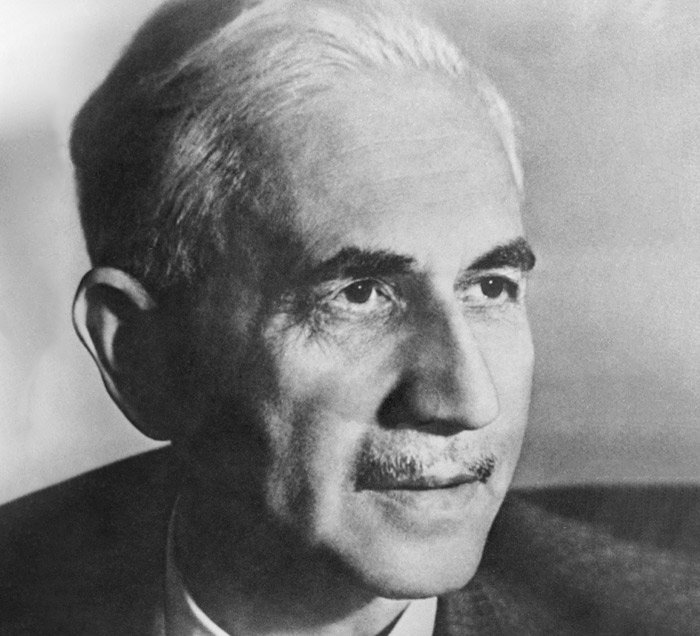
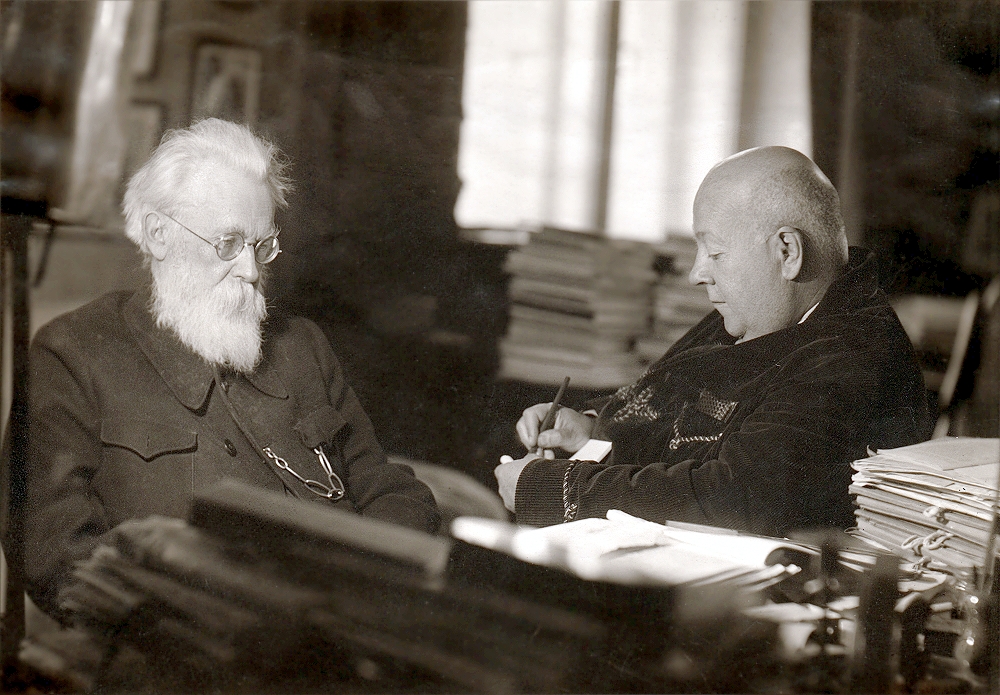
Vladimir Vernadsky began with minerals and arrived at living matter on a planetary scale. In The Biosphere, he described organisms as participants in the movement of chemical elements and the transformation of solar energy. Life changes the conditions in which subsequent life becomes possible.

This is an ecological opening into bioenergetics, rather than a discovery about ATP. Vernadsky matters to this particular path because Peat read him as a thinker of wholeness: organism and environment belong to one continuing process. His later writing on the noosphere also connects this thread with Dæmon’s history of shared knowledge.

Follow the thread

021920s–1930s

The breathing cell

What keeps a living cell in motion?

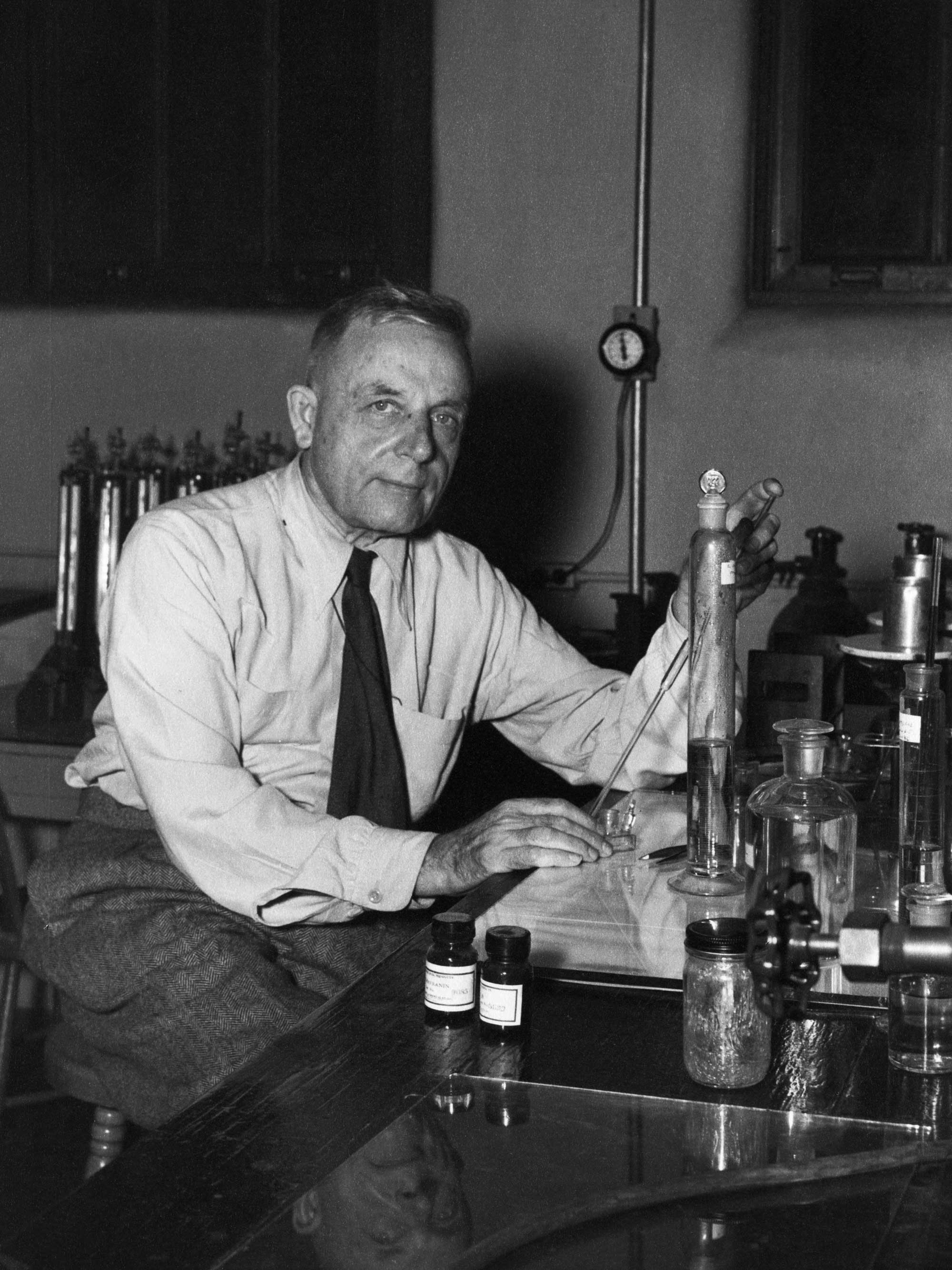
Otto Warburg brought the question into the laboratory. By measuring gas exchange and studying respiratory enzymes, he made cellular metabolism something that could be investigated with precision. His 1931 Nobel Prize recognised work on the enzyme that enables oxygen to participate in respiration.

Alongside this work, Otto Meyerhof followed the chemistry of working muscle. His experiments connected carbohydrate breakdown, lactate and oxygen, helping turn the energy of movement into a sequence of reactions. He shared the 1922 Nobel Prize with A. V. Hill, whose measurements approached muscle through heat.

Warburg’s observations of tumour metabolism opened another inquiry: why do many cancer cells turn so much glucose into lactate even when oxygen is available? The observation endures. His stronger claim that damaged respiration is the universal origin of cancer did not become an established explanation.

Follow the thread

031930s–1940s

Cycles and currency

How does the chemistry of food become useful work?

Hans Krebs, trained in Warburg’s laboratory, worked with William Arthur Johnson to establish the citric acid cycle in 1937. The pathway showed how a small set of intermediates could be regenerated while fuel was oxidised. The story was no longer just a chain: it was a cycle.

Fritz Lipmann supplied another connecting idea. His work on phosphate transfer helped establish ATP as a shared carrier of chemical energy, while his discovery of coenzyme A explained an essential participant in intermediary metabolism. Krebs and Lipmann shared the 1953 Nobel Prize for distinct, complementary discoveries.

These findings belong in the centre of the thread. They give the reader the biochemical machinery needed to understand later arguments about respiration, cellular organisation and energy transfer.

Follow the thread

041930s–1970s

The living state

Can a list of molecules explain a living thing?

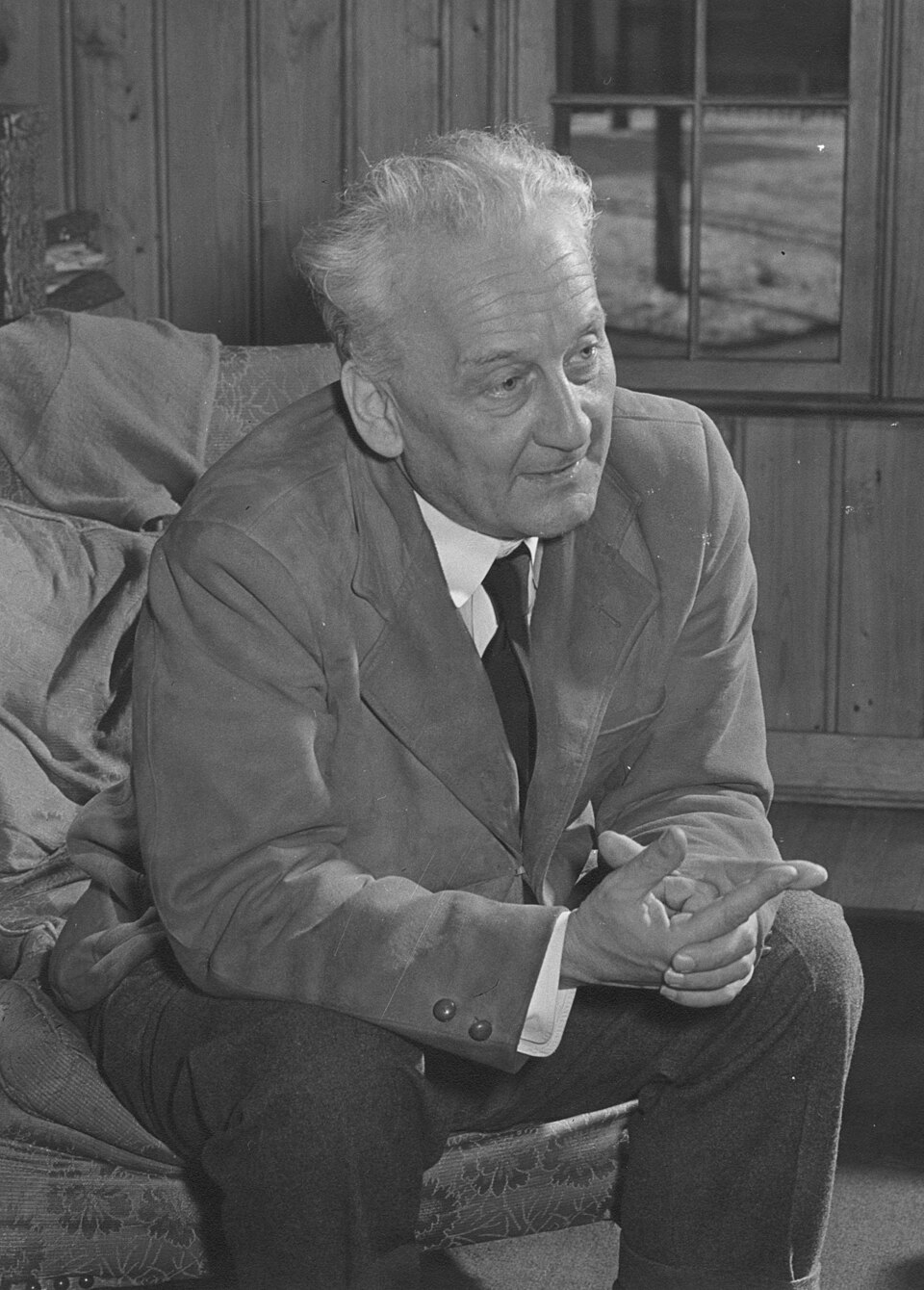
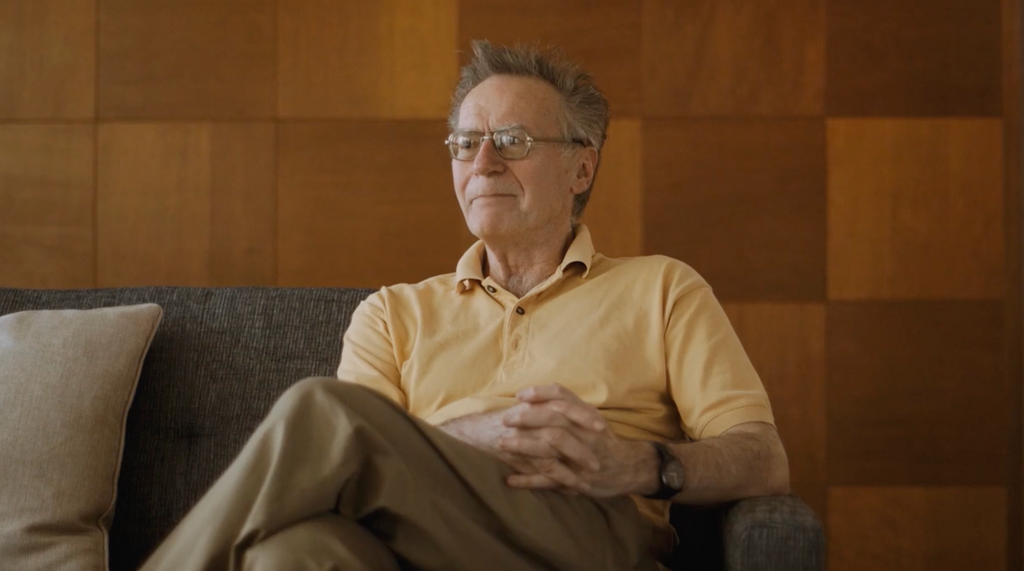
Albert Szent-Györgyi moved from vitamin C and biological oxidation to muscle contraction, then toward electrons and the organisation of living matter. His 1957 book Bioenergetics gives this thread one of its historical touchstones.

He asked what happens when molecules act together. Later work on charge transfer and the electronic properties of proteins reached beyond the discoveries for which he won the Nobel Prize. Those exploratory theories belong to the story as questions and proposals, with their own evidence to examine.

Follow the thread

051936–1970s

The cost of adaptation

What does it cost an organism to keep going?

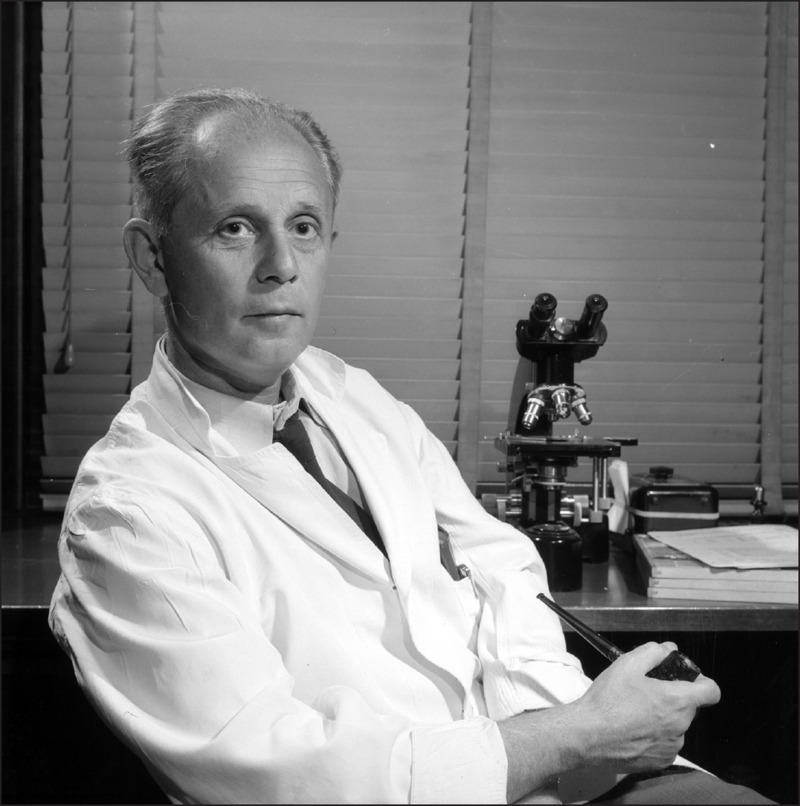
Hans Selye observed that different injuries could produce a recurring pattern of bodily responses. His general adaptation syndrome made stress a physiological research programme, with hormones and the whole organism in view.

Selye is a direct route into Peat’s interest in the costs of adaptation. Yet stress physiology is wider than a single universal response: the kind of stressor, its duration and the organism’s history all matter. Follow Selye’s experiments and the debate around his framework, rather than treating every demand as biologically identical.

Follow the thread

061949–2013

Inside the cell

What kind of material is a cell?

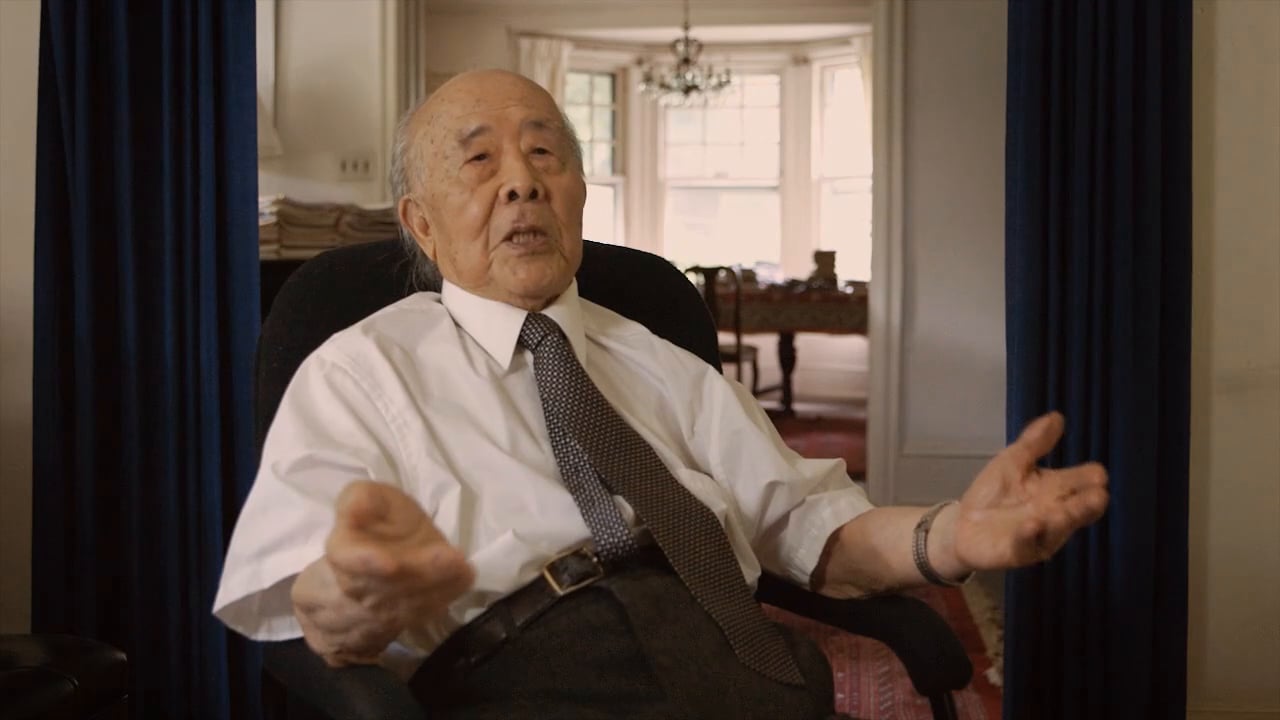
Gilbert Ling helped refine the glass microelectrode used to measure electrical potentials inside cells. He later challenged the membrane-pump account of cellular physiology, proposing that proteins, water and ions form an organised system controlled by their associations.

His association–induction hypothesis became an important reference for Ray Peat. It remains outside the accepted account of cellular ion transport; Ling’s experimental contributions and his broader theoretical claims are distinct parts of his legacy. Read his argument alongside the work it disputes.

Follow the thread

071961–1978

A gradient becomes work

Can a membrane turn a difference into power?

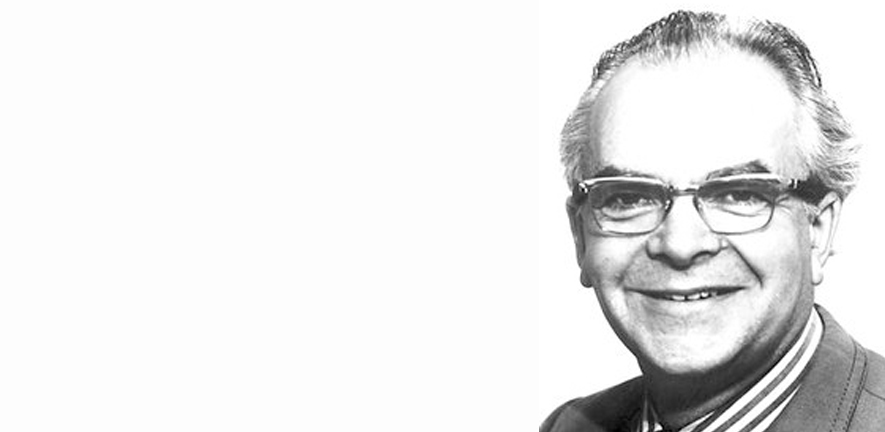
Peter Mitchell proposed that respiration and ATP formation are connected through an electrochemical gradient across a membrane. Energy transfer depends on where reactions happen and which side of a membrane ions occupy. The cell’s architecture is part of its chemistry.

At Glynn, Mitchell and Jennifer Moyle developed experiments that helped put chemiosmosis on firm ground. The once-disputed proposal became a foundation of modern bioenergetics, recognised by Mitchell’s 1978 Nobel Prize.

Mitchell and Ling offer different explanations of cellular organisation; they are not members of one agreed school. Placing their arguments in the same thread makes the history more interesting and gives the reader a way to examine the disagreement.

Follow the thread

081970s–2022

Energy and possibility

How might biology change the way we understand a life?

Ray Peat brought a wide reading life to biology. Warburg’s respiration research, Szent-Györgyi’s living state, Ling’s cellular theories, Selye’s stress physiology and Vernadsky’s biosphere appear in a body of writing that also reaches into painting, poetry, education and perception.

His organising idea was the interdependence of energy and structure. Through books, essays and long conversations, he developed an independent interpretation of metabolism, stress and development. His health claims vary in evidential support and should be read as his proposals, rather than as established treatments.

Begin with his writing on discovery or William Blake. It opens a larger Peat than a list of foods: a thinker asking how an organism meets its circumstances, and how people might remain capable of learning.
The wider conversation

Follow the questions outward

Bioenergetics has many founders and competing explanations. These paths continue the story beyond the lives gathered here.

Boyer, Walker and Skou · Molecular machineryATP synthesis and ion transport become mechanisms that can be investigated in detail.Jennifer Moyle · A collaboration at GlynnMitchell’s autobiographical account of the experimental partnership behind chemiosmosis.Revisiting WarburgA 2016 study of human lung tumours finds glycolysis alongside active glucose oxidation.A mind that can keep learningFollow education, agency and tools for thought into another Dæmon thread.