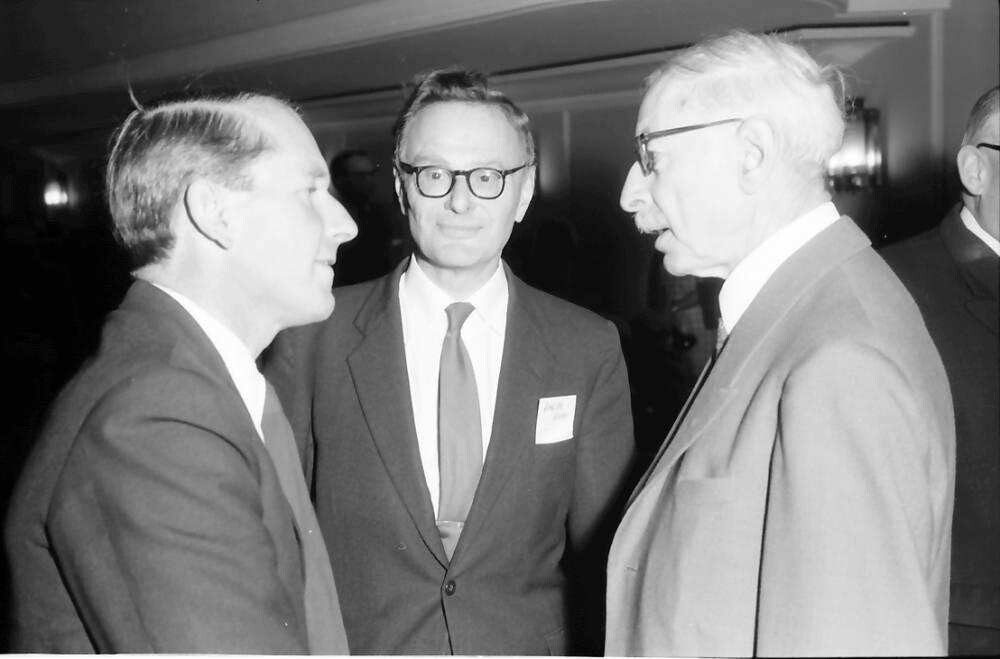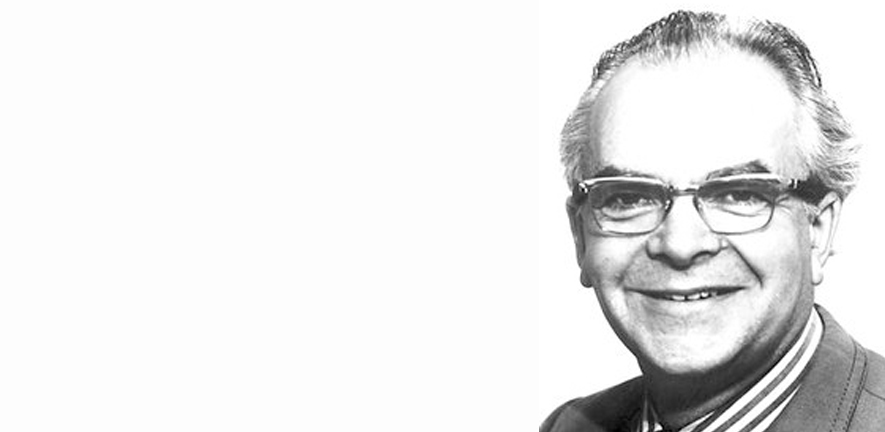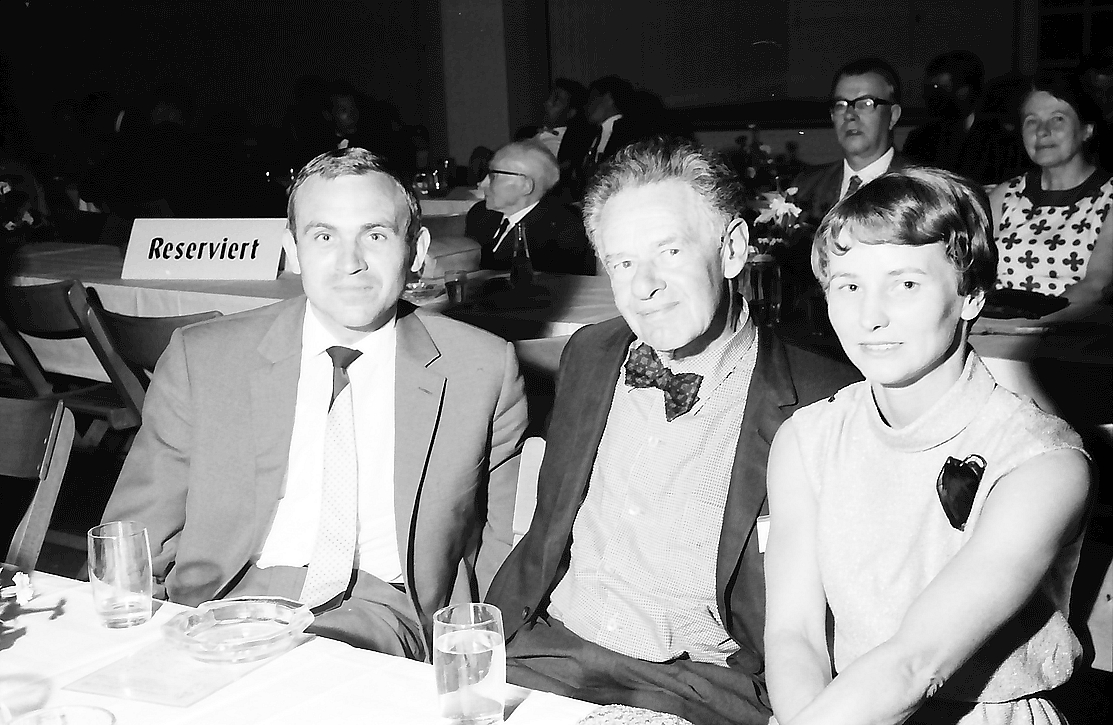
Fritz Lipmann, centre, at the 1967 Lindau Nobel laureates’ meeting.

Fritz Lipmann

Interpreter of Cellular Energy

A biochemist who asked how energy passes between reactions. Phosphate transfer and coenzyme A helped him connect the chemistry of fuel with the work of the cell.

Energy Currency
Follows the transfers that let one reaction power another.
Coenzyme A
Finds a small carrier at a great metabolic crossroads.
Chemical Connection
Brings apparently separate pathways into conversation.
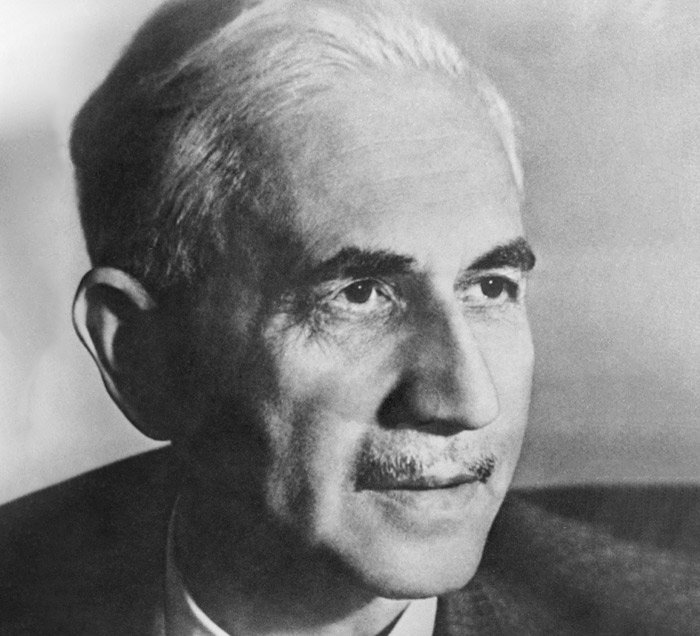
Fritz Lipmann

Interpreter of Cellular Energy

The Birth of Bioenergetics · Cycles and currency
1920s–1930s

Among the experimentalists

Lipmann worked in the research world of Meyerhof and Warburg. His questions moved toward the chemical means by which cells couple energy-releasing processes to work.

1939–1941

A shared carrier

His work on energy-rich phosphate compounds helped establish ATP as a common carrier of chemical energy. The important idea was transfer: how reactions could be linked, rather than treated as isolated events.

1940s–1953

The acetylation problem

Investigations of acetyl transfer led to coenzyme A and its importance in intermediary metabolism. Lipmann’s Nobel lecture tells this story as a personal account of an experimental problem unfolding.

His 1953 prize was shared with Hans Krebs. Their discoveries meet at the pathways through which cells process fuel.