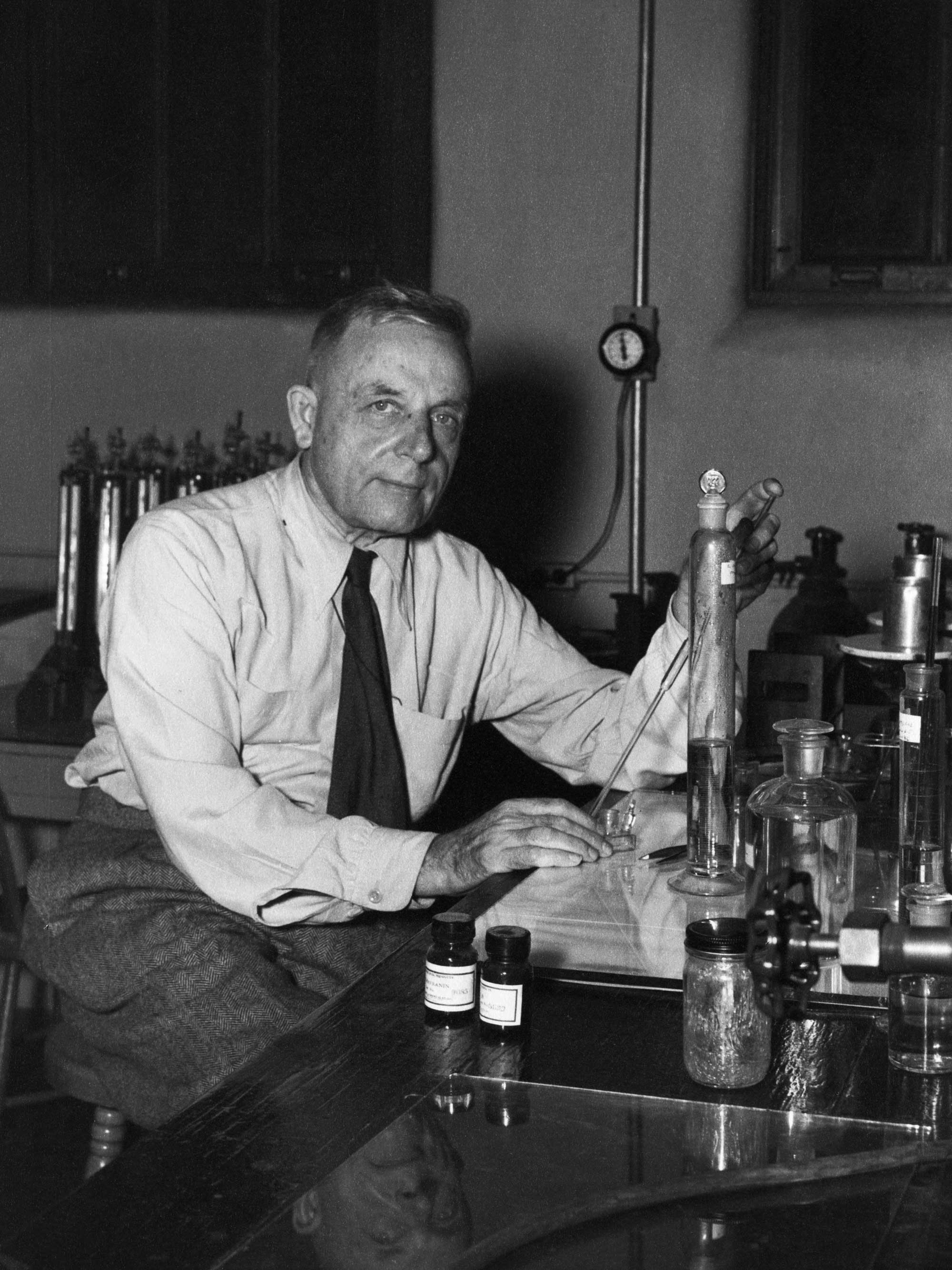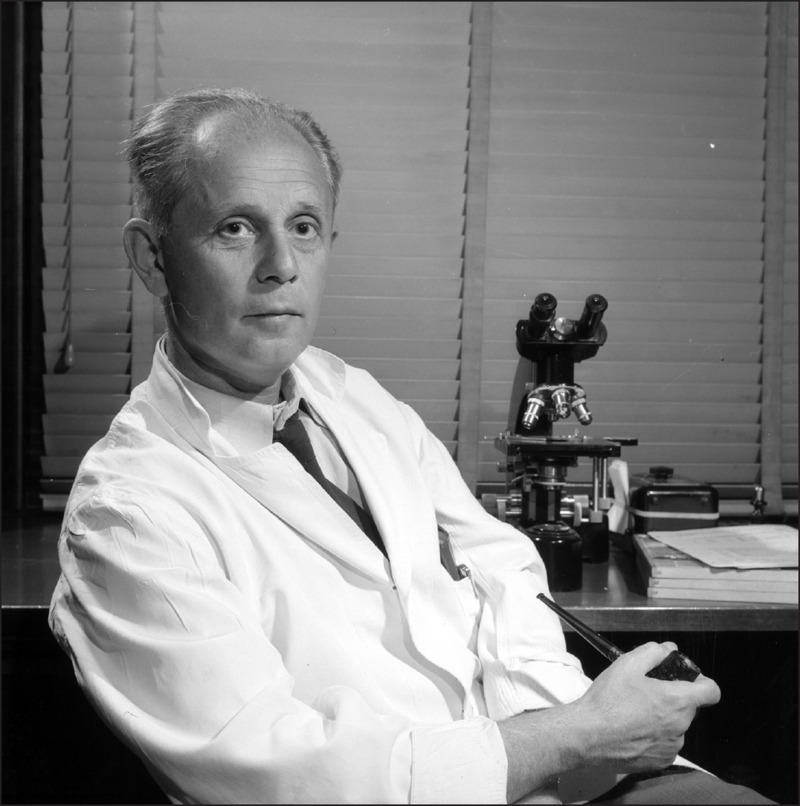
Portrait of Hans Selye.

Hans Selye

Cartographer of Stress

A physiologist who made adaptation a subject of experiment. His work asked how the whole organism responds to demands—and what it costs to keep responding.

Adaptation
Looks for a pattern across different bodily demands.
Whole Organism
Connects hormones, tissues and the surrounding conditions.
The Cost of Coping
Asks what sustained response requires of a living body.
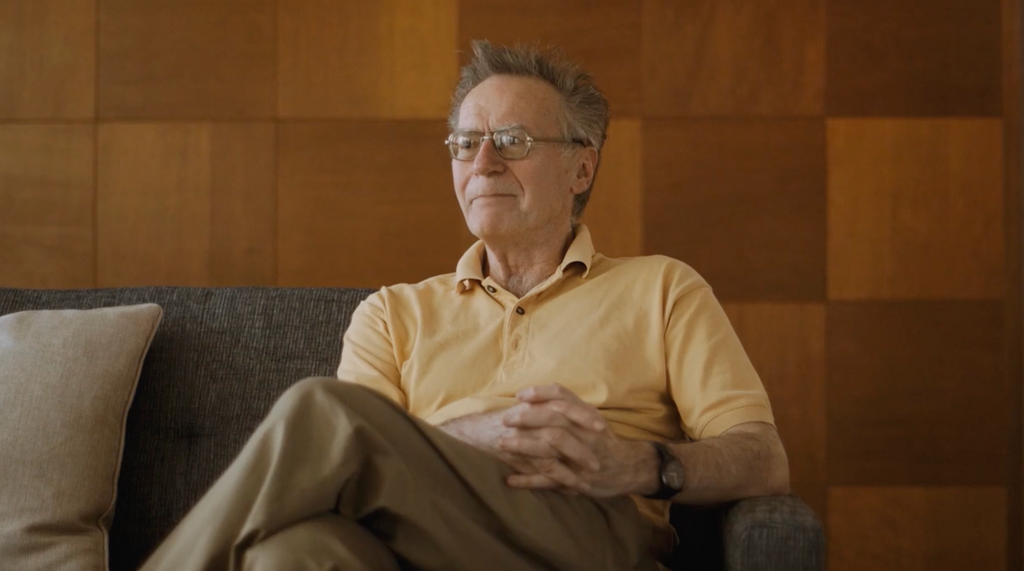
Hans Selye

Cartographer of Stress

The Birth of Bioenergetics · The cost of adaptation
1936

A recurring pattern

Selye reported that different harmful agents produced a recurring pattern of changes in experimental animals. This became the starting point for his general adaptation syndrome and a programme of stress physiology.

1955–1956

Stress enters public language

His papers and The Stress of Life carried the framework beyond the laboratory. Stress, in this account, was bodily adaptation to demands, a wider idea than the everyday sense of feeling worried.

The history also contains debate: responses vary with the stressor, duration and organism. Selye’s unifying framework is a starting point for inquiry, rather than an explanation of every illness.

An ongoing connection

Toward Ray Peat

Peat returned to Selye when discussing shock, hormones and adaptation. That makes Selye a direct connection in this thread. Reading the original experiments alongside Peat’s interpretation helps distinguish the observations from the later argument.

Books

Original papers

History & connections