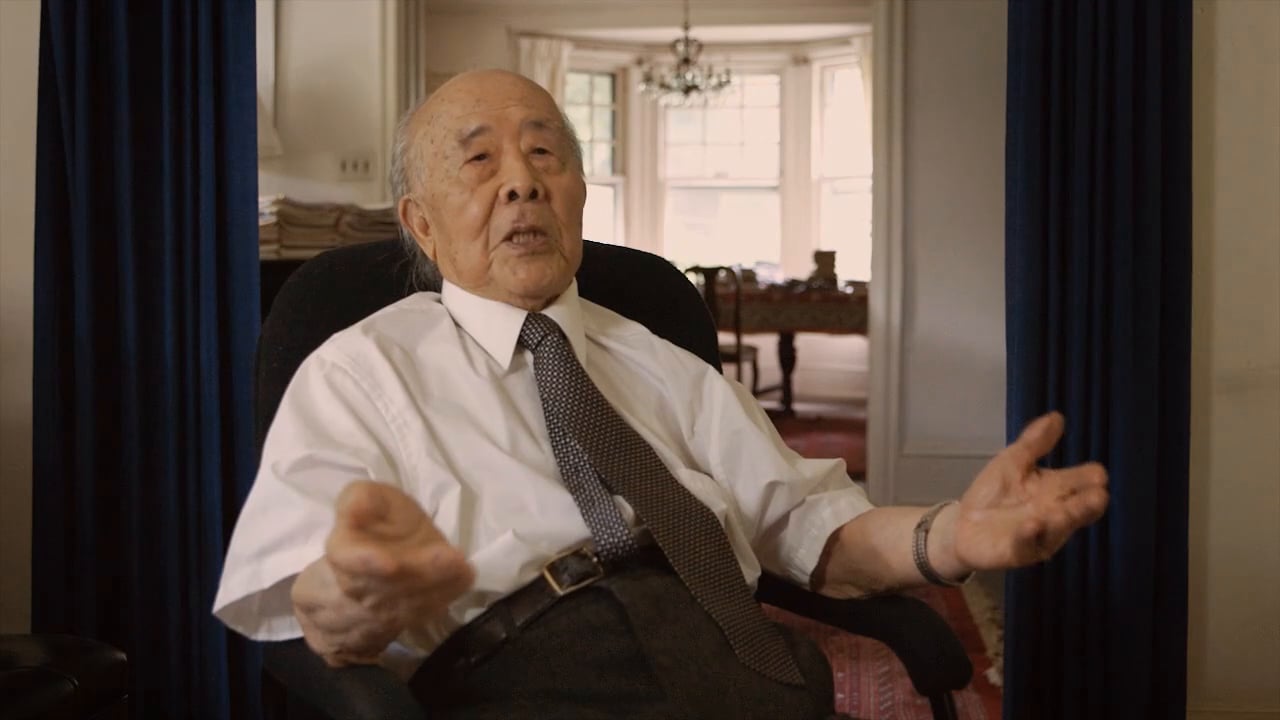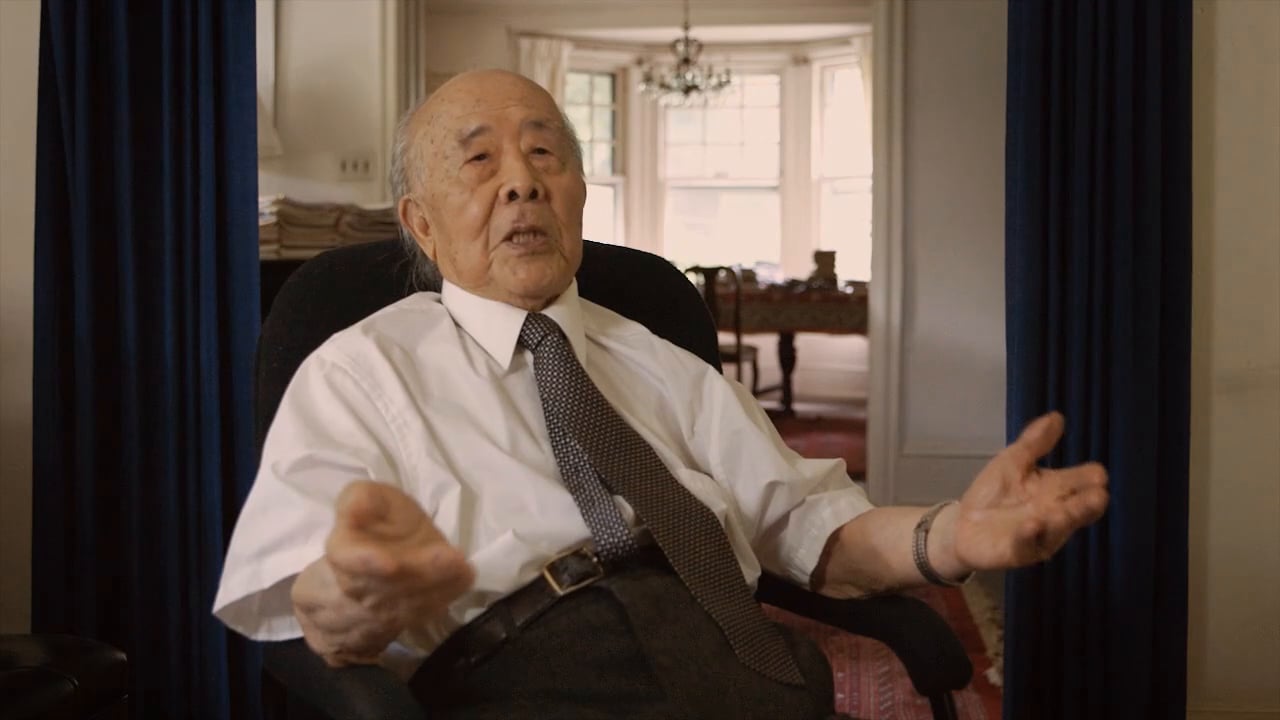
Portrait of Gilbert Ling.

Gilbert Ling

Cellular Iconoclast

A physiologist who looked inside cells, then questioned the model used to describe them. Proteins, water and ions became the cast of his lifelong scientific argument.

Microelectrode
Makes a cell’s electrical interior accessible.
Association–Induction
Proposes a different account of cellular order.
Persistent Inquiry
Keeps the fundamental question open.
Gilbert Ling

Cell Physiologist & Biophysicist

The Birth of Bioenergetics · Inside the cell Start hereThe Association–Induction HypothesisLing’s own account of his proposed alternative model of the living cell.Read the summary · PDF
1919–1948

A journey into physiology

Born in Nanking in 1919, Ling studied biology in China before moving to the University of Chicago. He completed his doctorate under Ralph W. Gerard in 1948.

His early experiments examined membrane potential in frog muscle fibres, connecting electrical measurements with metabolism and temperature.

1949

A finer instrument

Ling helped refine the glass microelectrode, building on work by Judith Graham and Ralph Gerard. The technique made reliable measurements of electrical potential inside cells possible.

The 1949 paper with Gerard provides a direct route into this experimental contribution.

1962–1965

The cell reconsidered

In A Physical Theory of the Living State, Ling set out the association–induction hypothesis. He later added a model of water ordered by its interactions with proteins.

He proposed that cellular organisation could explain properties usually attributed to membranes and ion pumps. This became a sustained challenge to the dominant account of cell physiology.

1984–2019

A theory kept in view

Books and papers elaborated the hypothesis across decades. Ling’s archive preserves the arguments in detail, including free texts and summaries.

His rejection of membrane-pump explanations remains outside accepted cellular physiology. Reading his claims alongside experimental work on ion-transporting enzymes makes the disagreement concrete.

Bookshelf

In his own words

Papers & hypotheses

Read across the argument