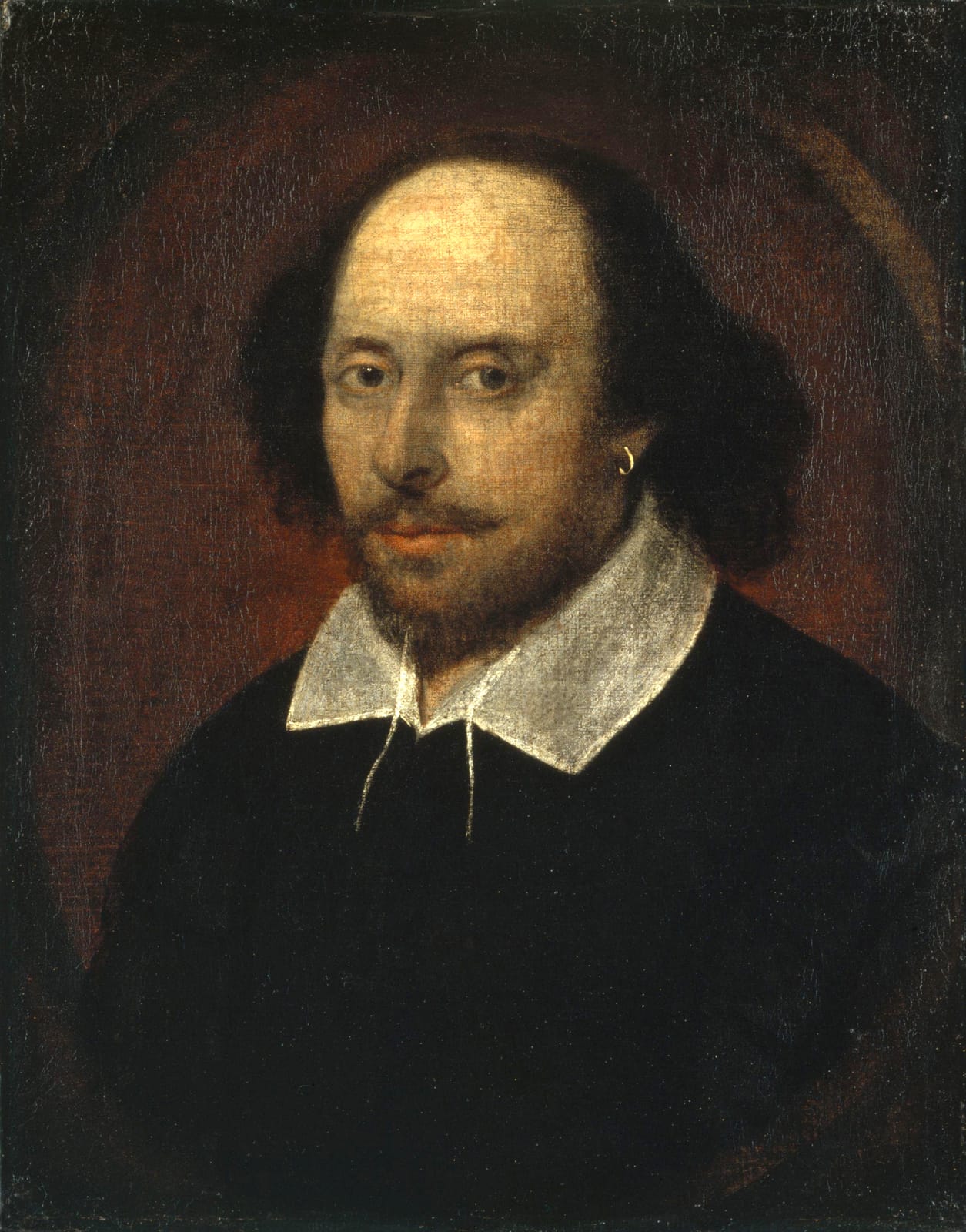
The Chandos portrait: a balding man with a short beard, a loose white collar and a gold earring, against a dark reddish ground.

William Shakespeare

Poet of the Playhouse

A Stratford glover’s son who became a sharer in a London company, writing for its actors, its bare stage and, sometimes, with partners.

Many Tongues
Moves between court verse and tavern prose in a single scene.
Company Player
Writes for named actors, a bare stage and an open-air crowd.
Living Text
Leaves plays that survive in more than one early shape.

William Shakespeare

Playwright, Poet & Actor-Sharer

Start hereHenry IV, Part One — Act 1, scene 2A short way in. Hal, Falstaff and Poins trade jokes in prose; then Hal is left alone and speaks in verse. Read to the end of the scene and listen for the change.Read the scene

Most of what we know about William Shakespeare comes from two kinds of paper. Parish, legal and theatre records give dates without feelings; printed plays and poems give feelings without dates. Between them stands a working playwright: a glover’s son from Stratford who became a sharer in a London acting company, wrote for its players and its almost bare stage, and sometimes wrote with others. Start with one short scene in which prose turns into verse; then follow Hamlet through its three early texts.

1564–1585

A glover’s son in Stratford

The first trace is one line of Latin in the register of Holy Trinity Church, Stratford-upon-Avon: on 26 April 1564, “Gulielmus filius Iohannes Shakspere” — William, son of John Shakespeare — was baptised. The register records a baptism, not a birth; 23 April is a tradition. His father worked in soft white leather as a glover, became an alderman and, when William was about five, served as bailiff, the town’s chief officer, before withdrawing from public life for reasons no record explains. His mother, Mary Arden, came from a prominent local family. Their Henley Street house doubled as John’s workshop.

The Folger Shakespeare Library judges that William almost certainly attended Stratford’s grammar school, but that is an inference, not a document. The next records concern family. A bond dated 28 November 1582 cleared the way for the Worcester diocese to license his marriage to Anne Hathaway; he was eighteen, she was twenty-six and already expecting a child, and two Stratford farmers stood as sureties. Susanna was baptised on 26 May 1583, the twins Hamnet and Judith on 2 February 1585. These papers fix names and dates. They say nothing about whether the marriage was happy, and there is no evidence either way.

Parish register entry recording William Shakespeare’s baptismThe first document in which he appears: one Latin line, “Gulielmus filius Iohannes Shakspere.” The register records a baptism, not a birth.See the record
A long timber-framed house with gables and leaded windows on a pedestrian street, with visitors outside.
1585–1594

Lost years and an upstart crow

After the twins’ baptism the trail goes cold. Nothing certain is known of his life from about 1585 until the early 1590s: not when he moved to London, nor how he entered the theatre. Later stories fill the gap; the documents do not. When he reappears in 1592 he is already a working actor and writer. A pamphlet printed that year as Greenes, groats-worth of witte warns university-trained playwrights against an actor-writer it calls an “upstart crow, beautified with our feathers,” who thinks himself “the only Shake-scene in a country” (spelling modernised). The pun is generally read as aimed at Shakespeare, and the passage implies that Henry VI, Part 3 was already known on stage.

Even this first notice is a collaboration puzzle. The title page names Robert Greene, who had recently died; Henry Chettle prepared it for print, and both Chettle and Thomas Nashe publicly denied writing it. A 2025 Shakespeare Quarterly article by Brett Greatley-Hirsch, Andrew Hadfield and Rachel White argues that Nashe wrote the attack. Shakespeare’s own early plays were not always solo work either: George Peele is credited by many scholars as co-author of Titus Andronicus, and scholars continue to argue over the other hands in the Henry VI plays.

Plague closed London’s playhouses for long stretches in 1592–93, and in those months Shakespeare seems to have turned to print. Venus and Adonis (1593) was dedicated to the young Henry Wriothesley, Earl of Southampton, in deferential terms as “the first heir of my invention”; The Rape of Lucrece (1594) carried a warmer dedication to him. Both poems were carefully printed and often reprinted, and each carries his signed dedication to Southampton.

Greenes, groats-worth of witteThe earliest printed allusion to Shakespeare as a playwright, with a description of its disputed authorship.See the record
1616–1623

Thirty-six plays in one book

Seven years after his death, two of the actors named in the 1603 warrant, John Heminges and Henry Condell, gathered his plays into Mr. William Shakespeares Comedies, Histories, & Tragedies, printed by a syndicate headed by Edward Blount and Isaac Jaggard. It contains 36 plays, though its contents list names 35: the rights to Troilus and Cressida were secured too late. Eighteen of the plays had never been printed before, among them Macbeth, Julius Caesar, Twelfth Night and The Tempest. Without this book they would probably be lost.

The First Folio is a memorial made by colleagues, and also an editorial act. It left out Pericles and The Two Noble Kinsmen, and it printed shared plays under one name. About 750 copies were probably printed; 235 are known to survive. Its title page carries Martin Droeshout’s engraving, one of very few portraits of Shakespeare considered authentic, approved by people who had known him. Ben Jonson’s accompanying verses advise the reader to “look, not on his picture, but his book.”

The Bodleian First FolioTurn the pages of one surviving copy, from the Droeshout title page to the plays themselves; images and a digital text can be downloaded.Open the facsimile
The First Folio title page: “Mr. William Shakespeares Comedies, Histories, & Tragedies,” above Martin Droeshout’s engraved head-and-shoulders portrait, with the London imprint of Isaac Jaggard and Ed. Blount, 1623.

Plays and poems in edited editions

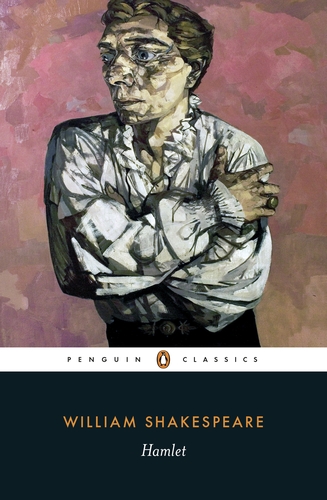
  • William Shakespeare

    Hamlet

    Choose your edition

    Amazon affiliate links support Dæmon at no extra cost to you. As an Amazon Associate I earn from qualifying purchases.

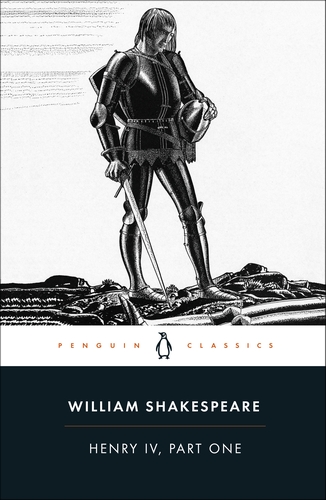
  • William Shakespeare

    Henry IV, Part One

    Choose your edition

    Amazon affiliate links support Dæmon at no extra cost to you. As an Amazon Associate I earn from qualifying purchases.

  • William Shakespeare

    A Midsummer Night’s Dream

    Choose your edition

    Amazon affiliate links support Dæmon at no extra cost to you. As an Amazon Associate I earn from qualifying purchases.

  • William Shakespeare

    Romeo and Juliet

    Choose your edition

    Amazon affiliate links support Dæmon at no extra cost to you. As an Amazon Associate I earn from qualifying purchases.

  • William Shakespeare

    King Lear

    Choose your edition

    Amazon affiliate links support Dæmon at no extra cost to you. As an Amazon Associate I earn from qualifying purchases.

  • William Shakespeare

    The Tempest

    Choose your edition

    Amazon affiliate links support Dæmon at no extra cost to you. As an Amazon Associate I earn from qualifying purchases.

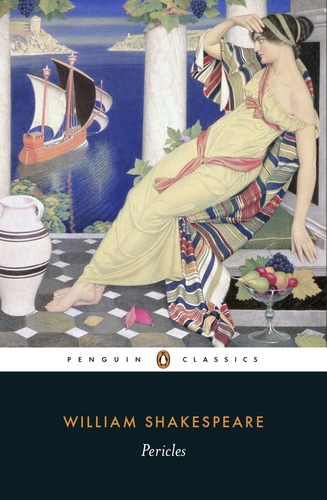
  • William Shakespeare

    Pericles

    Choose your edition

    Amazon affiliate links support Dæmon at no extra cost to you. As an Amazon Associate I earn from qualifying purchases.

  • William Shakespeare

    Timon of Athens

    Choose your edition

    Amazon affiliate links support Dæmon at no extra cost to you. As an Amazon Associate I earn from qualifying purchases.

  • William Shakespeare

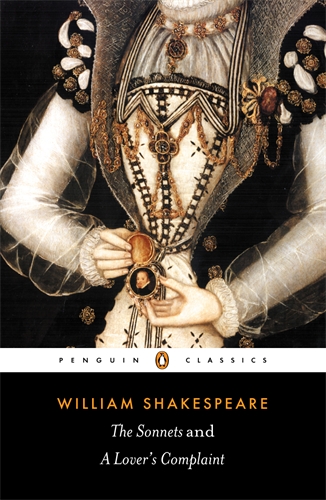
    The Sonnets and A Lover’s Complaint

    Choose your edition

    Amazon affiliate links support Dæmon at no extra cost to you. As an Amazon Associate I earn from qualifying purchases.

Free texts, early printings and records

Hear Hamlet whole

  • William Shakespeare

    Hamlet — volunteer full-cast reading

    Listening options

    Amazon affiliate links support Dæmon at no extra cost to you. As an Amazon Associate I earn from qualifying purchases.