The Wheel begins to turn
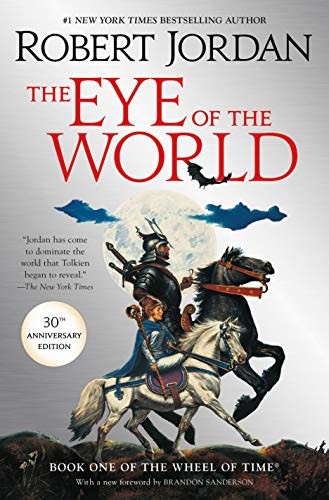
Tor published The Eye of the World in January 1990 as a large trade paperback, wary that a fat hardcover would be hard to sell, under a Darrell K. Sweet cover that McDougal remembered as a big expense for a small company. It sold about 40,000 copies in its first year, and The Great Hunt followed that November.
The book opens outside its own time. In the prologue, “Dragonmount”, Lews Therin Telamon wanders a ruined palace without seeing the bodies of his wife and children. The One Power has a male half, saidin, and a female half, saidar; the Dark One has tainted saidin, so every man who channels it is driven towards madness. Healed into sanity by an enemy just long enough to grasp what he has done, Lews Therin draws so much of the Power that he destroys himself and raises a mountain from a riverside plain.
Chapter one, “An Empty Road”, then drops an age forward to a farm boy, Rand al’Thor, walking beside his father’s cart towards Emond’s Field for the Bel Tine festival. The only uncanny thing is a black-cloaked rider whose cloak does not stir in the wind. The reader already holds the knowledge the village lacks: a man who could touch saidin destroyed a world once, and the story is about to ask who will touch it next.
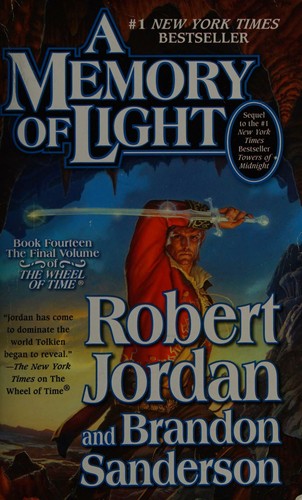
Cyclical time is built into the books’ opening pages. Each first chapter begins with the same refrain: the Wheel of Time turns, Ages come and pass, and a wind rises somewhere in the world. “There are neither beginnings nor endings to the turning of the Wheel of Time,” the passage says. “But it was a beginning.” The wind is then followed across the land until it reaches the scene; in A Memory of Light it crosses a dying forest, a town in rubble, refugee roads and a burning Caemlyn before finding the armies, a survey of a continent in a single weather report.
In the same 2003 interview Jordan said he had been thinking about where legends come from: stories retold until time has twisted them. Inside the books, the past survives as garbled myth and half-remembered prophecy, and the present keeps discovering which old story it is living.