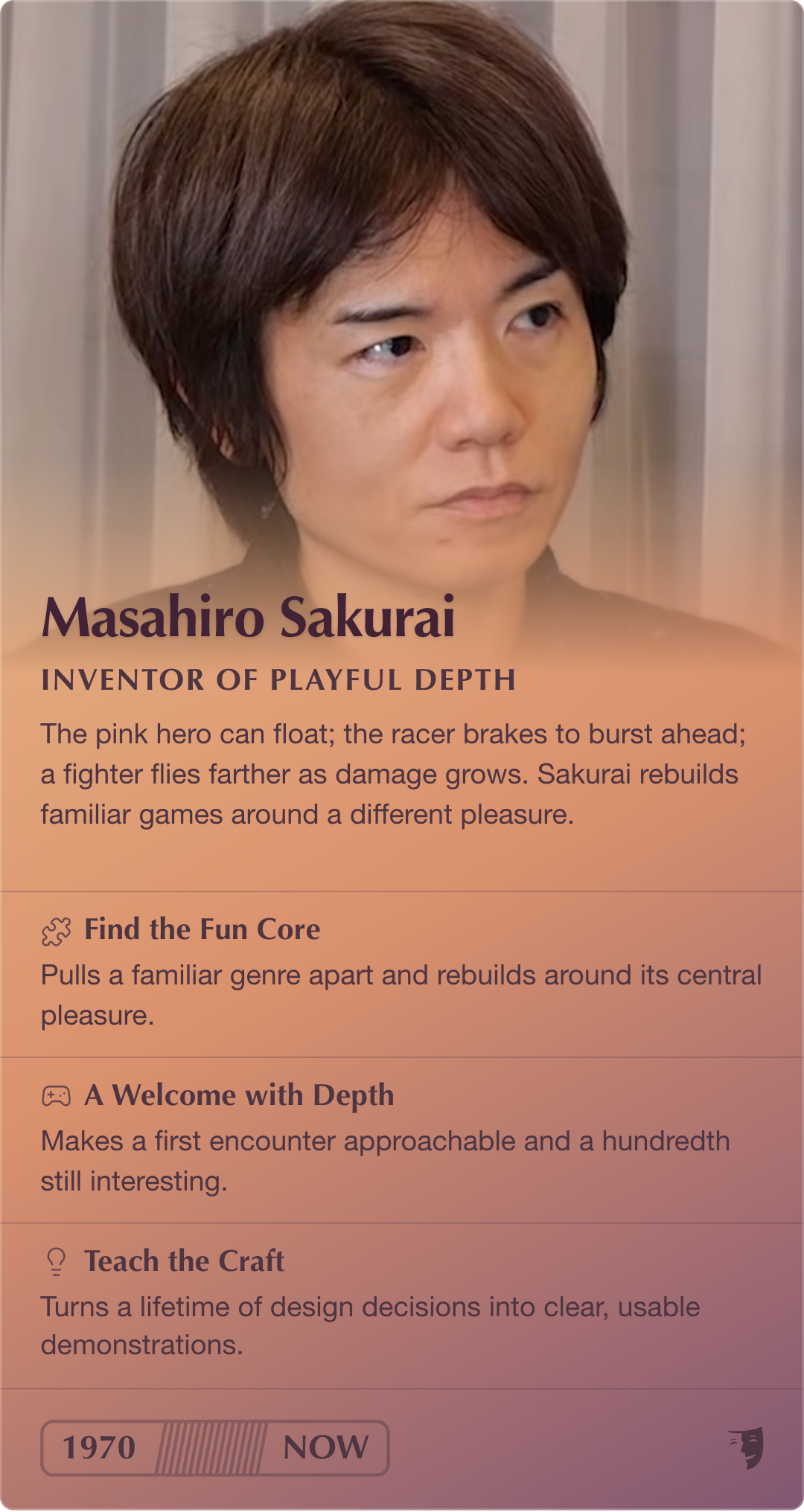
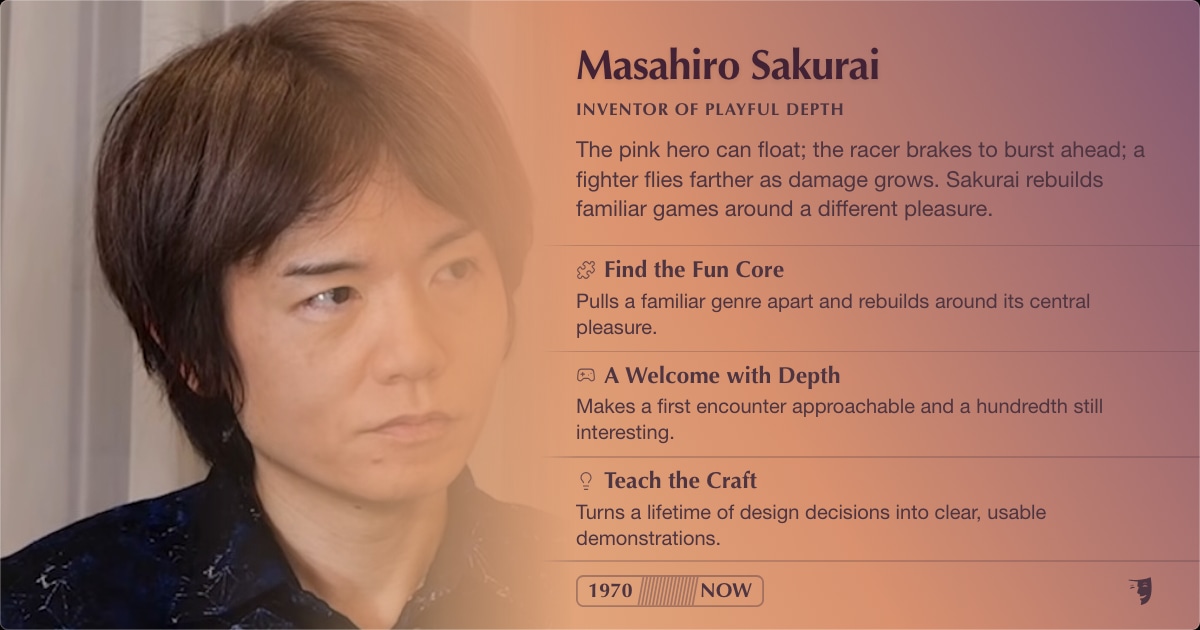
The pink hero can float; the racer brakes to burst ahead; a fighter flies farther as damage grows. Sakurai rebuilds familiar games around a different pleasure.
Find the Fun Core
Pulls a familiar genre apart and rebuilds around its central pleasure.
A Welcome with Depth
Makes a first encounter approachable and a hundredth still interesting.
Teach the Craft
Turns a lifetime of design decisions into clear, usable demonstrations.
Sakurai begins with a pleasure and questions the rules around it. A novice can float over a missed platform; a racing button can slow the machine and prepare its next burst; a fight can become an improvised negotiation of space. Beneath the cheerful abundance lies a demanding practice of balancing, explaining and making different kinds of players feel invited.
1970–1992
Give the beginner a way to recover
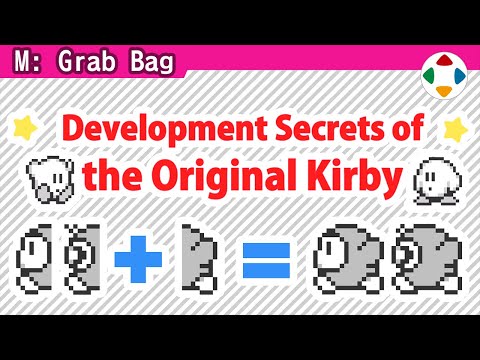
Born in 1970, Sakurai began his game-making career at HAL Laboratory. Kirby’s Dream Land, released for Game Boy in 1992, was his debut. His own Game Concepts video returns to its guiding concern: someone new to action games should be able to reach the end. Kirby’s round silhouette and ability to float give that concern a character and a movement, rather than leaving it as an option buried in a menu.
The gentleness does not remove play. Inhaling, spitting and positioning still ask the player to choose, and the harder Extra Game gives experience somewhere to go. Watch the designer’s short explanation, then return to an ordinary jump. The interesting detail is the alternative available when you misjudge it. What looks like a charming mascot is also a solution to a specific problem of confidence, expressed through the body you control.
1993–1996
A small character contains many ways to play
Kirby’s Adventure, released for NES in 1993, turns an enemy into a potential new repertoire through Copy Abilities. The landscape remains recognisable while Kirby’s actions change. You can ask what a power makes easy, what it makes awkward and whether keeping it is worth passing up the next one. Discovery acquires a playful, bodily vocabulary.
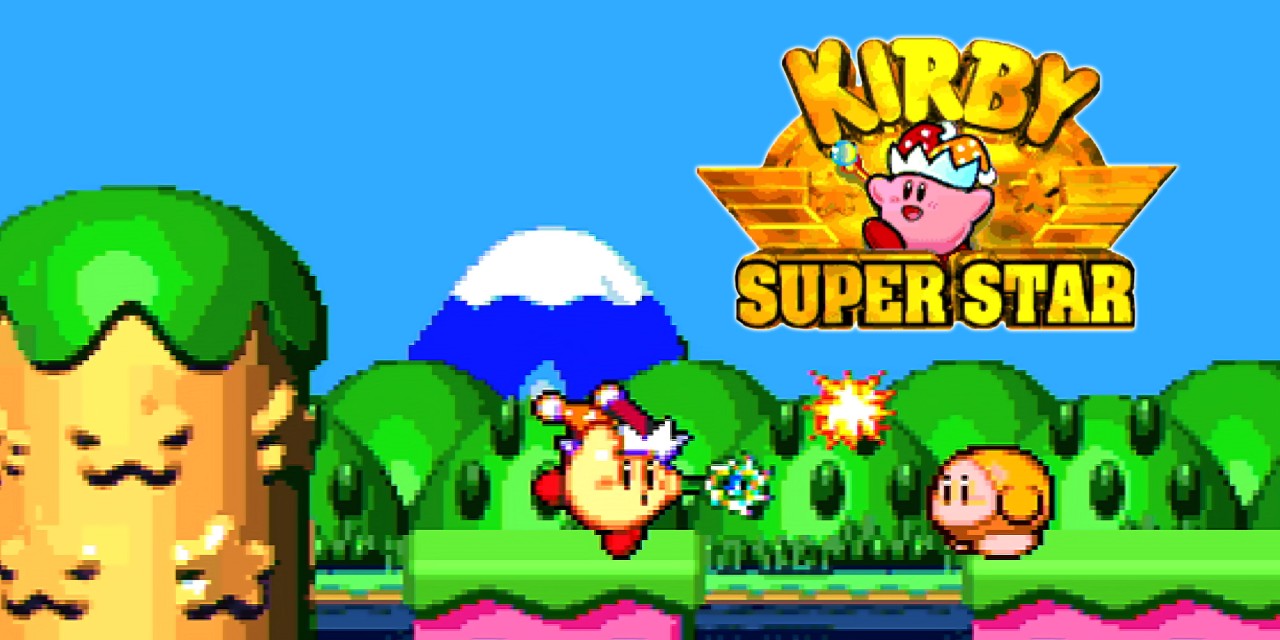
Kirby Super Star followed on SNES in 1996 with several distinct adventures and a helper another player can control. Its variety fits Sakurai’s continuing interest in keeping depth accessible: a short opening, a different objective, a new partner and another reason to revisit a familiar ability. HAL’s artists, programmers and designers made those inviting details coherent. The later Kirby series is the work of many directors; creating the character does not mean Sakurai personally directed every subsequent adventure.
Super Smash Bros. arrived for Nintendo 64 in 1999, followed by Melee on GameCube in 2001 and Brawl on Wii in 2008. Sakurai’s conversation with Satoru Iwata describes a particular pleasure beneath those familiar characters: reacting to an opponent whose behaviour changes. Cumulative damage makes knockback change across a match, so the question is continually where you and the other fighter are, not only whether you remembered a sequence of inputs.
The games also became social spaces with deliberately adjustable conditions. In the Brawl interview, Sakurai discusses familiar controllers and the choice to preserve conventional controls within the Wii’s broader experimentation. Making a game welcoming does not always require adopting the newest input method. Its practical test is the gathering around it: different players can choose rules, learn through an amusing mishap and gradually discover techniques that the first match did not require.
2003–2012
Take the genre apart and build it another way
Kirby Air Ride’s automatic acceleration makes its main button a brake and a way to charge forward. In Iwata Asks, Sakurai traces the idea to the risky pleasure of drifting. The inversion is simple to describe and initially strange to the hands. City Trial opens a space where gathering improvements, changing machines and uncertain events become part of competition before the final test.
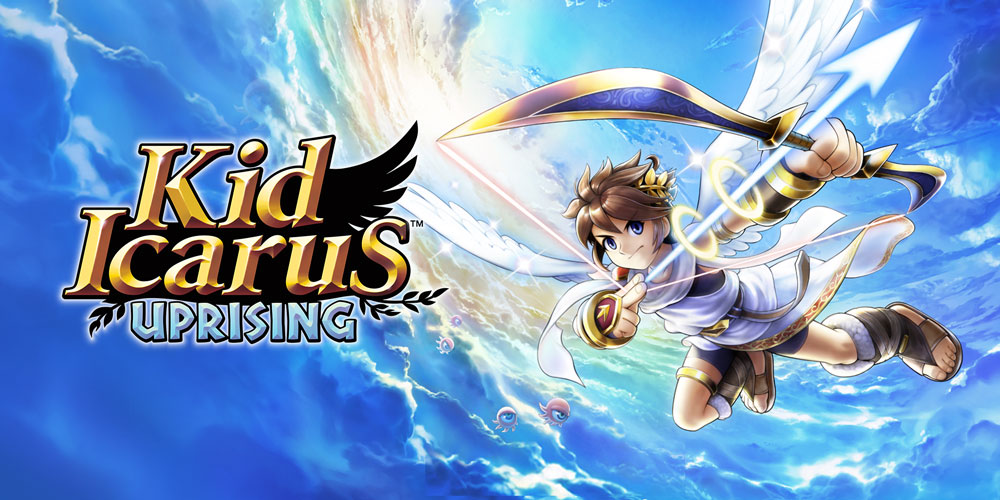
The same interview gives his broader method: remove the surrounding conventions, identify the enjoyable core and rebuild around it. He discusses Meteos’ launching blocks as another example, then Kid Icarus: Uprising, released in 2012 by Project Sora and Nintendo. Uprising combines flight, ground combat and a lively character conversation with a player-chosen intensity. Its stylus control also reveals the cost of novelty: a coherent design can still demand a physical adjustment from the person trying to enjoy it.
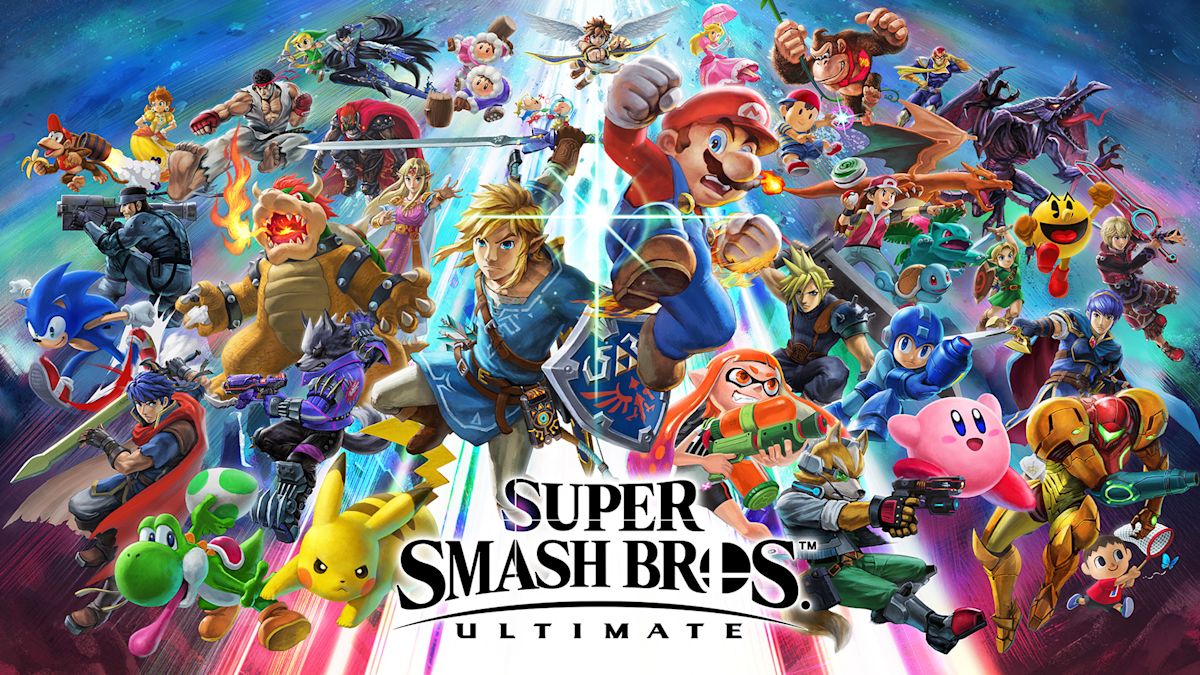
Super Smash Bros. Ultimate brought the series to Switch in 2018 with its returning fighters and subsequent DLC additions. Sora, Bandai Namco Studios, Nintendo and many rights holders made that scale possible. The crossover is an enormous coordination problem, but the most immediate work remains small: make a movement recognisable, make a hit feel right, let the player understand what just happened.
Sakurai’s public presentations give that work another form. A demonstration can explain a character’s mechanics, show a useful situation and preserve the pleasure of discovery. The games remain open to different kinds of gatherings, from a chaotic family match to disciplined competitive play. Their richness should not be confused with a requirement to master everything. Choose one fighter, return to a familiar rule set, and let the expressive range appear through use.
Masahiro Sakurai on Creating Games began in 2022 and completed its main series with a finale in October 2024. The short lessons move between design, programming, graphics, animation, sound and team practice. The creator is especially useful when he demonstrates a small change whose effect can be felt immediately. A broad ambition becomes a concrete adjustment a viewer can try.
The finale turns the teaching project into a production account of its own. Scripts, recording, editing and translation must be planned, funded and finished, just as a game needs a workable process. The archive remains available to study. Pair a lesson with a game rather than simply consuming advice: inspect an example, make a small experiment, and decide whether the proposed principle helps the experience you are actually building.
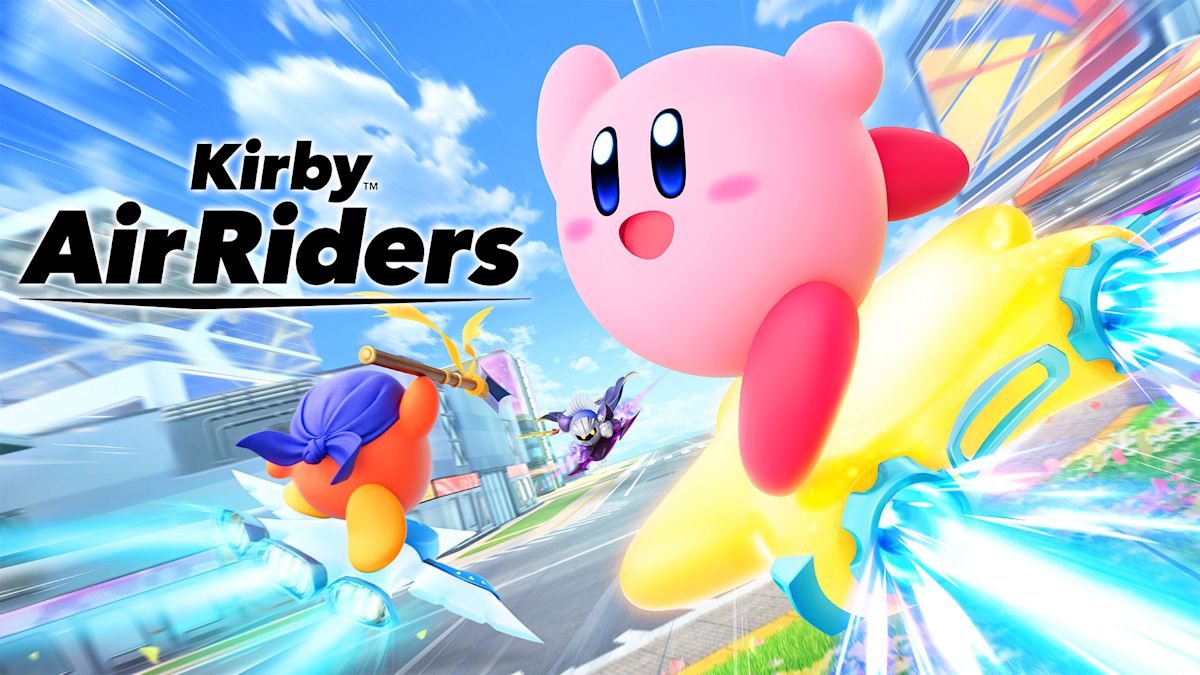
Kirby Air Riders released for Nintendo Switch 2 on 20 November 2025, returning to the unusual racing structure more than twenty years after Air Ride. The new game gives its many riders and machines distinct qualities while expanding the sandbox of City Trial. It is a sequel made with Sora and Bandai Namco Studios, not a remake of the original GameCube release.
Sakurai’s 2026 development articles make the cheerful spectacle specific. Different numbers of limbs and body proportions mean animations cannot simply be reused. Allowing riders to dismount creates another set of motions to build; choosing a movement-based Copy Ability changes both workload and balance. He describes wanting the game to remain enjoyable when people gather years later. That long view brings the profile back to its beginning: an inviting encounter is carefully made, and its deeper rewards should still be there when the player returns.