The book in formation
Two excavations changed what “the Laozi” could mean. In 1993 a tomb at Guodian, in Hubei, yielded about 800 bamboo slips; the tomb is dated to around 300 BC. Three groups of slips carry Laozi material, about 2,000 characters in all, and their sequence differs from the received book: the second group runs through what are now chapters 59, 48, 20, 13, 41, 52, 45 and 54. Robert Henricks’s translation sets each Guodian line beside the later versions. His publisher presents the find as evidence that the text grew through several authors and editors over centuries; some received chapters are absent and others incomplete.
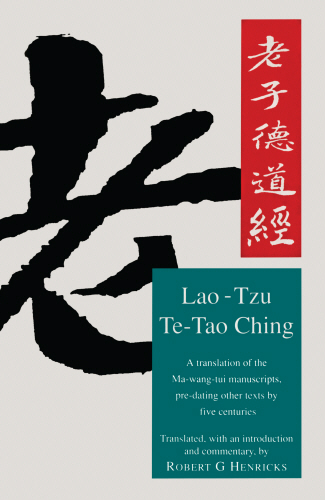
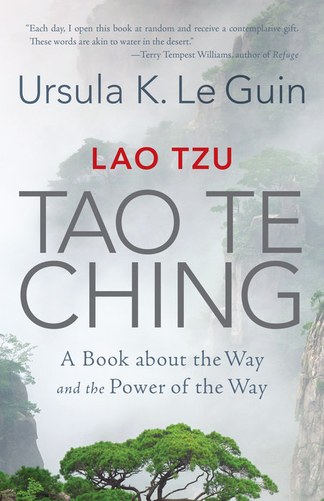
At Mawangdui, near Changsha, archaeologists in 1973 found two silk copies, known as A and B, in a tomb sealed in 168 BC; copy A was probably made before 195 BC. Both begin with the De section, the received chapters 38–81, and only then give the Dao section. Henricks accordingly called his translation Te-Tao Ching, and the jacket of the Rider edition prints 老子德道經 in that order. The silk section shown below appears to open the Dao half: lines resembling the received chapters 1–7 can be made out among its columns. The manuscripts show a text that was still being arranged as well as copied.