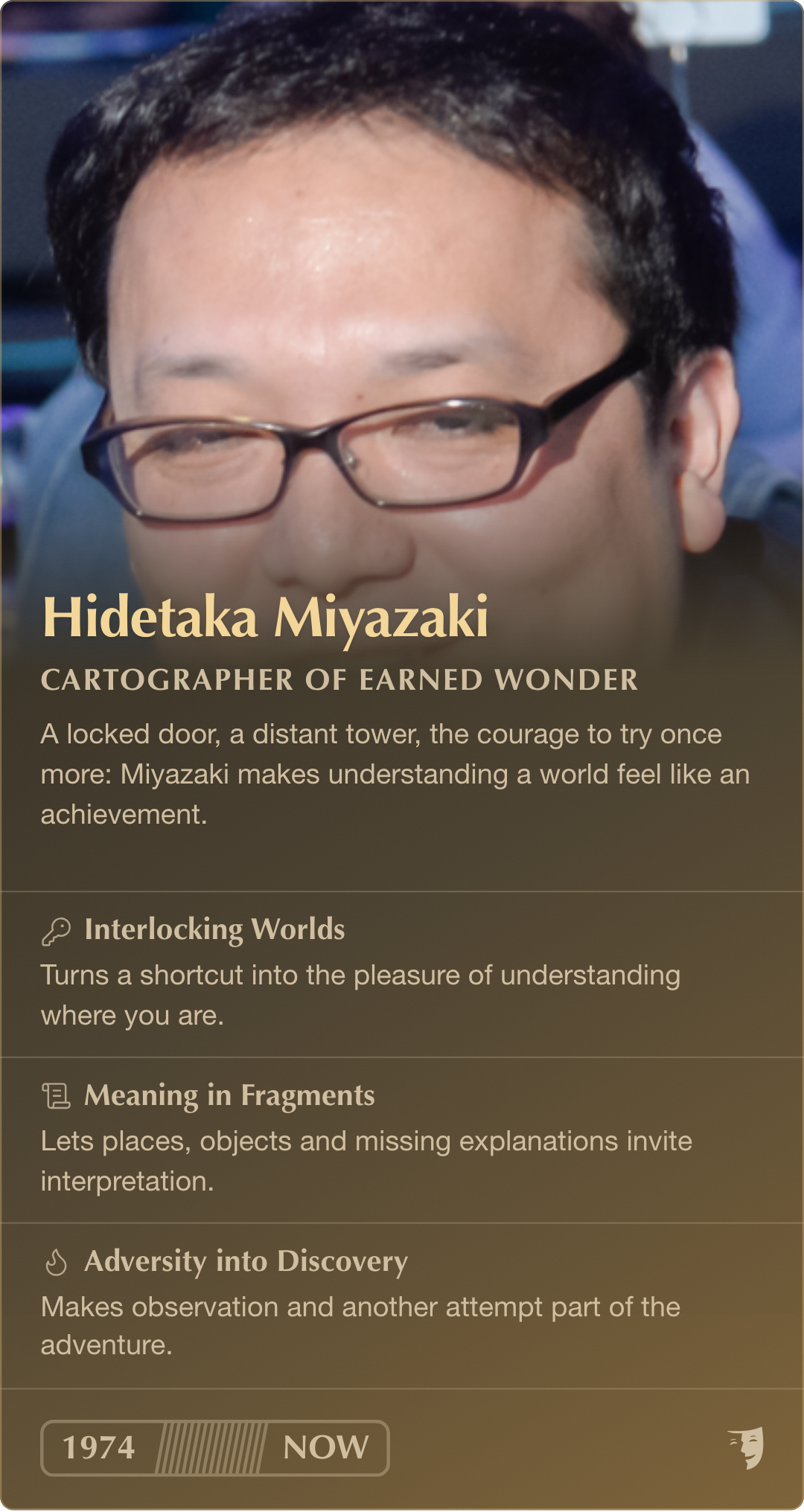
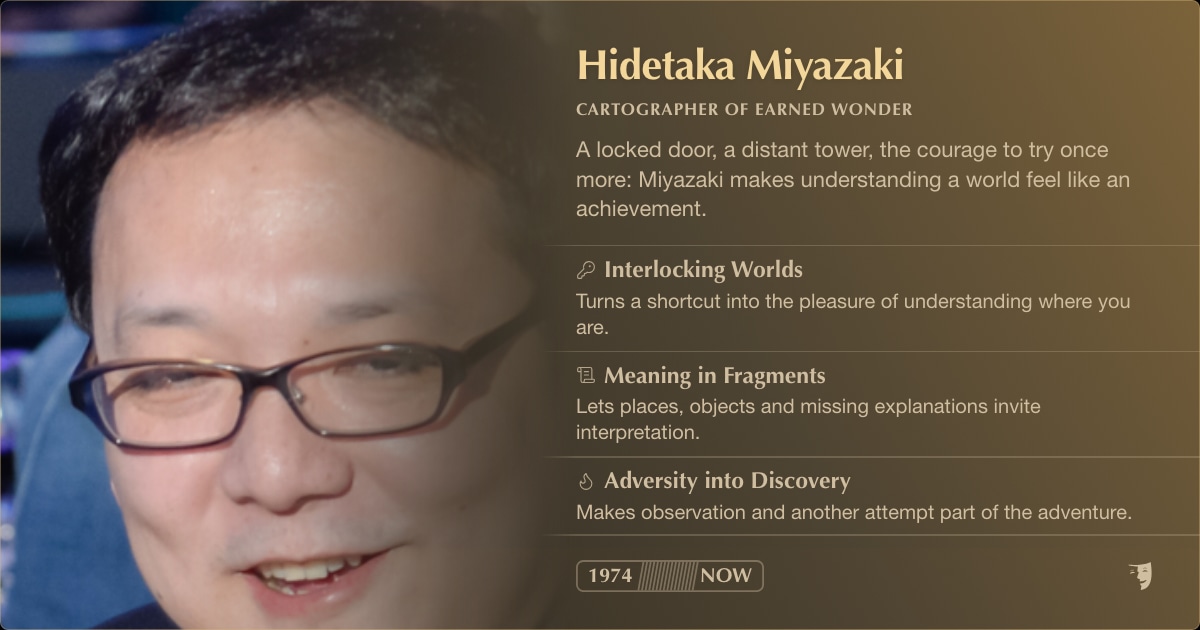
Miyazaki’s worlds reward a wary kind of curiosity. A menace on the horizon may be a route for later; a description on a broken object may change how you understand a kingdom. His direction joins difficult encounters to geography, atmosphere and incomplete histories. The invitation is to become more observant—and to discover that asking another player for help can belong to the adventure.
2006–2008
A machine finds a new kind of movement
Before the bonfires, Miyazaki worked on Armored Core. He tells 4Gamer that Armored Core 4 began with him as lead planner, responsible for world, story and game-system ideas including quick boost, before he became director during the prototype. Released in Japan in 2006, the game rebuilds movement around exceptionally agile machines. Assembly is an invitation to think with parts: a choice made in the garage becomes a speed, a reach or a limitation during a mission.
Armored Core: For Answer followed in 2008 under his direction, with more parts and immense Arms Fort enemies. He recalls working on it alongside Demon’s Souls. Put the two early games beside the later fantasies and a broader interest appears: the body you control determines the kind of attention a world asks of you. A machine can make scale exhilarating through speed, while an unprotected adventurer can make a short corridor feel enormous. The career begins with both possibilities, made by teams carrying an existing series forward.
2009
Learn the danger; retain the knowledge
Demon’s Souls was already in development when Miyazaki took over its direction. In his 2014 conversation, he remembers an early prototype very different from the eventual game, and arguing for a third-person camera to support battle and exploration. A perspective is more than where an image is drawn from: it shapes which dangers can be read and how a player understands their own vulnerable body in relation to them.
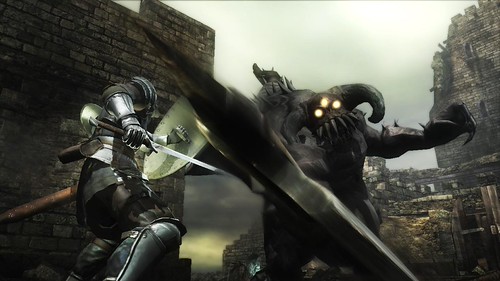
Demon’s Souls, first released in Japan in February 2009, makes loss a practical possibility. Souls can be risked on another journey, while knowledge survives a failed attempt. The archstones offer separate dangerous routes from a shared hub. Other players leave traces and, when systems permit, cross into one another’s worlds. The tension is not only whether you are strong enough: it is whether you have noticed what the place is trying to teach you.
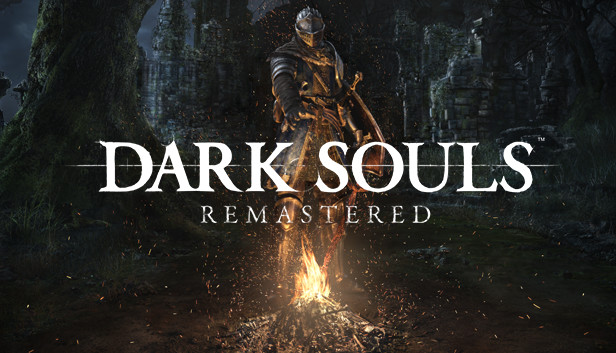
Dark Souls turns those journeys into a closely connected geography. A lift or opened gate can collapse a long, anxious expedition into a place already known. In the contemporary PlayStation conversation, Miyazaki emphasises a seamless world and the pleasures of exploration. Returning to a bonfire changes your situation, but remembering how the spaces fit changes you as a player.
FromSoftware’s original staff PDF records him as Director / Producer, followed by the many people and partners who made the game. Its design is equally collective: environments, animations, encounters and sounds must make danger legible without exhausting its uncertainty. The story arrives partly through what has been left behind. Read an item after visiting its apparent home and a small piece of language acquires a physical location. Interpretation becomes another form of navigation.
Bloodborne brings the player into Yharnam with a sharper demand to move toward danger. Its health-recovery window rewards a return strike, and its weapons change form. Miyazaki’s 2015 interview connects horror with exploration: not knowing what lies ahead gives an encounter significance. The city’s surfaces encourage one expectation while its deeper revelations continually unsettle the account you have assembled.
Dark Souls III followed in 2016, working with a directing team and a world burdened by its own repeated imagery. These two games are useful to compare at the level of a single fight: the time allowed to retreat, the posture of an enemy and what recovery asks from the hands. Exact authorship matters here. Miyazaki did not direct Dark Souls II; his studio leadership and supervisory involvement do not make that earlier sequel his directed work.
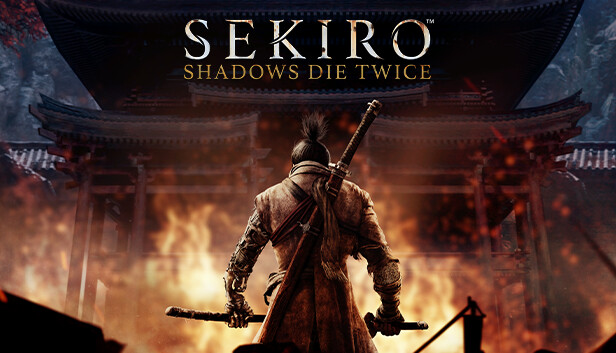
Sekiro gives the player a named shinobi and centres combat on pressure and deflection. A grappling hook changes which surfaces count as routes; posture changes which exchanges count as progress. The game makes a smaller set of bodily skills carry more of the experience than the broad character-building possibilities of Souls. Its relatively direct character story supports a different kind of attention.
Miyazaki explains resurrection as a way to preserve tempo when a fighter is acutely vulnerable. Dying and standing up again can become a tactical opportunity inside the encounter, rather than only a walk back from a checkpoint. That explanation joins mechanical and narrative decisions without claiming that resurrection makes the game easy. Practice the timing of an ordinary opponent and the distinction becomes concrete: confidence grows from learning a rhythm, not only from accumulating better equipment.
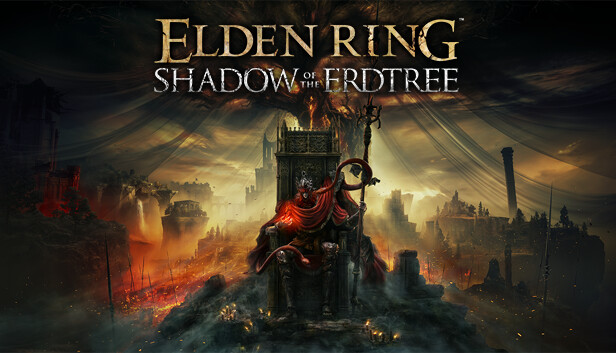
Elden Ring expands the field of choice. You can follow a road, investigate a ruin or postpone the opponent who initially seemed to block progress. Miyazaki’s 2022 interview identifies freedom and pacing as the central challenges of that expansion. George R. R. Martin supplied a historical mythos and grand figures; FromSoftware transformed that inherited past into the damaged world encountered during play.
The open land offers relief as well as danger, while enclosed castles keep the pressure of carefully arranged space. Shadow of the Erdtree, released in 2024 as an expansion, makes a new landscape feel densely folded through changes of elevation and concealed connections. Its content requires the base game and progression within it. Treat the two as a continuing journey: the experience depends on what you already recognise, and on the pleasure of discovering how the new region is actually put together.
Nintendo’s Creator’s Voice identifies Miyazaki as director of The Duskbloods, a multiplayer project whose announced characters and relationships are organised around blood histories. He explains that its PvPvE structure allows new kinds of encounters, and explicitly says the studio intends to keep developing games focused on single-player experiences. An experiment in one project is not a promise that every future game will follow it.
The official site records network-test activity in 2026 and still lists a planned 2026 release at the 5 October check; it does not establish a finished game or an exact launch date. Elden Ring Nightreign belongs to another director, Junya Ishizaki, and is not added here as Miyazaki’s directed work. The distinction leaves his achievement clearer: a recognisable practice can continue while colleagues develop their own projects, and the player can follow each game on the strength of its actual decisions.