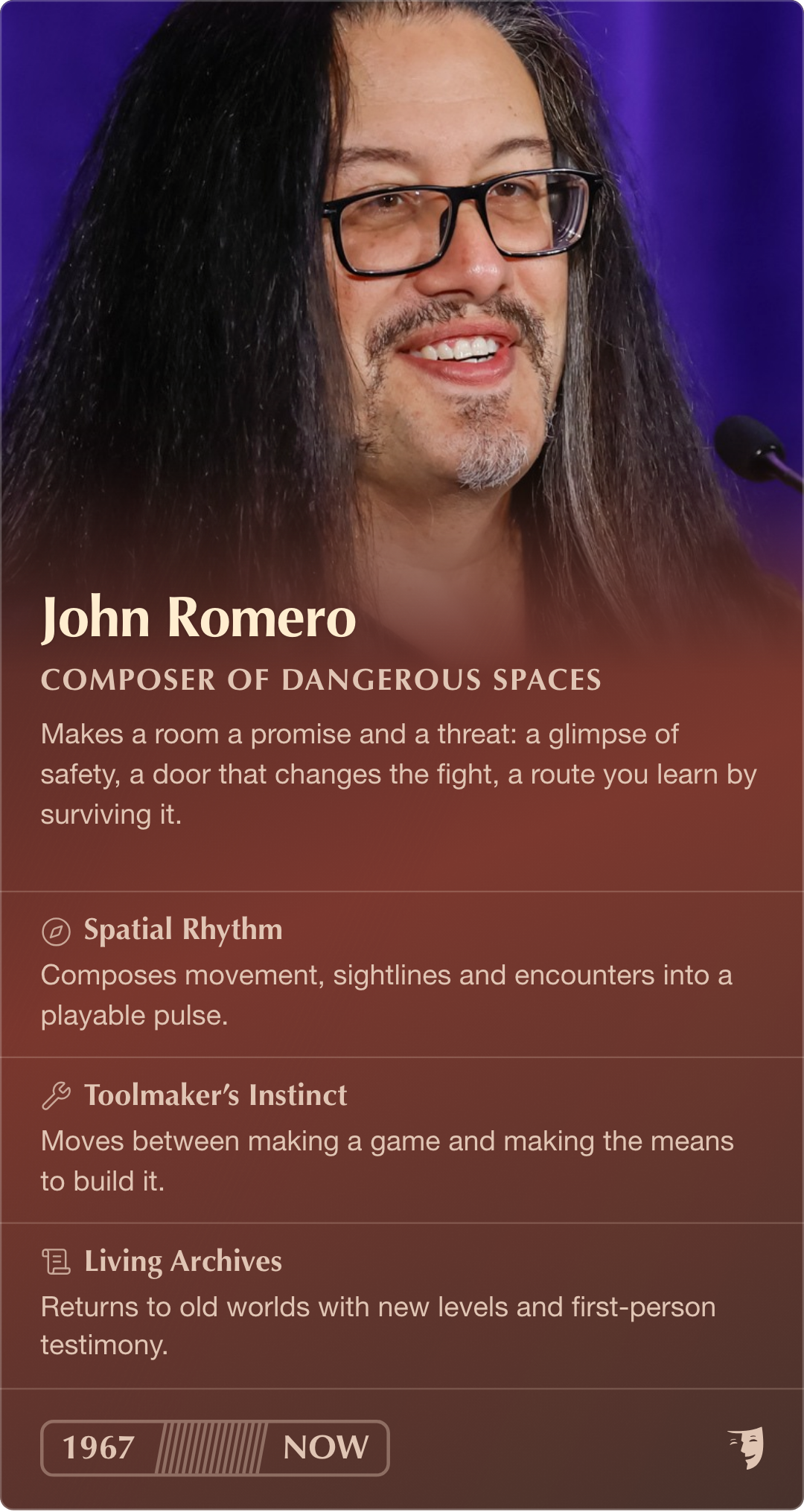
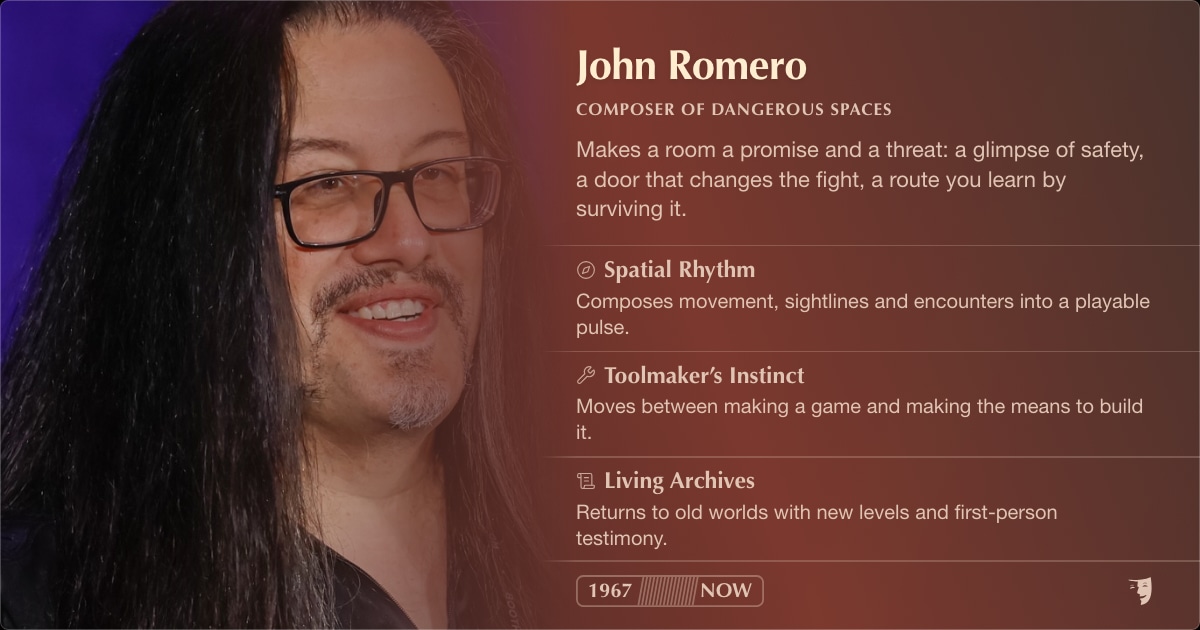
John Romero’s signature is often easiest to read in a room. A route doubles back, a glimpse tempts you onward, a fight changes when a door opens. His work at id Software joined that spatial intelligence to a team’s engines, images and sound. The career also contains overreach, changes of scale and a remarkable return to making new levels for old games. Read it as the life of a working designer, not a succession of invulnerable legends.
1979–1988
A game at the end of an article
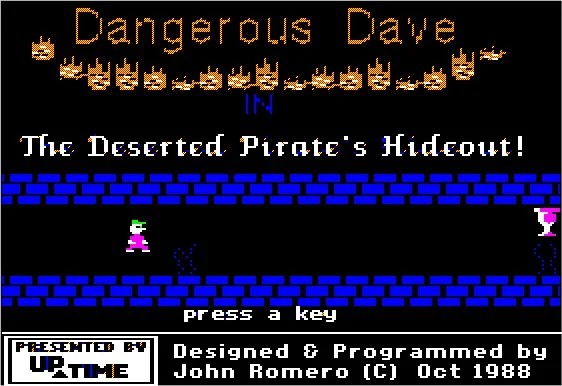
Romero’s own biography begins with mainframes and then the Apple II. His history of Dangerous Dave supplies a more intimate scene: freelance programming and writing after work, with an example game made for an UpTime disk-magazine article. The 1988 Apple II original belongs to that culture of tools, code and playable demonstrations travelling together.
His archive is unusually useful because it separates the different Dave games. A familiar character or a collection bearing his name does not mean every sequel was his design or program. Start with the original title screen and small rooms. There is already a practical interest in how a player reads danger and opportunity, long before the corridors that made his name famous.
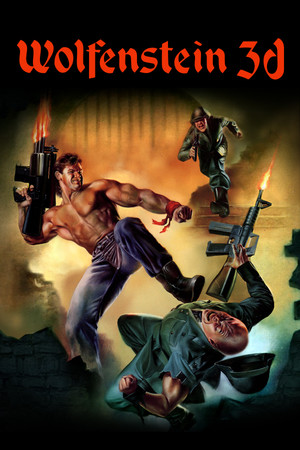
Wolfenstein 3D was a collective breakthrough at id Software. Romero’s retrospective follows the founders through a short production, with programming, design, art and company-building tightly entangled. The useful object of attention is the released game: the player’s ability to enter, read a threat and move is immediately legible.
Its architectural limits are visible. Rooms meet at right angles and repeat a clear vocabulary. Compare those spaces with the next year’s DOOM before calling the difference merely better graphics. A new engine opens possibilities, but someone must arrange them into a sequence you can feel. Romero’s part of the story lives in that passage from technical capacity to the rhythm of play.
DOOM makes space dramatic through lifts, changing heights, windows and routes that reveal the same place again. Romero contributed design, levels and programming; John Carmack’s engine work and the other designers, artists and sound contributors are essential to the result. The Hall–Romero postmortem is a useful companion because it keeps more than one participant in view.
Play the first episode slowly enough to notice the invitations embedded in its speed. A courtyard can be seen before it is entered; a resource can draw you into an exposure you have not yet measured. DOOM II changes the conversation with a wider range of enemies. Different combinations make familiar weapons and familiar cover demand new decisions. The level designer is composing relationships, with the player supplying the performance.
1996
Go under it; come back above
Quake gives the player fully three-dimensional spaces and a heavier, stranger atmosphere. Romero’s E1M1 sketch survives in his personal archive. Put that drawing beside a journey through the built level and you can inspect the craft directly: what a plan promises, where a route turns, how one space is revisited from another position.
The game again belongs to a team. Its engine, art, sound and levels cannot be compressed into one famous name. Romero’s recollections also describe a difficult development, which makes the finished confidence of those spaces more interesting. A coherent work can emerge from a turbulent process. The archive lets us study the decisions without pretending that every abandoned idea made it into the release.
2000
Ambition meets its own machinery
Daikatana is the chapter a serious portrait has to keep. At Ion Storm, Romero’s lead design expanded toward time travel, companions and a larger authored adventure. It makes a revealing comparison with the earlier shooters: adding a system also adds things the player must understand, trust and wait for. More ambition does not automatically create a clearer experience.
The memoir is the place to follow the business and personal account in depth. In the game itself, ask a narrower, productive question: how do companions and changing settings alter the rhythm that was so direct in DOOM? This shelf presents the PC work, while the Game Boy Color adaptation remains a separate design. The career can accommodate a difficult release without either erasing it or making it the whole story.
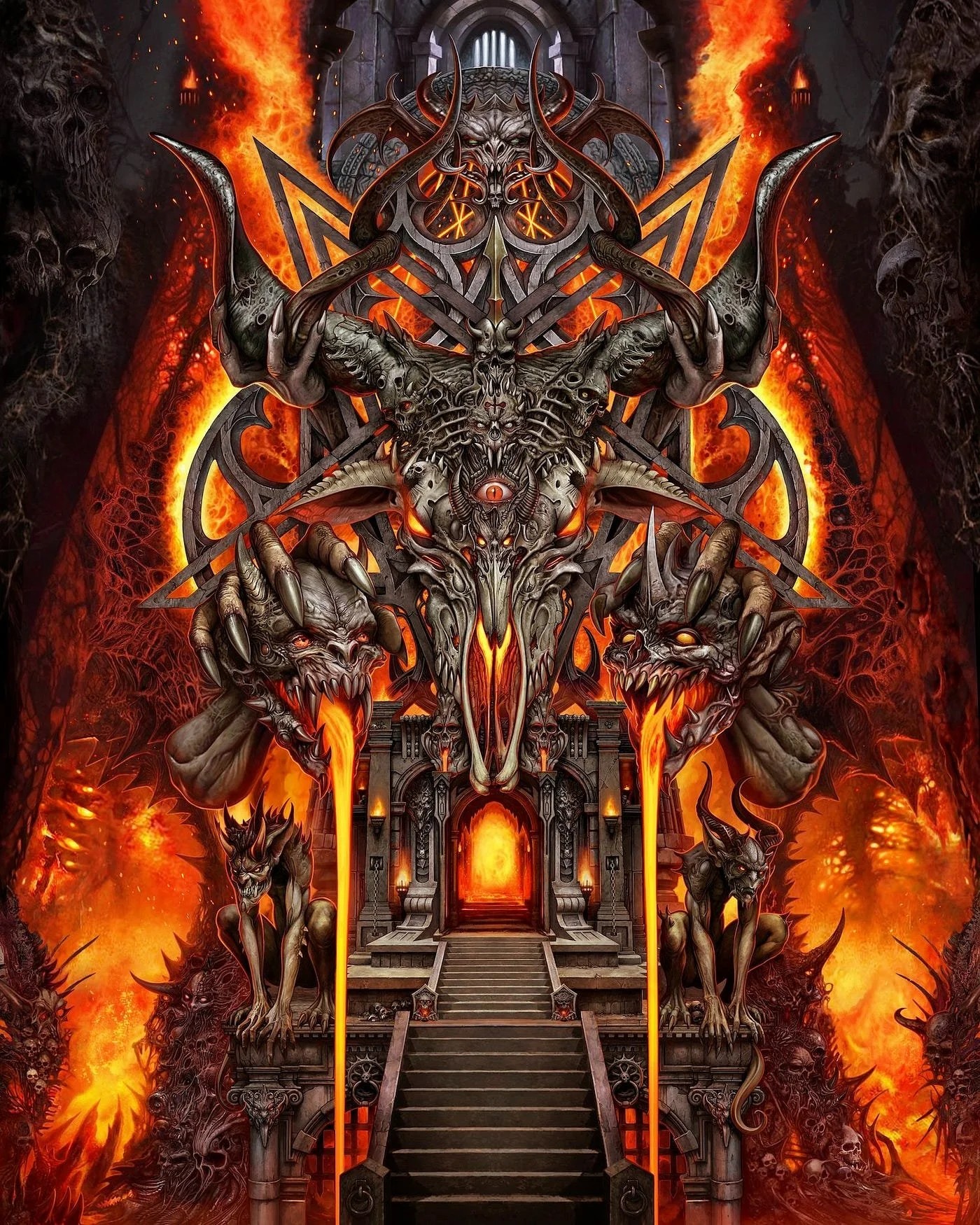
SIGIL and SIGIL II return Romero to making levels for the original DOOM. The constraints are familiar; the encounters are new. The restricted footing and danger of the first SIGIL invite attention to the geometry of survival. Its successor, released on 10 December 2023, continues that conversation rather than requiring a newly invented engine to justify the work.
The editions matter. The free megawads require registered DOOM data; the paid music packages and collectible boxes add material with its own creators and rights. Christopher Lovell supplies the cover artwork, while Buckethead and THORR are credited for the respective premium music. The return is a satisfying correction to the myth that creative life must always move outward in scale: an old instrument can still produce a demanding new composition.
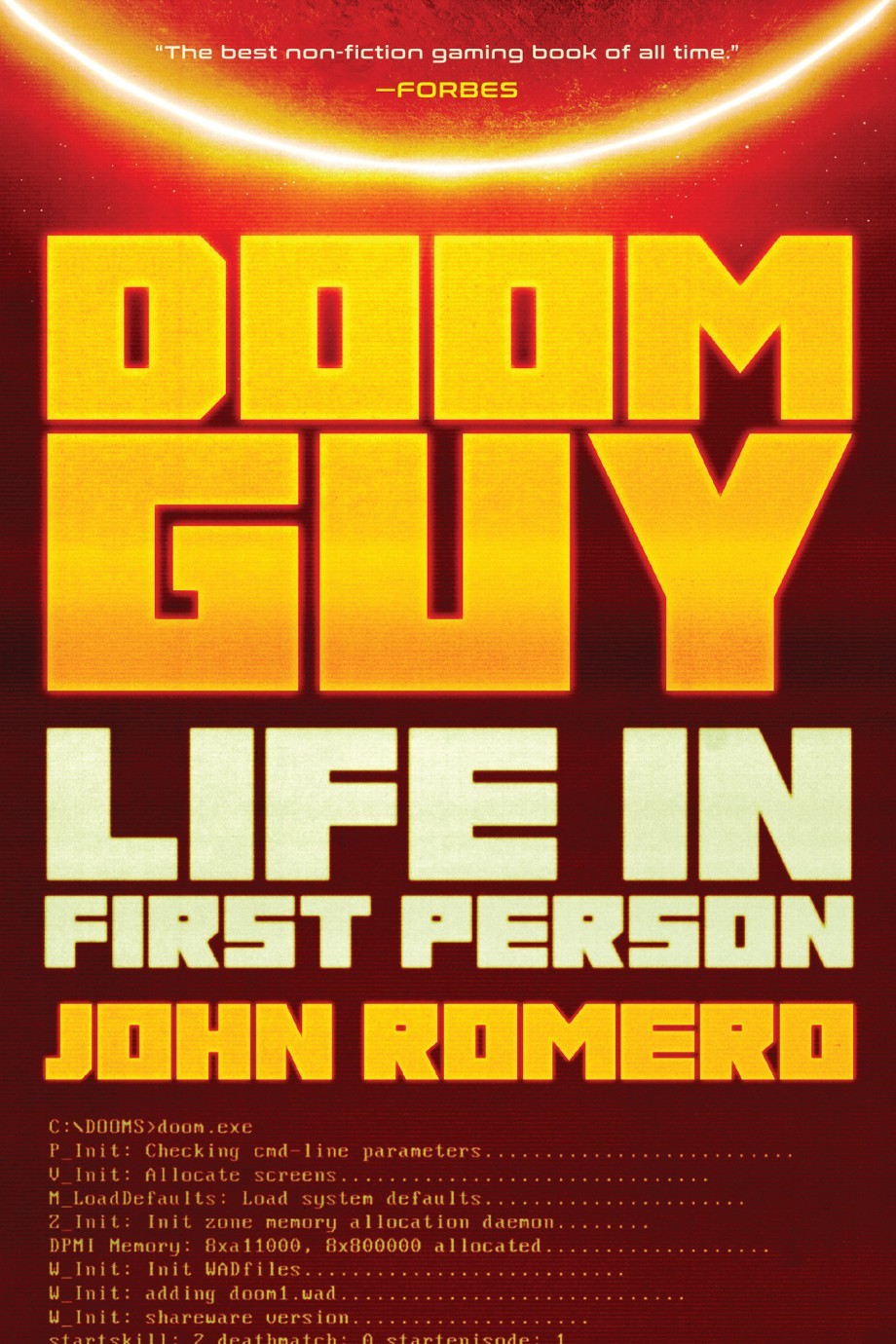
DOOM Guy places the games back inside a life of programming, partnerships and studio decisions. Its value is the particularity of a participant’s account, including events that a tidy retrospective timeline would smooth away. Read it with the public sketches and postmortems nearby; memories and surviving artifacts illuminate each other without becoming interchangeable.
Romero’s continuing archive also offers a way into the work that does not depend on chasing a new release. A player can inspect a plan, revisit a level and then attempt a small map of their own. The source releases belong to id’s technical history and have their own credits and licenses. Between those materials and the new DOOM episodes, the past remains something people can use, not only something they can admire.