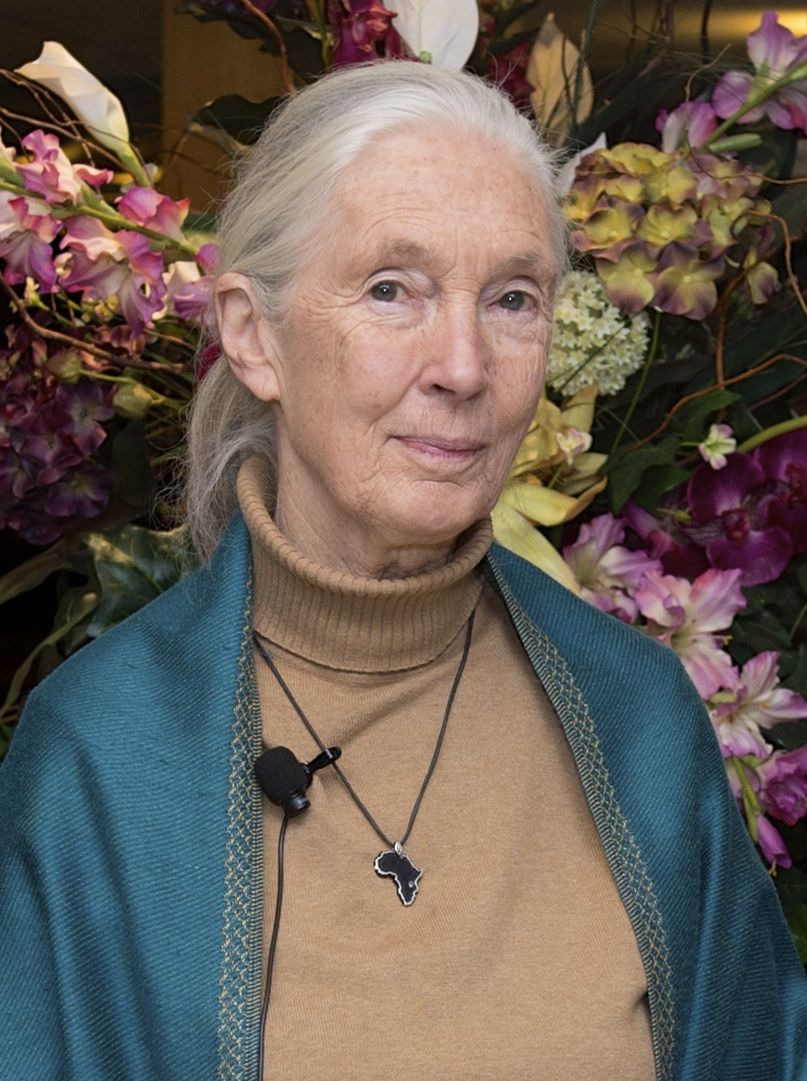
Jane Goodall in Washington in 2015, wearing a green scarf.

Jane Goodall

Chimp Watcher Without a Degree

She arrived at Gombe in 1960 with no degree and her mother for company, saw a chimp strip a twig to fish for termites, and gave her subjects names, not numbers.

Termite Fishing
Catches a chimp stripping a twig to fish termites from a mound.
Names, Not Numbers
Knows Flo, Fifi and David Greybeard as individuals.
Roots & Shoots
Turns her fame into a youth movement and community projects.

Jane Goodall

Ethologist & Conservationist

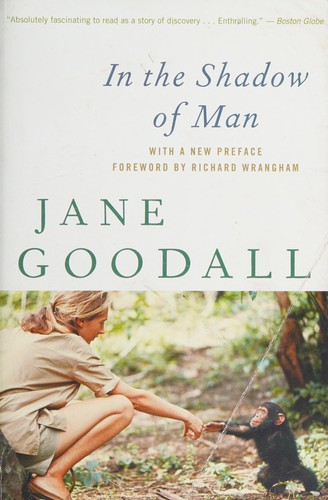
Start hereIn the Shadow of ManBegin with her first sustained account of Gombe: named individuals, family relationships and the making of a field study. Continue with Through a Window for what decades of observation changed.Explore book

A notebook, binoculars and years of return visits made chimpanzee society visible in a new way. Follow Goodall from the patient work of recognising individuals to a harder question: how to protect a forest without asking the people around it to disappear.

1934–1959

A childhood promise

Jane Goodall was born in London in 1934 and grew up largely in Bournemouth. Her interest in animals preceded any professional route to studying them. She saved for a journey to Kenya, where Louis Leakey offered her a place in a research project concerned with human origins. Watching living apes might reveal something that fossils could not: how relationships, learning and daily decisions organise a life.

There was no undergraduate degree behind her when she began. That absence did not make preparation unnecessary; it meant she would have to learn fieldwork and scientific argument in practice. In her own early account, the expedition is already less solitary than its later legend: her mother Vanne accompanied her to Gombe, alongside the camp’s cook Dominic and his wife.

1960

Watching at Gombe

She arrived at Gombe, in what was then Tanganyika, on 14 July 1960. At first the chimpanzees fled. Repeated visits gradually brought her close enough to recognise individuals and record their behaviour. David Greybeard, Flo and Fifi became entries in a growing history of relationships, rather than interchangeable examples of a species.

The famous discovery was small enough to miss: a chimpanzee stripped leaves from a twig, inserted it into a termite mound and withdrew insects clinging to it. A natural object had been altered for a task. Goodall’s reports described tools worn down, replaced and sometimes carried between mounds. These were observations to compare and investigate, not a claim that every human distinction had vanished.

Her 1963 National Geographic account offers an unusually direct entrance into the fieldwork. Set its descriptions beside the later books: a first report captures discovery, while a long study can expose patterns—and overturn first impressions.

My life among wild chimpanzeesHer original report, republished with Hugo van Lawick’s photographs. Read the early observations beside the longer books; the historical language and conclusions belong to their time.Read the archival article
1986–1991

From field scientist to advocate

The Chimpanzees of Gombe: Patterns of Behavior appeared in 1986, gathering years of work into a substantial scientific account. At a chimpanzee conference that year, reports of threatened habitats and captive conditions changed the scale of Goodall’s task. Understanding the animals could not secure their future by itself. She began spending much more of her life speaking, organising and negotiating beyond the forest.

Through a Window, published in 1990, is a useful bridge between the field study and that wider commitment. Read it after In the Shadow of Man to encounter relationships unfolding over decades rather than a single season. In 1991, conversations with young people in Tanzania led to Roots & Shoots. Its projects connect care for animals, people and the environment; participation becomes a practical route onward from the books.

Through a WindowReturn to Gombe over thirty years to follow individual lives and relationships across generations.Explore book

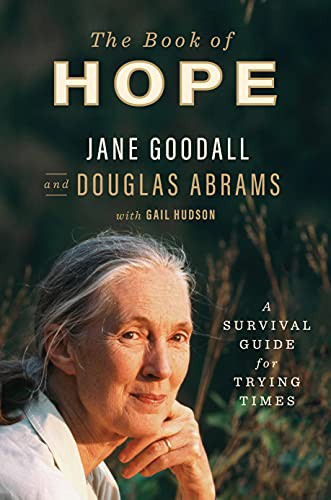
Books by Jane Goodall

In her voice