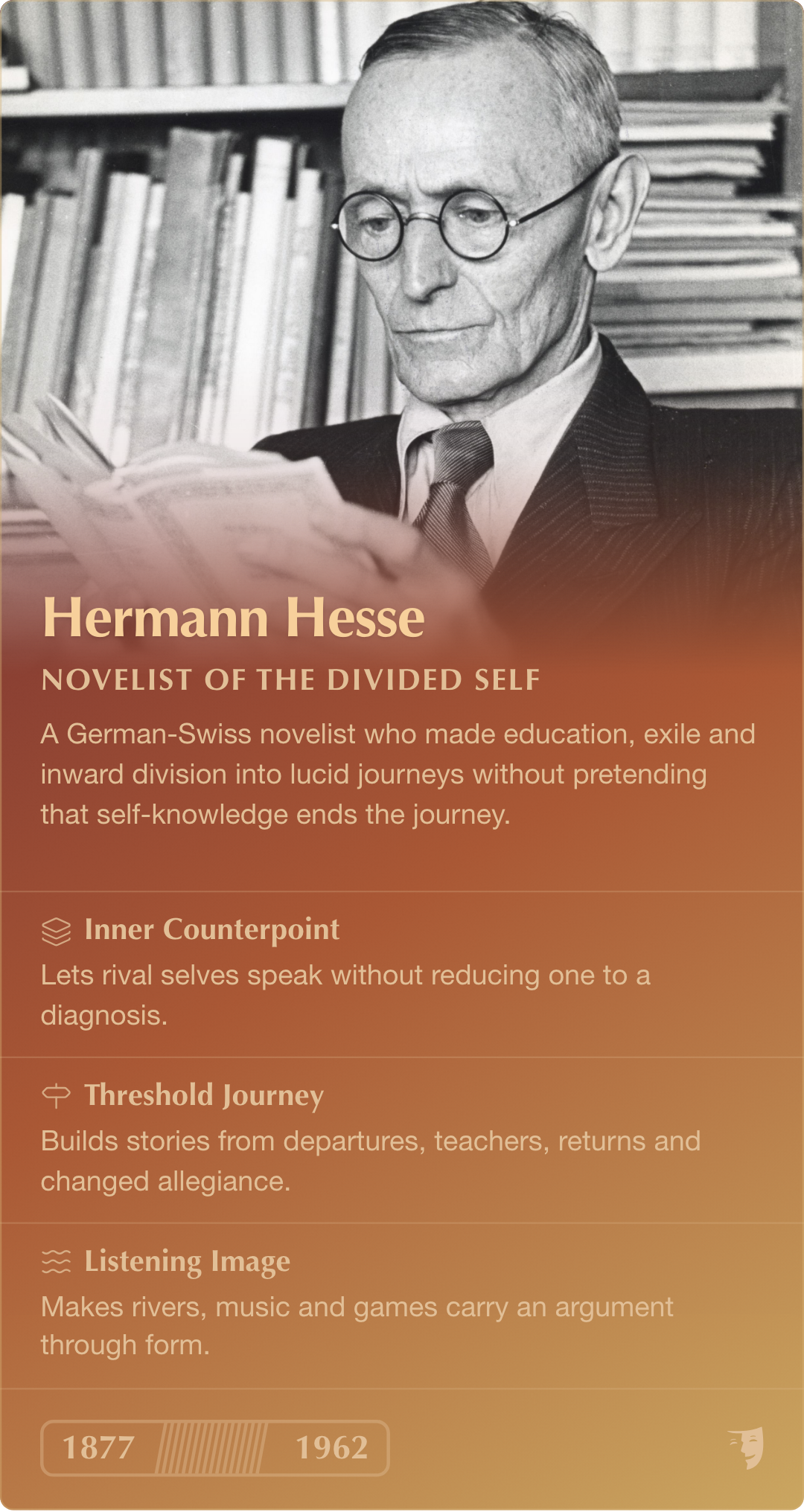
Hermann Hesse’s wanderers keep discovering that the self they meant to perfect is plural, implicated in other lives and unfinished. His clearest novels are invitations into that difficulty: spare enough to welcome a first reader, formally shrewd enough to change under rereading.
1877–1904
Escape, apprenticeship and a first public voice
Hesse was born in Calw into a Protestant missionary and publishing family whose histories reached through southern Germany, Switzerland, the Baltic and India. At fourteen he entered the Maulbronn theological seminary, fled after a few months and passed through schools, a clinic and a brief mechanics apprenticeship before finding steadier work in Tübingen and Basel bookshops. The conflict was larger than youthful rebellion: adults had designed a vocation for him, while he insisted on becoming a writer.
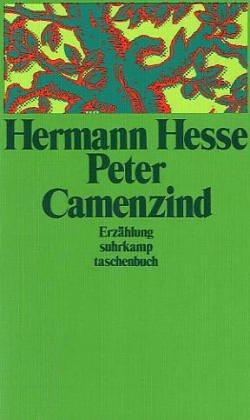
Peter Camenzind brought the first major success in 1904. Its mountain-born writer enters cultured society, recoils from it and learns belated care through friendship. Hesse’s recurring plot is already visible, but not yet solved: departure may rescue a person from conformity, and it may also become an alibi for avoiding other people.
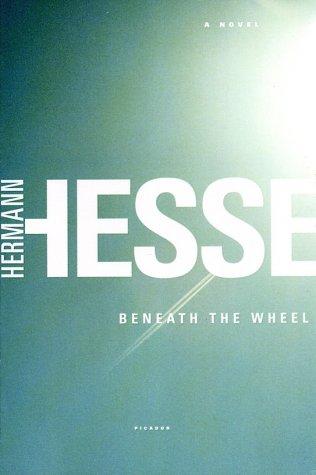
After marrying the photographer Maria “Mia” Bernoulli, Hesse settled at Gaienhofen, where their three sons were born. He wrote as a freelance author while domestic and artistic ambitions pulled against one another. Beneath the Wheel transforms the pressure of his own schooling into Hans Giebenrath’s story, tracing how family pride, examinations, teachers and a narrow theology cooperate in exhausting a gifted child.
Hesse travelled with the painter Hans Sturzenegger in 1911 through Ceylon, Malaya and Sumatra—a South and Southeast Asian journey often shortened misleadingly to an “India trip.” Family inheritance, reading and travel all fed his later Asian settings. That does not turn Siddhartha into ethnography; the distinction matters because the novel’s spiritual geography is a European literary construction with Indian sources.
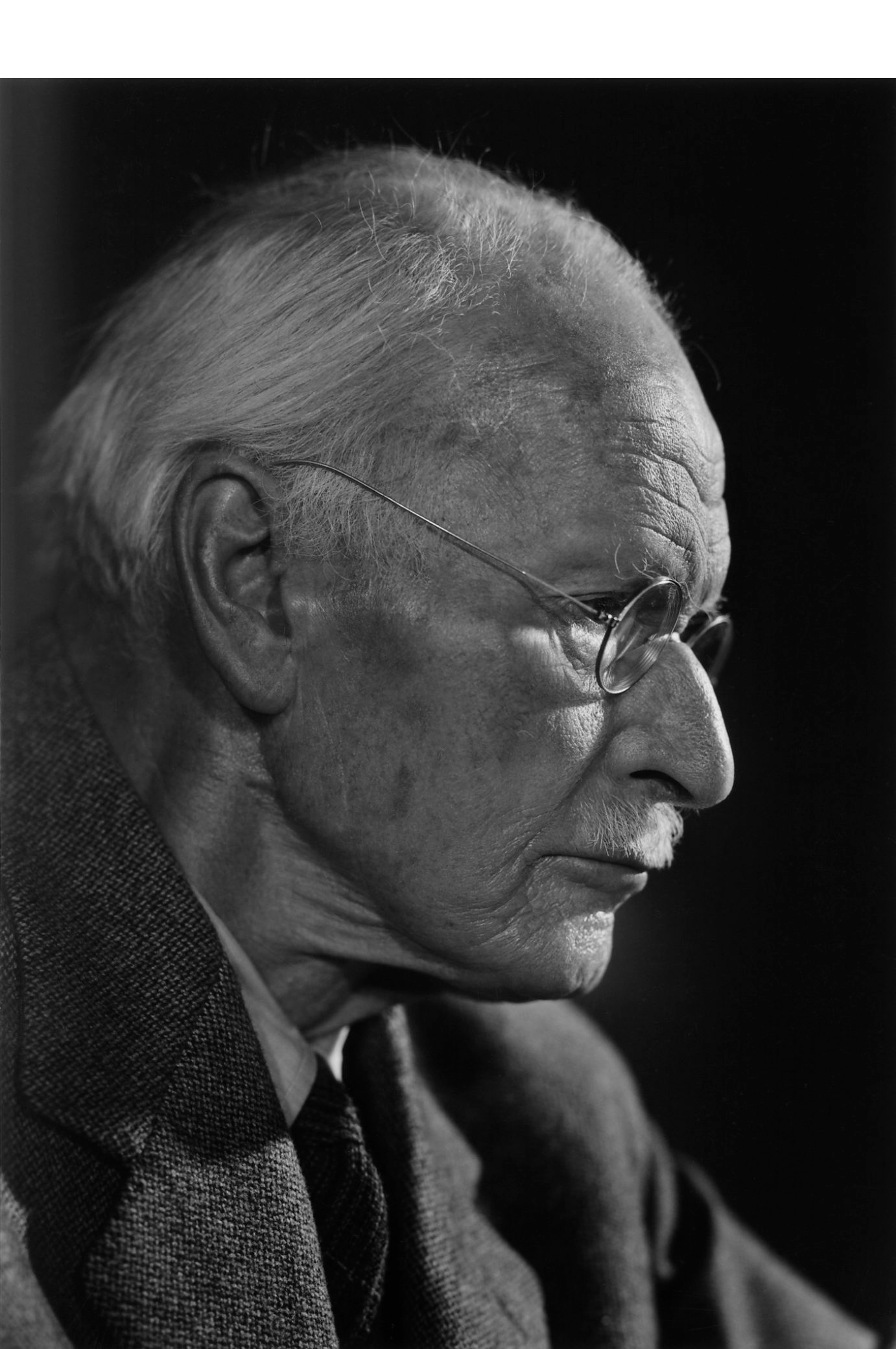
Living in neutral Switzerland during the First World War, Hesse published anti-war essays and organised a centre that supplied books to German prisoners of war. Public hostility followed. At home, his father died, a son became seriously ill and Mia’s mental illness intensified an already damaged marriage. Hesse interrupted the relief work for treatment and completed seventy-two sessions with the physician and analyst Josef Bernhard Lang, an associate of C. G. Jung.
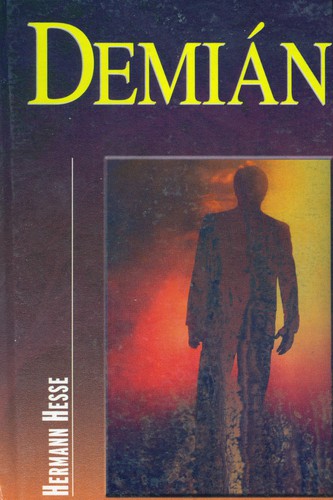
Demian emerged from that crisis under the name Emil Sinclair. Its technique is not a case history with fictional labels: symbols recur before the narrator understands them, teachers become doubles, and the “two worlds” of childhood morality fail to contain experience. Lang is a material collaborator in Hesse’s development, while Hesse’s transformation of analysis into fiction remains his own craft.
Hesse moved alone to Montagnola in 1919; the marriage to Mia ended, and his brief second marriage to the singer Ruth Wenger also failed. He painted watercolours as well as writing. Siddhartha gives its seeker teachers, wealth, desire and ascetic discipline, then refuses to let borrowed doctrine complete the journey. The river’s force is formal: different times and voices are heard together rather than arranged as a ladder of discarded mistakes. Narcissus and Goldmund later turns the same pressure into a friendship between contemplative discipline and sensuous artistry, neither able to complete the other.
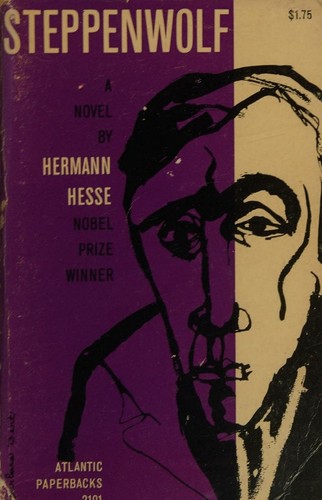
Steppenwolf makes the divided self harsher and more comic. Harry Haller believes he is man plus wolf; the Treatise and Magic Theater multiply him beyond that flattering opposition. Jazz, dance and Hermine interrupt the solitary intellectual’s account of himself. The novel asks for sympathy without ratifying his contempt for bourgeois life or his tendency to turn women into guides for a male crisis.
In 1931 Hesse married the art historian Ninon Dolbin and began the long work that became The Glass Bead Game. From Switzerland he helped some persecuted writers and opposed National Socialism; German authorities treated his books as undesirable, and the final novel first appeared in Switzerland in 1943. Ninon provided the durable household within which the late work was completed and later helped preserve his legacy.
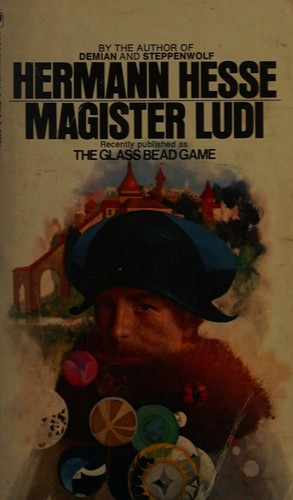
The Glass Bead Game invents Castalia through an apparently reverent institutional biography, then tests its exclusions. Joseph Knecht masters a game that joins music, mathematics and cultural memory, yet he comes to doubt a scholarship insulated from politics, family and schools beyond its borders. The Game is never fully specified. Its elusiveness makes the reader judge the ideal and the evasion carried by the same beautiful system.
The 1946 Nobel Prize recognised a body of work that had grown through formal and moral revisions rather than one stable doctrine. Hesse spent his later years in Montagnola answering an enormous correspondence, writing poems and short prose, and painting. The books reached a new international youth readership after his death, especially readers drawn to refusal, inward experiment and East–West encounter.
A useful deeper path moves from Siddhartha to Demian, then Steppenwolf and The Glass Bead Game. Keep two cautions beside the pleasure: Hesse’s women too often serve a male seeker’s development, and Siddhartha combines traditions around an individual quest that is Hesse’s own. Read the novel as a work of world literature, then read Buddhist and Hindu sources on their own terms.