Five families, a builders’ yard and a block press
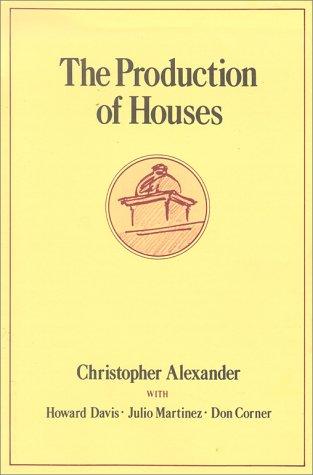
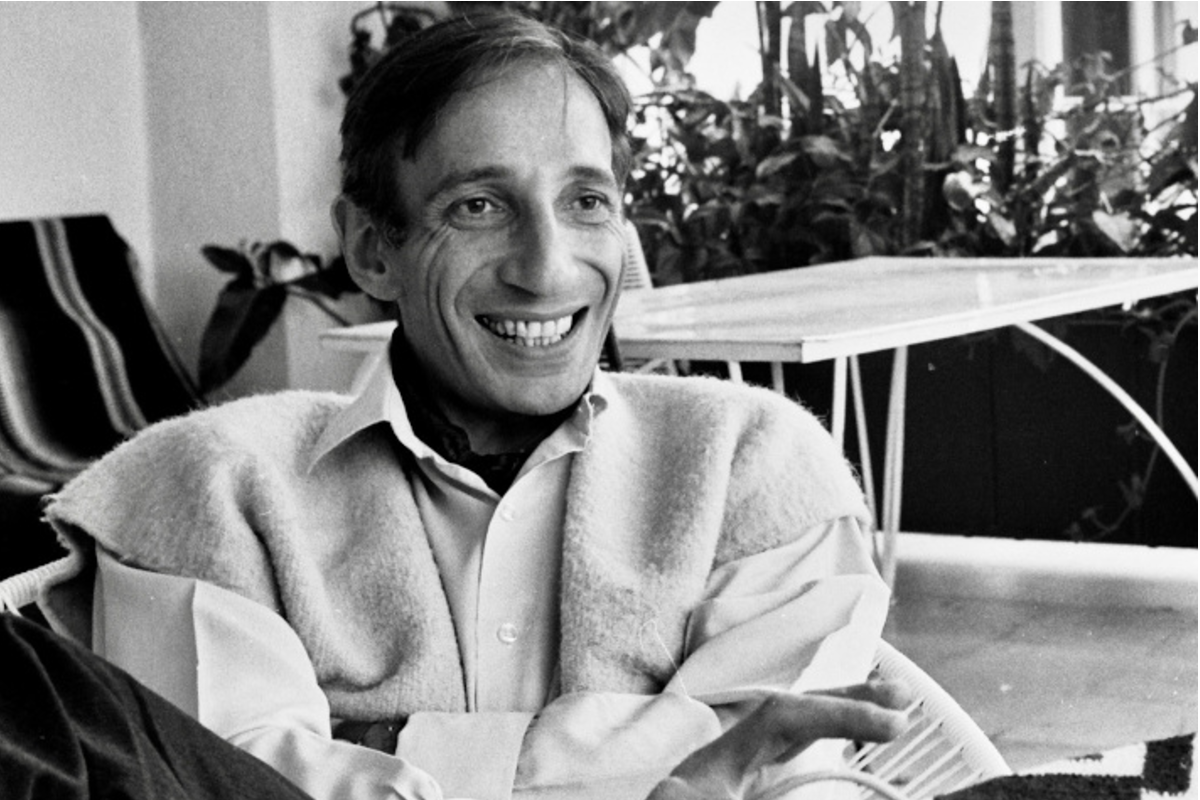
In 1975 Julio Martínez, director of public works for the state of Baja California, invited Alexander to Mexicali to talk about the Center. By Andrea Torreblanca’s account Alexander proposed building instead, and the state agreed. Contracts followed in the Center’s archive: professional services with the Universidad Autónoma de Baja California on 30 August 1975, a general agreement on 13 September among the Center, the state social-security institute ISSSTECALI, the state real-estate agency, the state government and the university, and a land loan on 9 February 1976. Martínez reappears as a co-author, with Howard Davis and Donald Corner, of the book that records it, The Production of Houses (1985). The plan was thirty low-cost houses at about $3,500 each. Five were built, for families who had answered an ISSSTECALI announcement: government employees earning no more than 5,000 pesos a month, married, with at least two children, owning no house, and willing to give their free time and labour.
The method was the book’s, performed on a plot of dirt. Starting from two patterns, Common Land and House Cluster, the families and the Center’s staff laid out the cluster themselves with stakes, blocks and chalk lines, and each house, about 60 square metres, was designed with its family while it stood marked out on the ground. Alexander worked as what he called an architect-builder: the Center managed construction directly, made design decisions on site, and held the budget and the subcontractors, so that its archive compares estimated, extra and actual costs for five houses across 24 operations. A builders’ yard across the street held tools, prototypes and the communal meals. The walls were earth-cement interlocking blocks pressed on site in four shapes with an imported Italian machine, the roofs basket vaults of wooden strips and chicken wire under pumice concrete, and the colour took two weeks of trials until the whitewash, faintly tinged with green, looked right.
Accounts of the ending disagree on dates. The houses were finished in 1976 according to Torreblanca and in 1977 according to the Center’s archive; the Center’s own project page says 1987, which the contracts contradict. They agree that the other twenty-five were never built. Torreblanca writes that the authorities found the process slow and the handmade houses not “new”, and abandoned it. Later critics read the site harder. Felipe Orensanz and Alejandro Peimbert report that the common land Alexander’s team had “played a major role in defining” was split into five private backyards, that the vaults made adding a storey hard (the Reyes family built a metal frame around their house), and that the experimental blocks did not match the materials sold locally. They call the eligibility rules “nonnegotiable”, argue that Alexander’s alternative to state and market housing was itself a hierarchical “new social system”, and say he treated Mexicali as a wasteland instead of a place with its own building knowledge. Reyner Banham’s 1986 review suspected “some hidden agenda over and above the provision of better housing for urban Mexicans”, and found it in “the care for beauty.” The builders’ yard, El Sitio, still stands, and Torreblanca (2023) says it is now a clinic for the university’s nursing faculty.