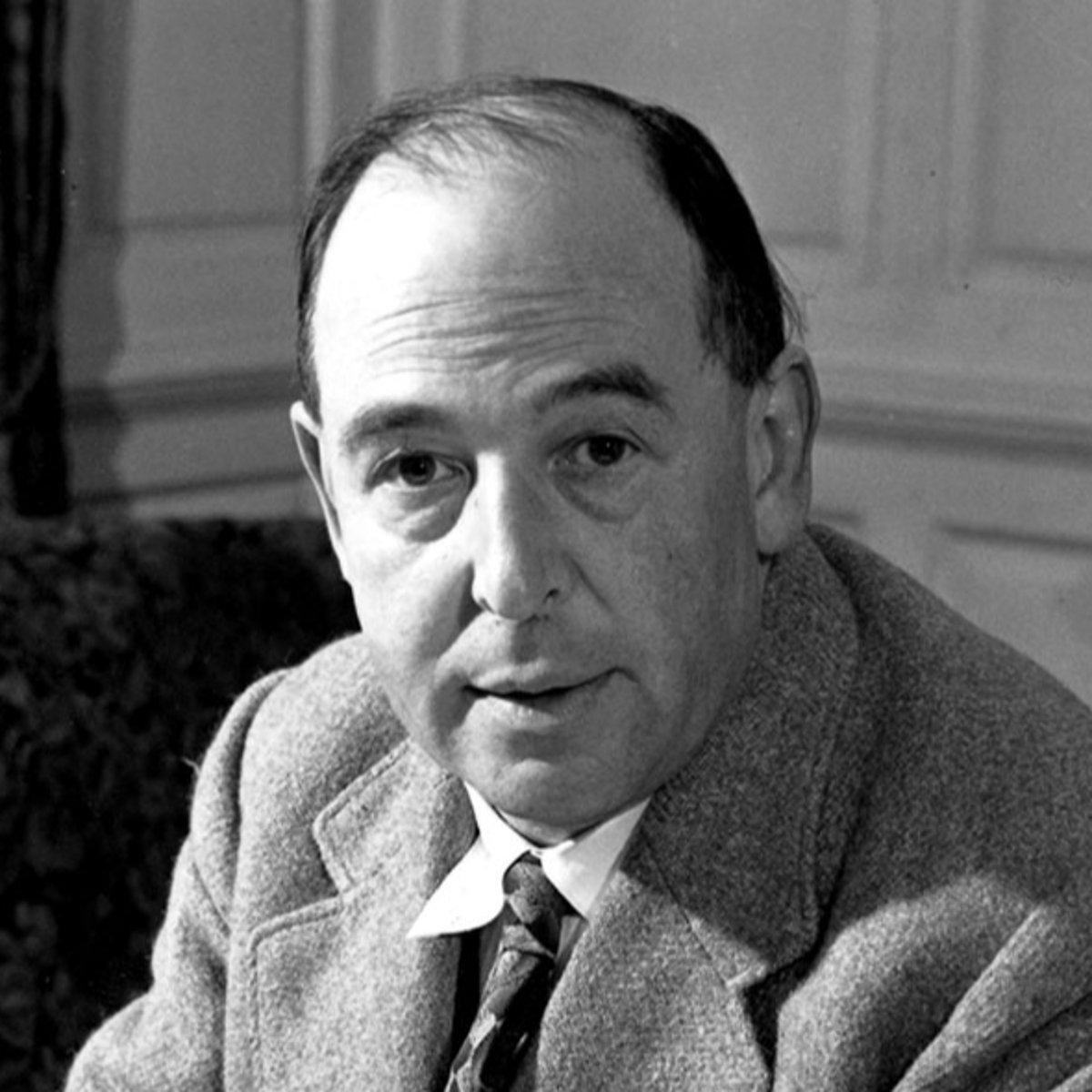
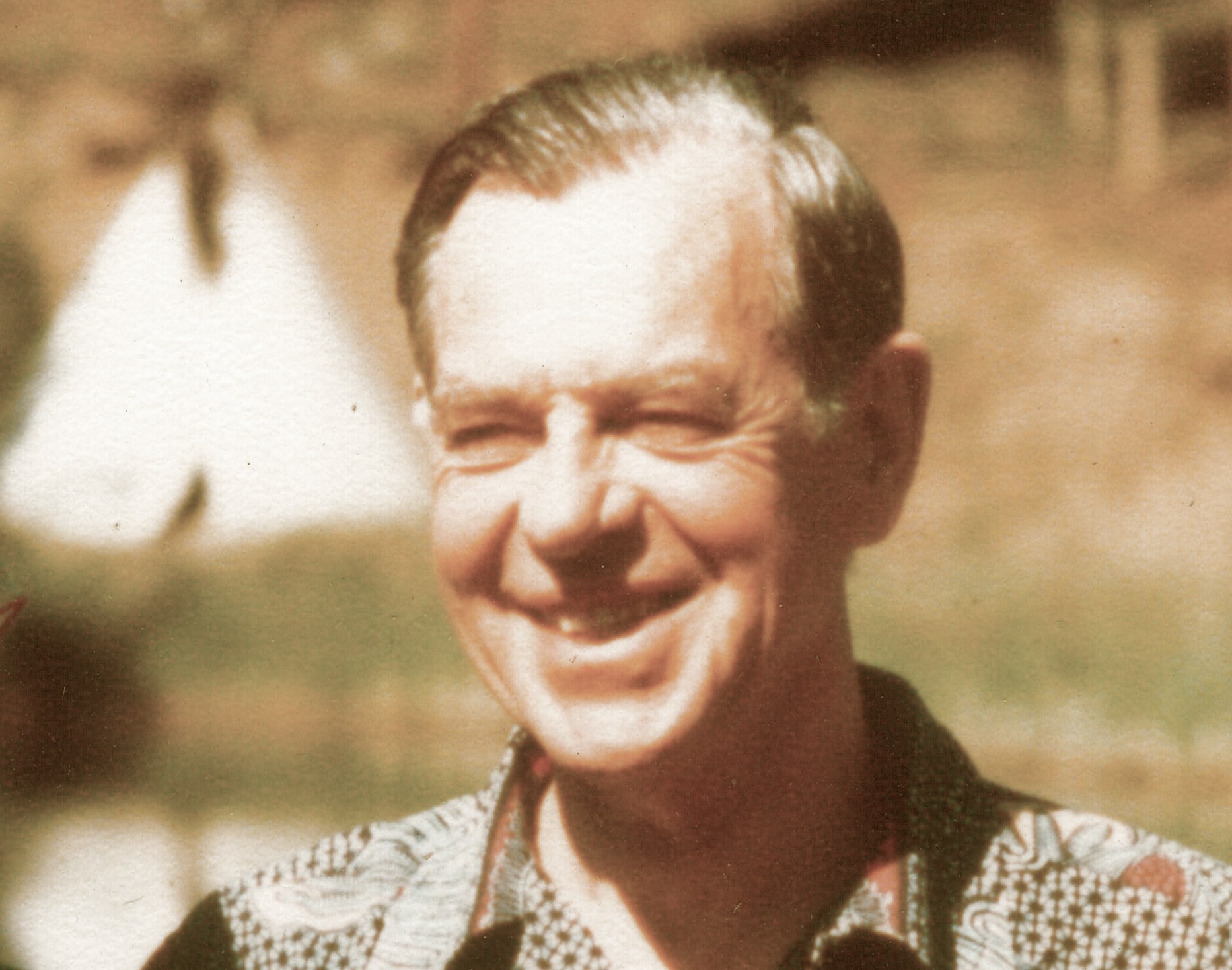
Portrait of C. S. Lewis.

C. S. Lewis

Apologist Through the Wardrobe

Wounded at Arras, he spent decades sharing a house with his dead friend’s mother, left atheism for Christianity, then married Joy Davidman and wrote raw grief under a pen name.

Screwtape
Lets a senior devil coach a junior one in everyday sin.
Wartime Broadcasts
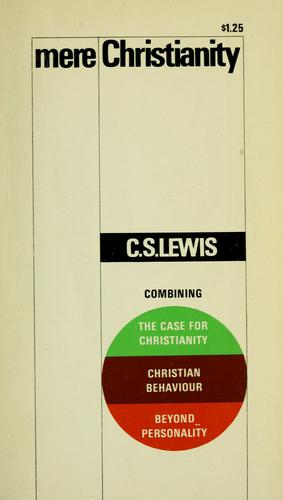
Argues for Christianity live on BBC radio to a country at war.
N. W. Clerk
Publishes his grief under a pen name, doubts and all.

C. S. Lewis

Writer, Literary Scholar & Christian Apologist

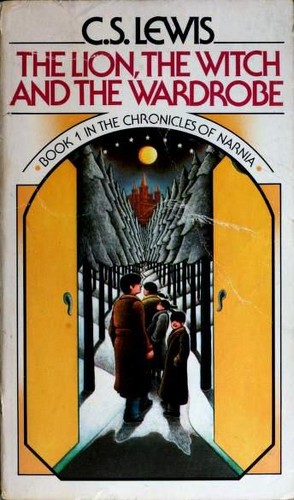
Start hereThe Lion, the Witch and the WardrobeBegin with the first published Narnia story and its winter-bound wood. Then try The Screwtape Letters or Till We Have Faces to see how Lewis changes form and audience.Explore the edition

Lewis’s imaginary worlds and public arguments grew from the same lifelong reading, though they ask different things of us. Enter through Narnia, then follow the Oxford scholar into satire, wartime radio, a more difficult myth and the writing that followed Joy Davidman’s death.

1898–1918

Belfast, loss and war

Clive Staples Lewis was born in Belfast in 1898. He and his older brother Warren—Warnie—filled their childhood with books and the invented country of Boxen. Their mother Flora died when Lewis was nine. Schooling in England followed; later, private study with W. T. Kirkpatrick trained him to answer a claim with reasons. The child’s animal kingdom and the young man’s argumentative habits would both find places in his writing, without making the later books inevitable.

Lewis won an Oxford scholarship, but the First World War interrupted his studies. He reached the front in France in 1917 and was wounded at Arras in 1918. His friend Paddy Moore was killed; after the war Lewis lived for many years with Moore’s mother, Janie, and her daughter Maureen. That household belongs to the story of his adult life as surely as the college rooms do.

University College undergraduates posed in three rows in 1917, with C. S. Lewis standing at the back right.
1925–1931

Scholarship, friendship and conversion

Lewis became a fellow and tutor at Magdalen College, Oxford, in 1925. He taught older English literature and learned to make unfamiliar imaginative worlds legible through their language and conventions. Scholarship remained a daily practice throughout the years of his popular writing.

Friendships with Tolkien, Owen Barfield and other Inklings put his assumptions about imagination and belief under pressure. Lewis moved from atheism to theism in 1929 and to Christianity in 1931; Surprised by Joy later told that story from his own perspective. Read the memoir as a crafted retrospective account, alongside the fiction and criticism, rather than as a key that solves every character.

1954–1963

Cambridge, love and grief

Lewis took the chair of Medieval and Renaissance Literature at Cambridge in 1954 while keeping his Oxford home. There he shared a life with the American writer Joy Davidman, whom he married in 1956. The Wade Center traces her influence in Till We Have Faces and The Four Loves; that credit matters more than treating her as a late episode in his biography. Till We Have Faces retells Cupid and Psyche from the perspective of Orual, whose accusations gradually expose the possessiveness within her love. It asks for slower, less reassuring reading than Narnia.

Davidman died in 1960. In A Grief Observed, first published as N. W. Clerk in 1961, Lewis records questions and reversals that his earlier account of suffering could not settle in advance. The contrast with The Problem of Pain is a worthwhile route into both books: argument and lived grief have different rhythms. He died in 1963. His scholarly work, especially An Experiment in Criticism and the posthumous The Discarded Image, offers another path through the medieval habits of mind that nourished the fiction.

Till We Have FacesLewis’s mature mythic novel, shaped through conversation with Joy Davidman and best read beyond the Narnia doorway.Explore book

Fantasy, argument & criticism

Listen & explore