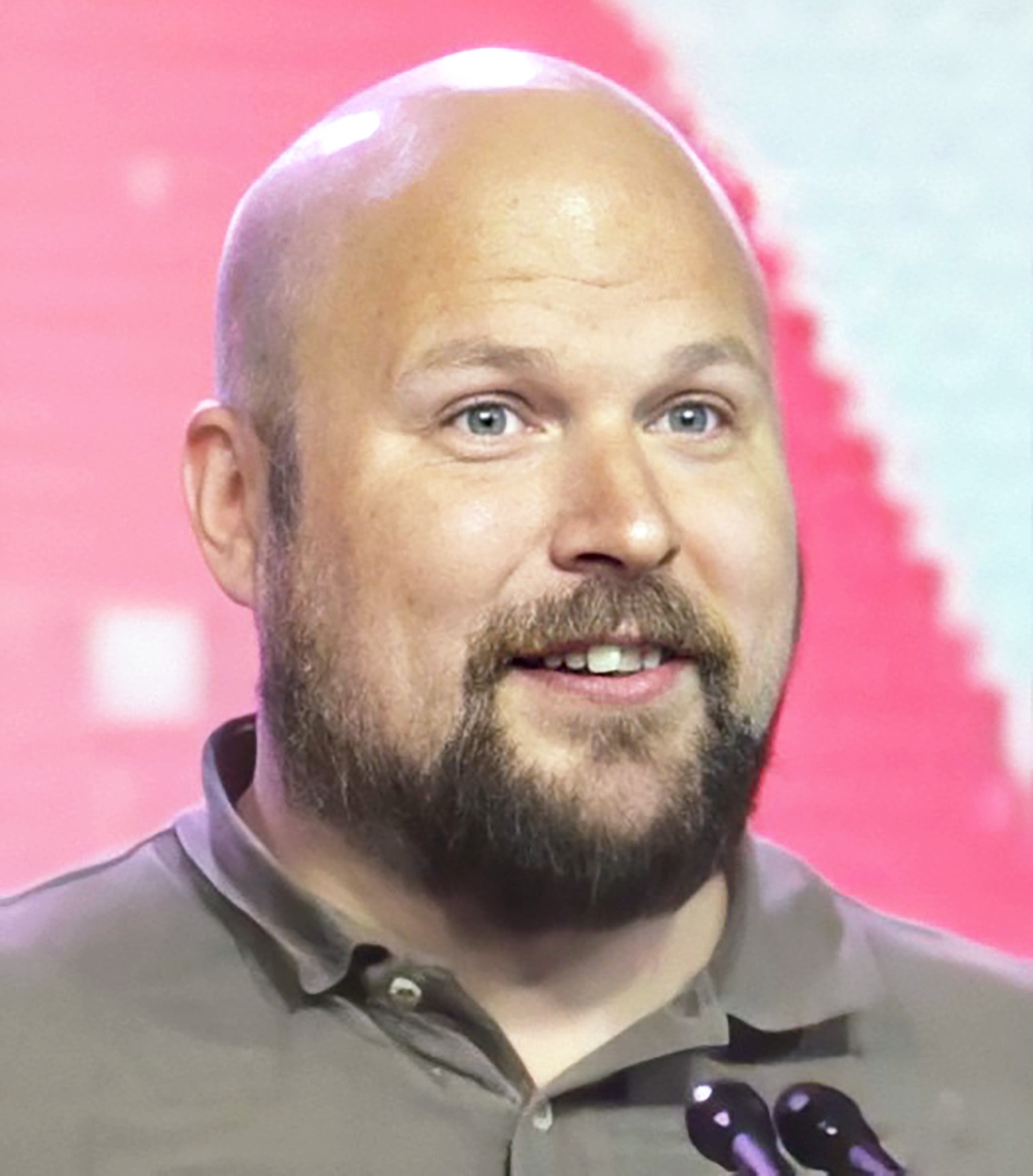
Portrait of Markus Persson.

Markus Persson

Minecraft’s Original Builder

A King browser-game coder who posted a block game to a forum in 2009, sold it unfinished, let players steer it and walked away when Microsoft bought Mojang in 2014.

Forum Alpha
Posts Minecraft 0.0.11a to TIGSource and lets the forum argue.
Paid Unfinished
Sells early access and spends the money building the rest.
Infiniminer Borrow
Takes another game’s blocks and adds survival and nightfall.

Markus Persson

Initiator of Minecraft

Start hereMinecraftInitiated by Markus Persson; developed and expanded by Mojang teamsExplore official project

Markus Persson found Minecraft’s first durable vocabulary—generated blocks that could be explored, removed and recombined—and developed it in public. Its subsequent history belongs to Jens Bergensten, Mojang’s expanding teams and the players who built with and around that vocabulary.

2010-2011

A project becomes a studio

Mojang formed around the growing game with Persson, Carl Manneh and Jakob Porser. Artists, programmers and business staff turned an individual paid alpha into a studio product; Jens Bergensten worked beside Persson for more than a year before Minecraft’s full release in November 2011. In December, Persson handed him the design lead so that he could pursue other projects.

Bergensten described the next task as less about pouring in features and more about engine work that would make mods and servers easier to use. That priority exposes a change in authorship: Persson had established a compact system in public, while Bergensten and successive Mojang teams had to maintain it for incompatible kinds of player—builders, explorers, engineers, fighters and server communities—without defining the sandbox as only one of them.

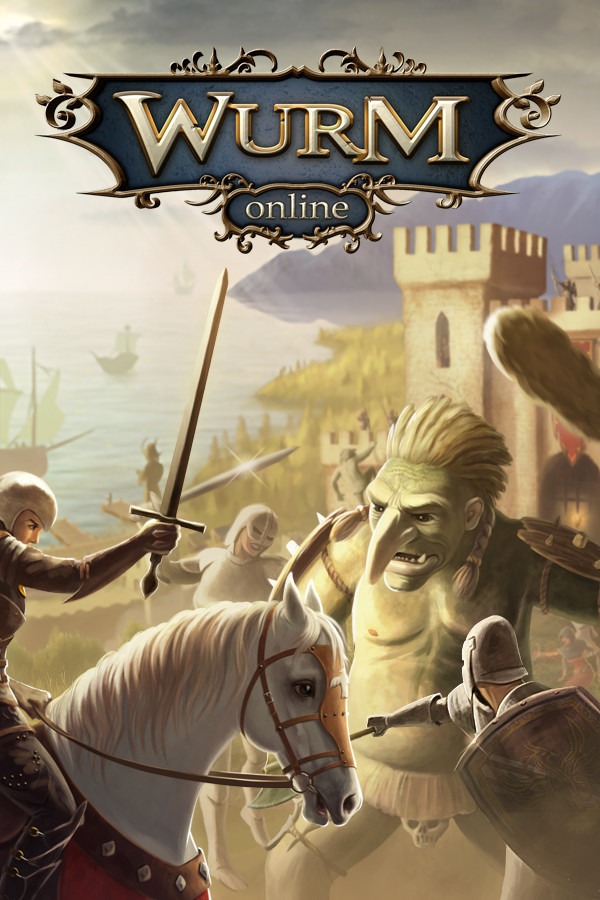
The distinction matters on the shelf. Wurm Online belongs jointly to Persson and Jansson, while Scrolls was a Mojang production led by Porser rather than a second Persson-authored phenomenon. Servers, modifications, videos and shared builds also made the audience an active production culture around Minecraft, not merely a market for it.

2014-present

The world keeps being built

Microsoft acquired Mojang and Minecraft in 2014, and Persson left the company. He has no authorship claim over the many editions, systems, creatures and uses developed after that departure; those belong to Mojang teams and their external collaborators.

The early work nevertheless remains legible inside the much larger game. A player can begin with a crude hut, learn that darkness changes the risks of space, and discover an appetite for architecture, circuitry or collaborative world-building. Start with that survival loop, then compare it with Wurm’s persistent shared terrain and Bergensten’s account of maintaining a sandbox for divergent communities. The useful story is how a strong beginning became separable from its initiator.

Mojang acquisitionMicrosoft’s 2014 purchase ends Persson’s development role and begins a distinct history belonging to Mojang’s continuing teams.Read announcement

Major games and software projects

  • 2009 · Initiated by Markus Persson; developed and expanded by Mojang teams

    Minecraft

    Explore & play

    About this object

    Xbox 360 DVD-ROM · later console edition. A Dæmon display study using artwork from the work, rather than a reproduction of its retail label. A physical edition of this work is represented. The printed face uses existing work artwork as an interpretation, rather than claiming to reproduce that edition’s original label. Represents the later Xbox 360 retail disc developed by 4J Studios with Mojang. Minecraft began as a downloadable computer project in 2009.

    Artwork source · Physical edition

  • 2006 · Co-created by Rolf Jansson and Markus Persson; continued by Code Club teams

    Wurm Online

    Explore & play

  • 2014 · Mojang team led by Jakob Porser; Persson was not sole creator

    Scrolls

    Explore & play

Company history