Penguin Village, and an editor drawn as a villain
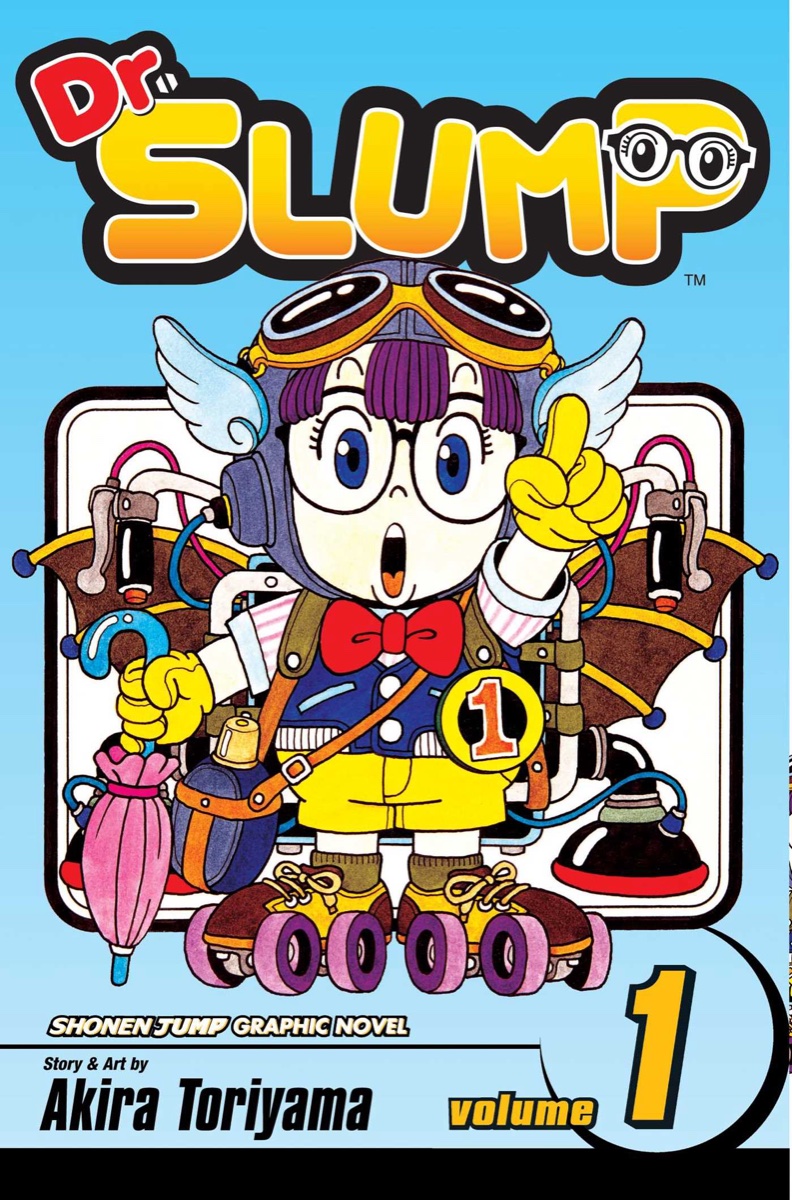
Dr. Slump ran in Weekly Shōnen Jump from 1980 to 1984. A lecherous, hapless inventor, Senbei Norimaki, builds Arale, a small, bespectacled and absurdly strong robot girl, and the village around them fills with talking animals, aliens, Godzilla and Star Wars parodies, puns, sex jokes and a famous running gag about poop. It won the 1981 Shogakukan Manga Award; a Fuji TV anime began the same year, and adaptations of Toriyama’s work held that Wednesday 7 p.m. slot for eighteen years. He put real people into the strip — his assistants, his wife, his colleagues — and, most memorably, Torishima himself as the mad scientist Dr. Mashirito, villain of the series, whose catchphrase is the editor’s word: rejected.
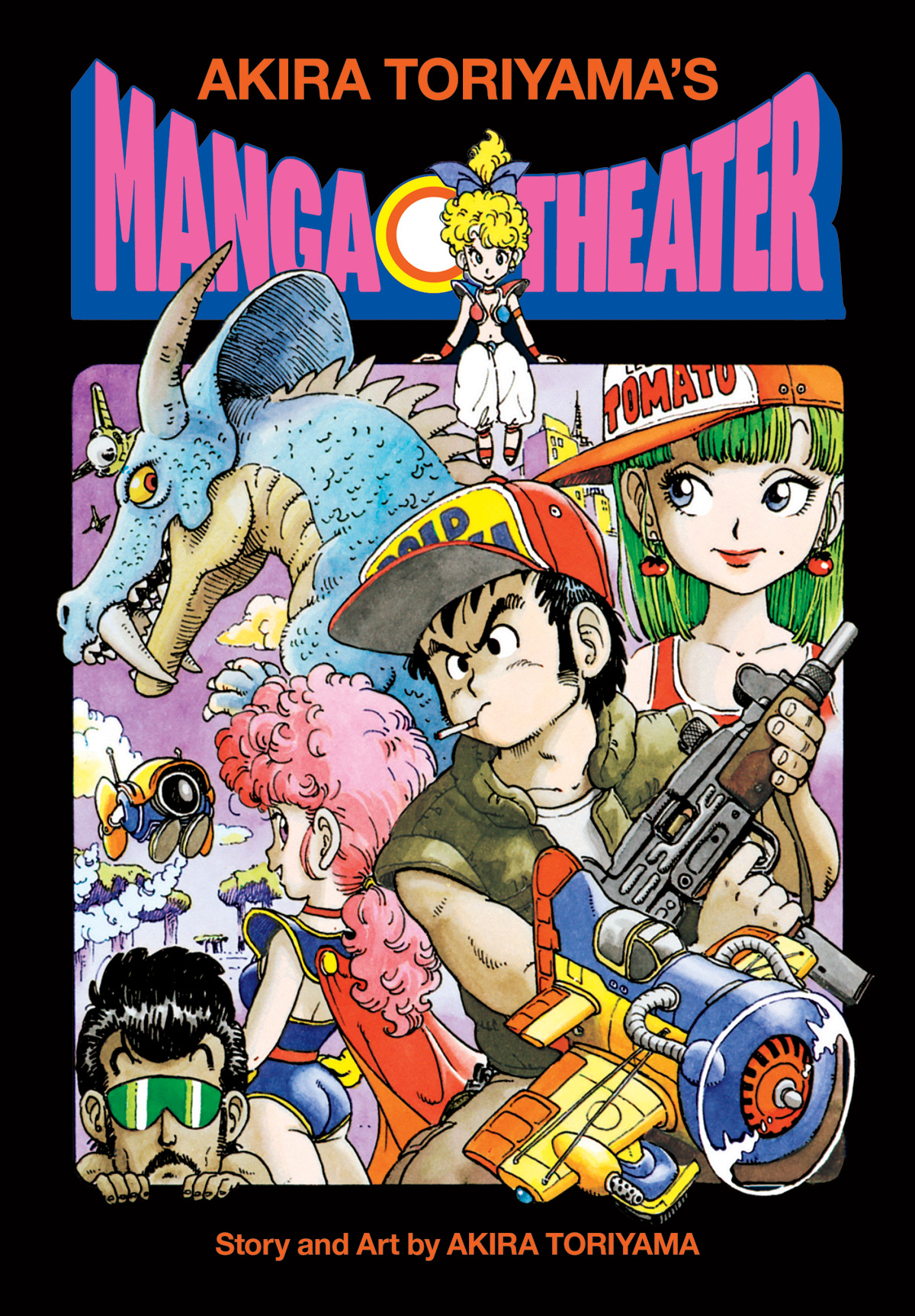
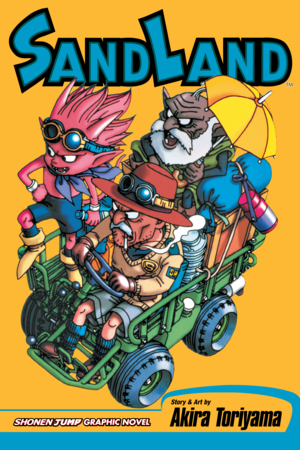
Success was not freedom. Toriyama wanted to end Dr. Slump about six months in; Shueisha would let him finish only if he promised another serial soon after. So with Torishima he cranked out one-shots between weekly chapters. Pola & Roid won Jump’s 1981 reader’s-choice contest; Pink (1982) follows a girl who steals water to survive in a drought-stricken land — a premise he would return to in Sand Land. With Akira Sakuma he also ran Hetappi Manga Kenkyūjo in Fresh Jump (1982–1984), a comic course in which his robot stand-in, Tori-bot, teaches drawing, inking, panel framing, sound effects and how to keep a story brief and clear, and marks up amateurs’ pages for losing the reader. He married Yoshimi Katō, a Nagoya manga artist who drew as Nachi Mikami, on 2 May 1982; she sometimes helped him and his assistant, who mainly drew backgrounds, when deadlines ran short. He worked from a home studio in Kiyosu called Bird Studio — tori means bird — avoided cameras, and stood in for himself in his comics with a little robot.